

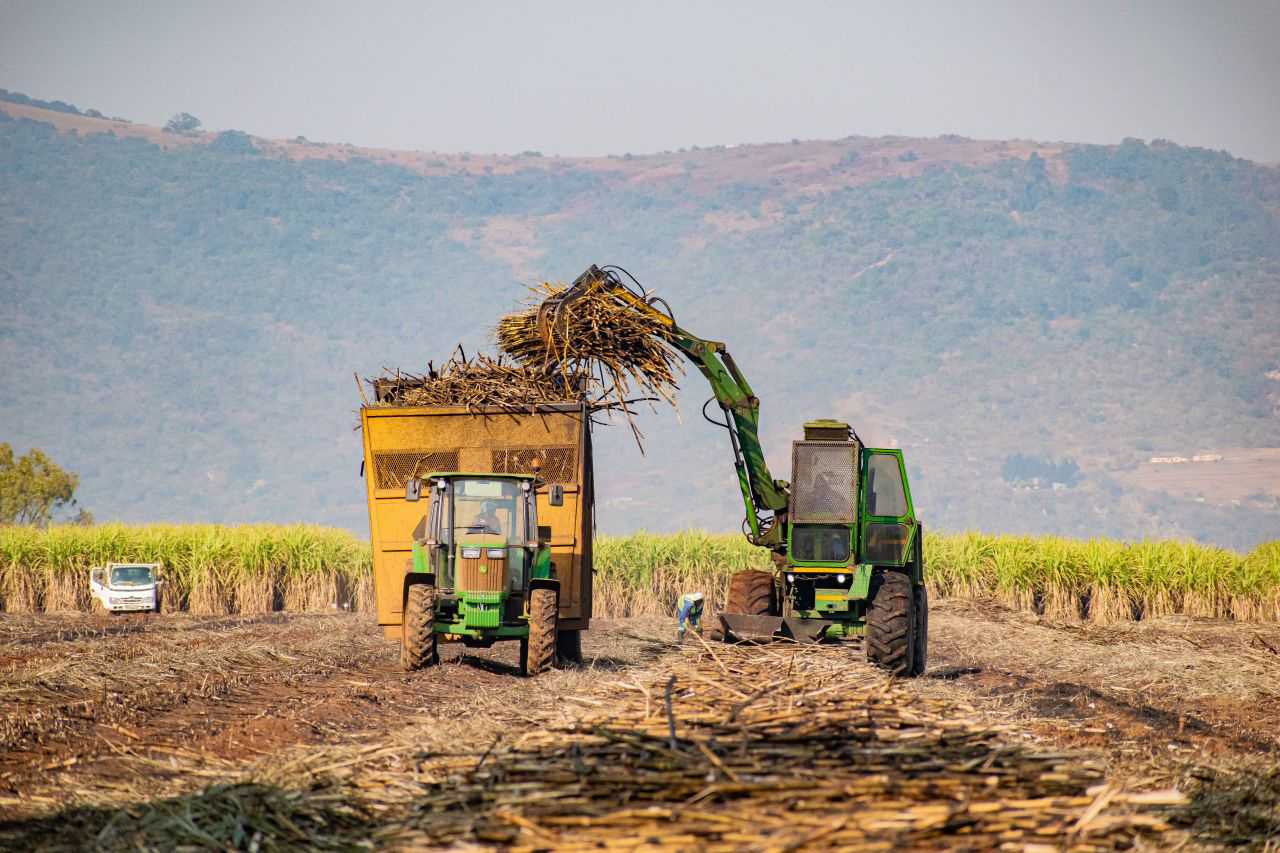
MBABANE – Payments to sugar cane growers in Eswatini are higher than in most of the other countries assessed in a regional sugar industry study.
This places the kingdom alongside Mauritius and Zimbabwe as one of the markets where farmers receive stronger returns from the value chain.
The findings are contained in the annual report of the COMESA Competition and Consumer Commission (CCCC) for 2025 released last week, which reviewed the sugar sectors of Eswatini, Kenya, Malawi, Mauritius, Zambia and Zimbabwe in collaboration with the Centre for Competition, Regulation and Economic Development (CCRED).
The study examined the structure of the sugar industry, pricing, regulation, competition and the distribution of proceeds between growers and millers.
The report found that payments to growers were higher in Mauritius and Eswatini than in the other countries assessed. However, the study also shows that the percentage of proceeds allocated to growers varies considerably across the region, with Mauritius recording 78 per cent, Zimbabwe 77 per cent and Eswatini about 68 per cent, compared with 63 percent in Kenya and 60 per cent in both Malawi and Zambia.
In Eswatini, the sugar cane pricing and revenue-sharing system is structured around the distribution of returns between growers and millers after milling and related costs have been taken into account.
According to the study, 68.1 per cent of the proceeds goes to growers, while 31.9 per cent goes to millers. Small-scale farmers make up 93 per cent of the active grower base and contribute approximately 29 per cent of total cane harvested.
For the year 2025/26, the local sugar industry generated E8 billion in revenue, but out of that E6.7 billion was the distributable revenues shared by the growers and the millers.
The payment system also provides growers with an element of cash-flow protection during the production cycle. Farmers receive 70 per cent of their payments upfront when the cane is delivered, while the remaining 30 per cent is paid after the sugar has been sold and operational costs have been deducted.
Sugar pricing is forecast several times during the season to accommodate changes in market conditions, while payments are made weekly.
The study says payments are calibrated using independent sucrose testing, linking the returns received by growers to the quality and recoverable sugar content of the cane delivered.
Despite the relatively favourable grower share, the study records concerns within Eswatini’s industry about whether the existing division of proceeds should be reviewed.
Growers have argued that their contribution has increased and, in some cases, surpassed that of miller-owned plantings. There are also concerns that growers are compensated primarily for sugar while the cane produces valuable by-products such as bagasse and molasses, which can support products including ethanol and electricity.
The report says the industry is developing a funding model under which a portion of earnings could be retained for quarterly disbursements.
The objective is to stabilise grower income and reduce reliance on external finance. The ESA is also exploring a revolving fund to supply production inputs to about 2 900 smallholder growers.
The regional comparison highlights significant differences in how growers and millers share value. In Zimbabwe, the prevailing Division of Proceeds model gives 77 per cent to growers and 23 per cent to millers. Growers can operate under Cane Purchase Agreements, where a fixed price is paid, or Cane Milling Agreements, under which payments are made monthly based on forecast mill-door prices while growers retain ownership of their cane until the sugar is sold.
Mauritius has the highest grower share among the six countries assessed, at 78 per cent of sugar produced.
Its growers are also able to receive payments from by-products including molasses and bagasse. Payments are channelled through the Mauritius Sugar Syndicate, which is responsible for the marketing and export of sugar.
In Malawi, growers supplying Illovo Sugar Malawi receive 60 per cent of the revenue from sugar sales. The study notes that there are no proceeds from by-products for growers. Payments depend on estimated recoverable sucrose, the tonnes of cane supplied and the prevailing market sugar price.
A similar 60 per cent grower share applies in Zambia, where Zambia Sugar is the main miller with independent grower supply agreements.
The study notes that growers do not receive proceeds from by-products under the arrangements examined. Kenya’s grower share is recorded at 63 per cent.


















Leave a comment