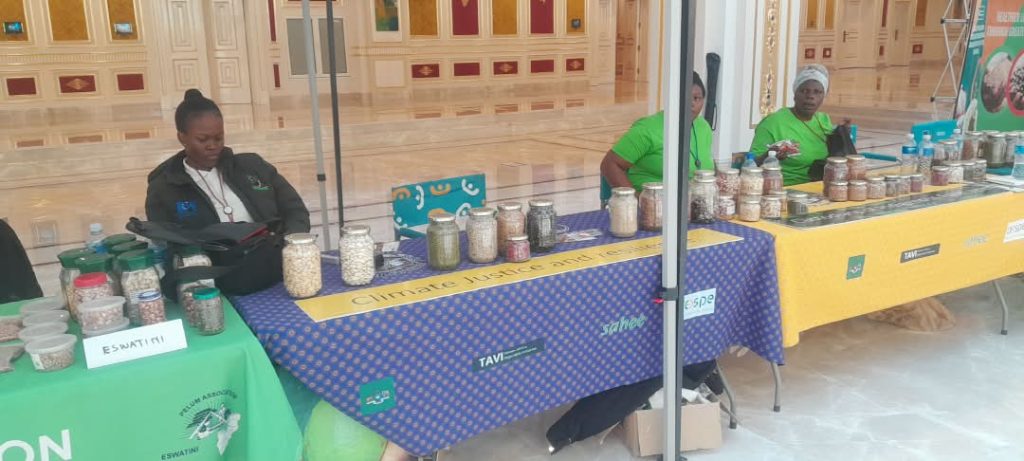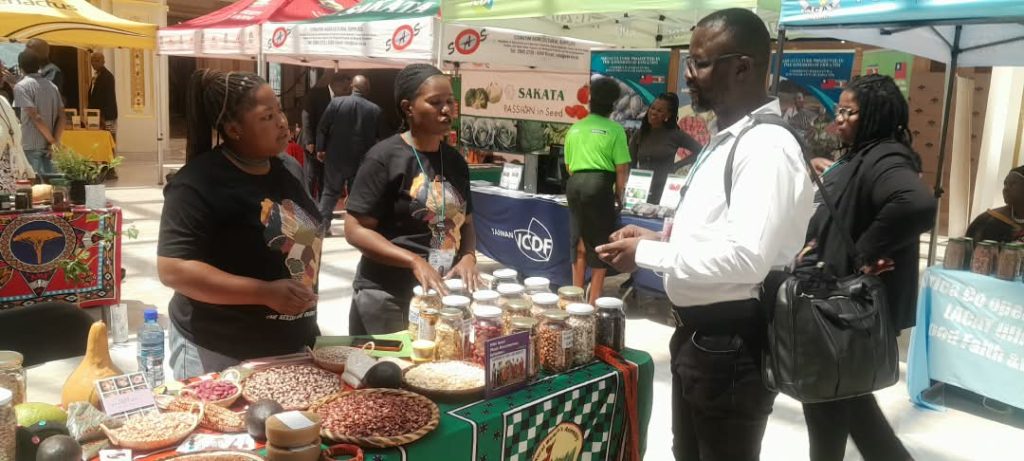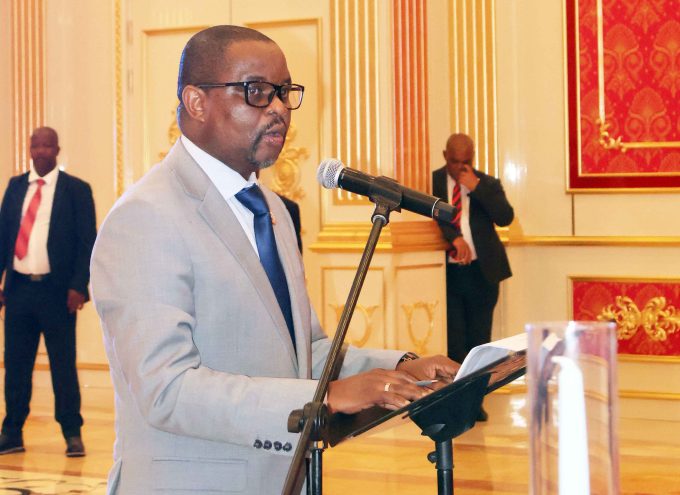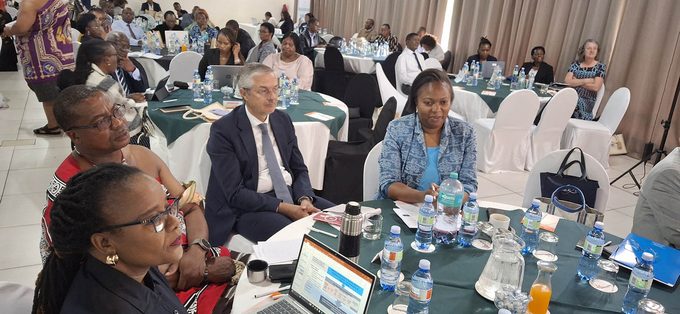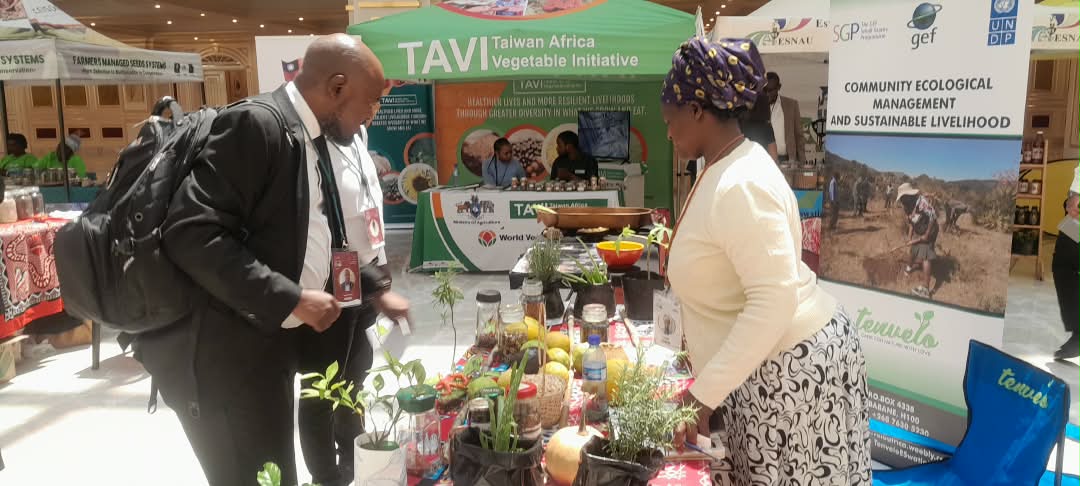
EZULWINI — Delegates attending the African Union Inaugural Seed Investment Summit currently underway at the Ezulwini Palazzo Convention Centre were taken on an inspiring tour of various exhibition stalls highlighting indigenous and climate-resilient crop varieties alongside innovative food processing initiatives.
The exhibition, held on the sidelines of the landmark three-day summit hosted by the Government of Eswatini in collaboration with the African Union Commission, provides a tangible look at how local research and agro-processing can transform continental food systems.
Exhibitors showcased a broad variety of high-quality seeds tailored for changing climatic conditions. Prominently featured across the stalls were certified seed strains of staple crops like maize, side by side with nutrient-dense indigenous crops such as imbuya, and indigenous legumes.
Delegates engaged directly with seed breeders, local farming cooperatives, and agricultural researchers who explained how these improved traditional and hybrid crop varieties support smallholder farmers against drought and pests.
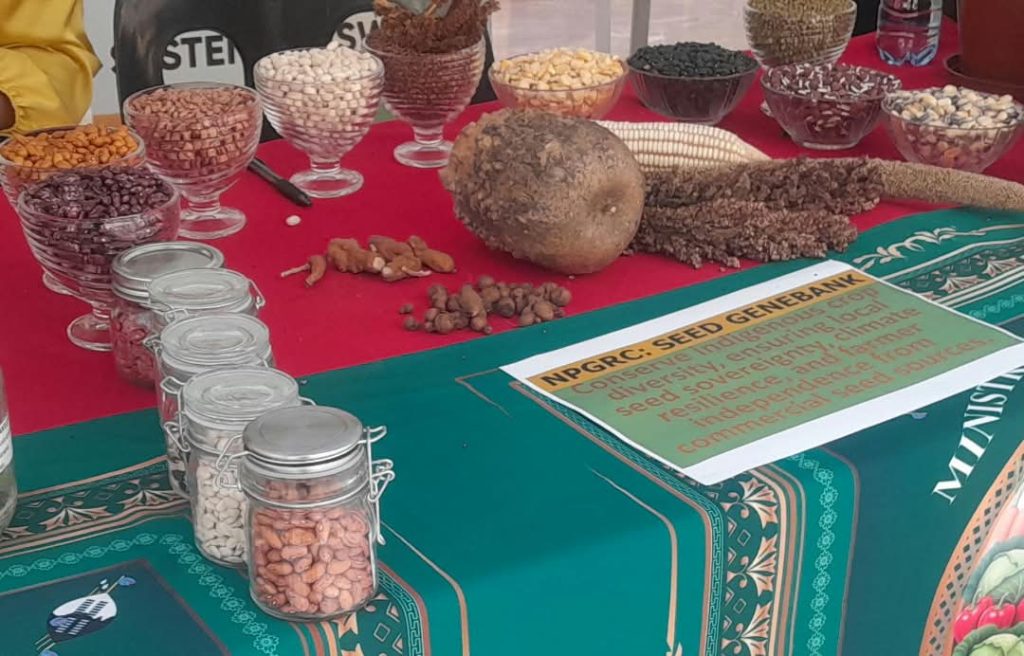
”Seeing imbuya and other traditional crops given equal prominence with staple maize shows a crucial shift toward crop diversification. Resilient seed varieties are the baseline for Africa’s future food sovereignty,” said one delagate Yusuf Mangera.
A major highlight of the stall tours was the value-addition and agro-processing section, where exhibitors demonstrated how post-harvest technology can create new commercial products.
Delegates were introduced to novel processed foods, most notably pulse-based innovations such as beans processed into sweet and savory jams, bean-based pastes, and composite flours. Exhibitors explained that converting legumes into shelf-stable goods like jam not only reduces post-harvest losses but also introduces nutritious options into local markets.
The interactive sessions allowed participants to taste and evaluate the processed products, illustrating how local agricultural produce can move beyond raw consumption into commercial food manufacturing.
The exhibition forms a critical practical component of the AU Inaugural Seed Investment Summit (October 5–7, 2026). Theme-centered on building resilient seed systems for a food-secure continent, the summit convenes agricultural ministers, policy makers, researchers, and private-sector investors across Africa.