MBABANE – There are ongoing reported fraud cases at EEC.
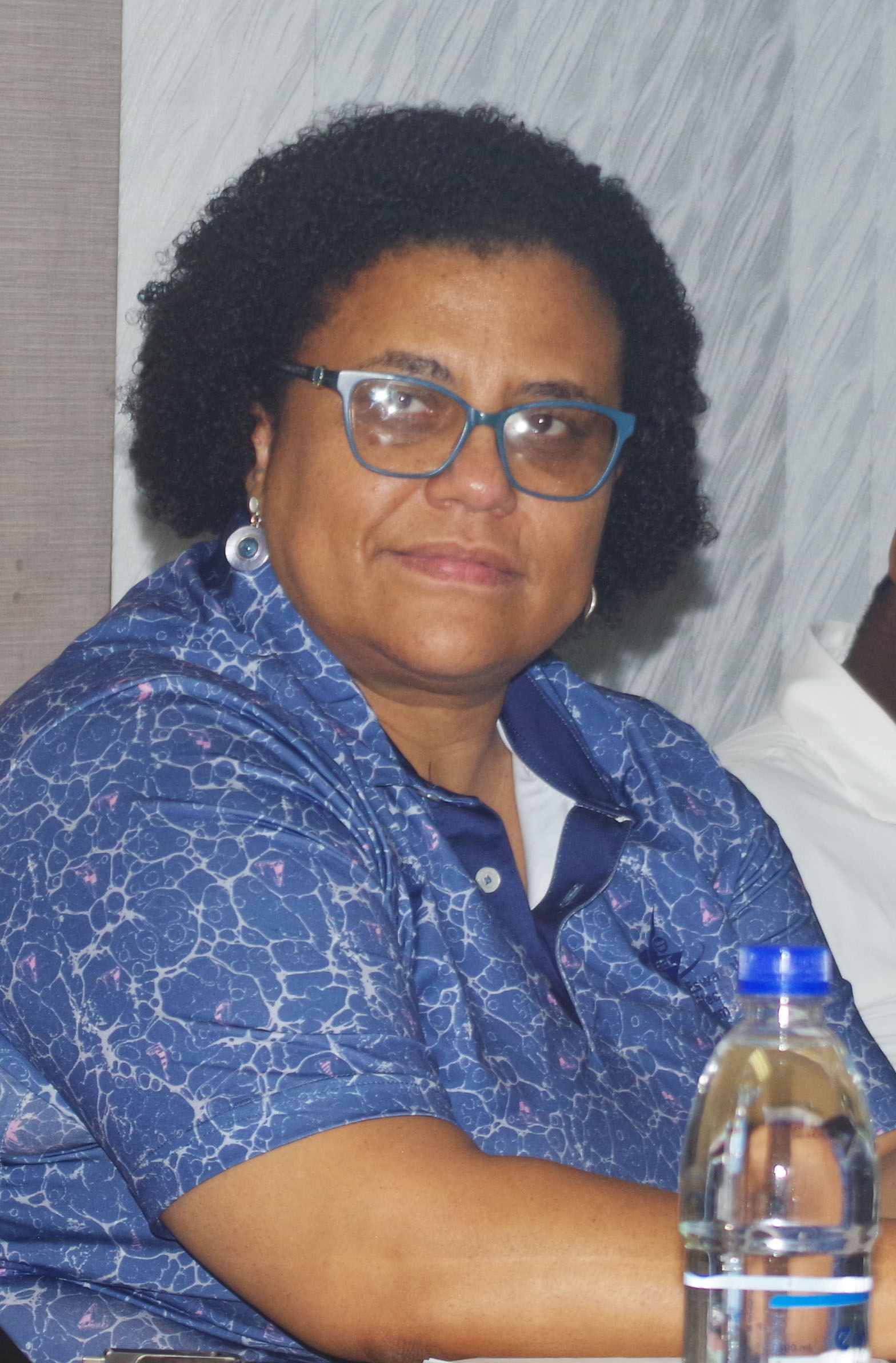
Acting Managing Director (MD) Candy Stromvig made this revelation yesterday at Thokoza Centre in Mbabane during an ongoing consultative exercise over a proposed electricity tariff hike by Eswatini Electricity Company (EEC)
Responding to a question regarding what was being done about fraud, Stromvig revealed that the company was in fact working on cases which she was aware of.
She also revealed that, as a result, there were disciplinary issues being undertaken over the same.
It was also mentioned that one of the fraud cases involved a retail outlet in the city.
On the other hand, it was revealed that EEC was spending millions of Emalangeni on overtime.
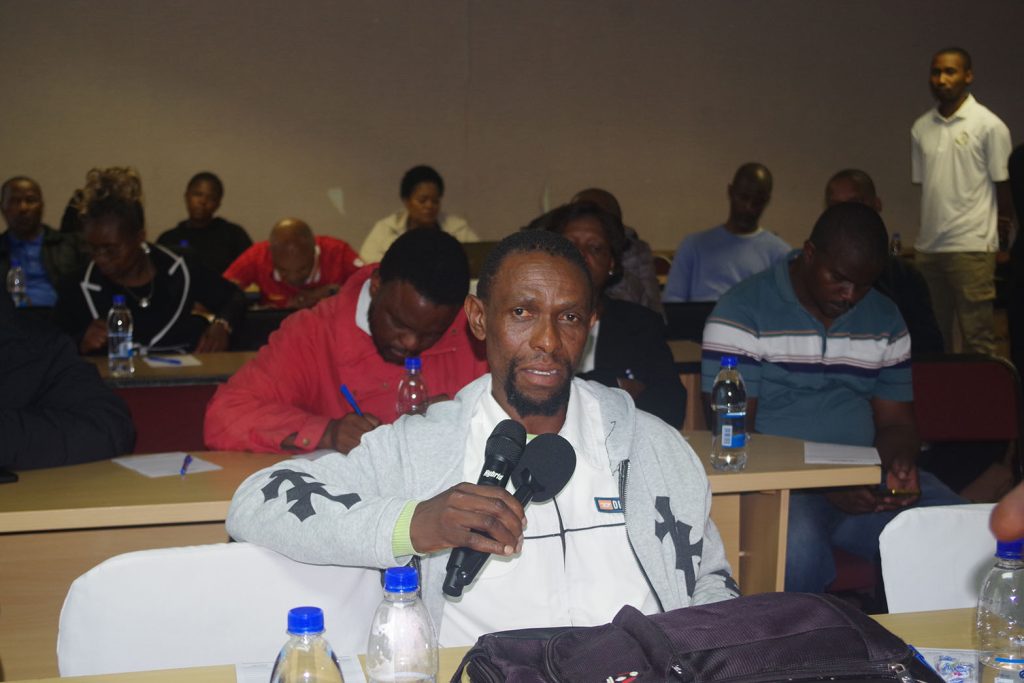
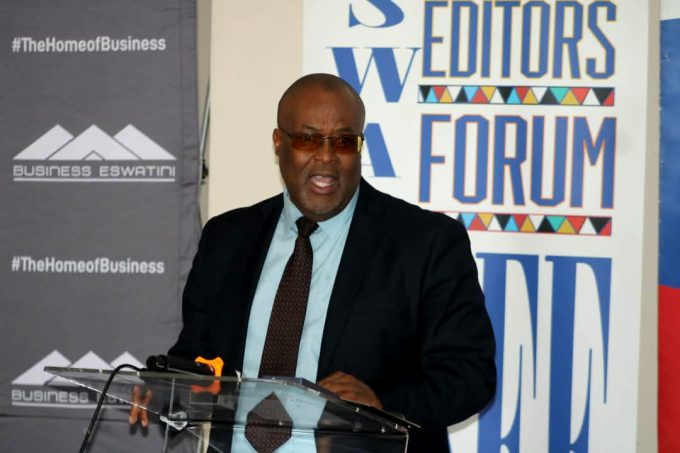
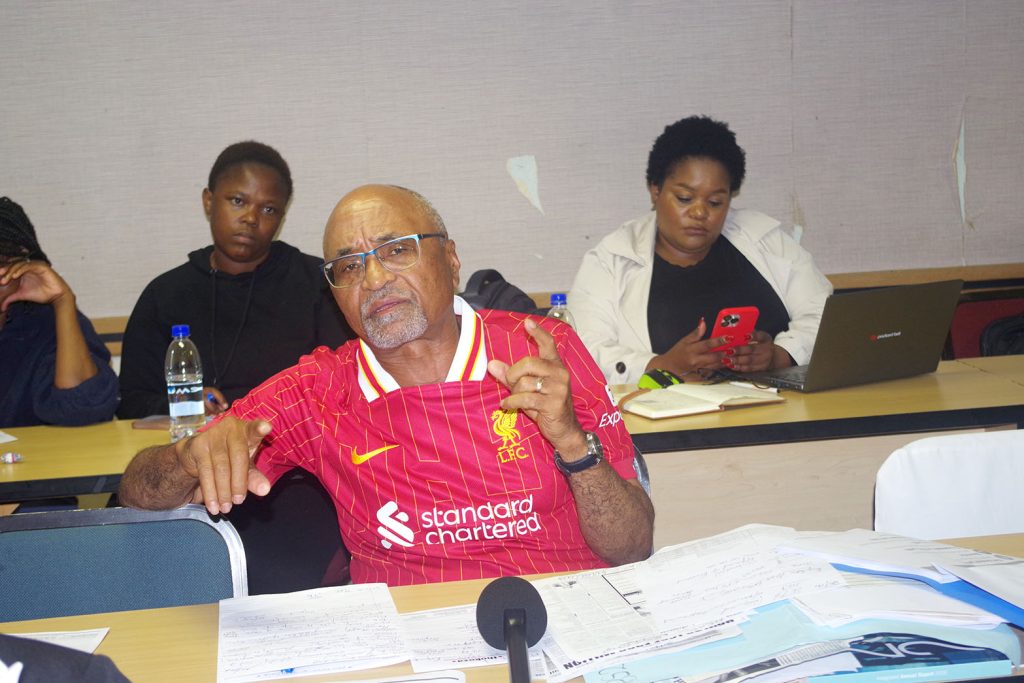
This is one of the concerns that was raised by businessman Walter Bennett. He questioned ESERA on what it was doing about this since the electricity company was still spending more on overtime.
In response, EEC stated that they have taken measures to reduce overtime costs. According to Mphumuzi Maziya, one of the major causes of overtime is emergencies, which can arise even during storms.
To reduce this, Maziya said the company was doing maintenance of their infrastructure even before emergencies arise.
In this way, he said such work ethic reduces the cost of overtime.
Also, EEC revealed yesterday that in some parts of the country, they have begun using underground cables. The areas where underground cables are present include Mbabane, Manzini and Siteki.
Bennett asks: Why consult if govt will change decisions?
MBABANE – Businessman Walter Bennett has questioned the purpose of public consultations conducted by the Eswatini Energy Regulatory Authority (ESERA) if government can subsequently interfere with decisions made by the regulator, particularly on electricity tariff increases.
Bennett said it was not right for ESERA to conduct consultations, consider submissions from stakeholders and make decisions on proposed tariff adjustments, only for government to intervene and change the outcome.
He argued that such interventions undermined the purpose of having an independent regulatory authority responsible for overseeing the energy sector.
Bennett was speaking during the electricity tariff hike consultations conducted by ESERA at the Thokoza Centre in Mbabane yesterday.
The businessman questioned why the regulator would invite members of the public and other stakeholders to participate in consultations if the decisions reached could later be altered by government.
He maintained that once ESERA had completed its consultations and agreed on an electricity tariff adjustment, government should allow the regulator’s decision to stand rather than interfere.
Bennett also referred to a previous electricity tariff increase during which government reportedly committed to paying the Eswatini Electricity Company (EEC) on condition that the proposed percentage increase was reduced. He said although the percentage of the increase was subsequently reduced, government did not honour its commitment to pay EEC. According to Bennett, the arrangement raised questions about government’s handling of electricity tariffs and its obligations towards the power utility.
He argued that if government wanted to provide financial assistance to EEC, there should first be a performance contract between the two parties.
He questioned how government could justify giving the company money without clear improvements in its operations and service delivery.
Bennett suggested that financial support should be linked to measurable performance targets to ensure that public funds were being used appropriately.
In response, ESERA explained that its operations included processes through which relevant expertise was obtained. Giving an example of the public consultations, the authority said a consultant was usually available to provide assistance during such processes.
Bennett’s concerns extended beyond the regulator’s independence to the affordability of electricity in the country.
He questioned what measures had been taken to ensure that electricity remained affordable for consumers, arguing that there appeared to be limited progress despite the availability of different options for generating electricity.
He said electricity should be affordable and wanted to know what practical steps were being taken to address the cost of power for consumers.
Bennett’s presentation lasted approximately 40 minutes. At one point, one of the participants left the room for a health break and returned about 10 minutes later, only to find that Bennett was still speaking. The development prompted a light-hearted reaction from one of the residents, who jokingly wondered whether Bennett was still speaking. “Usakhuluma Bennett? He asked.
Meanwhile, other participants at the consultation called for increased efforts to generate electricity locally instead of relying heavily on imports from South Africa (SA). They argued that the country should explore ways of increasing domestic electricity generation to reduce its dependence on external sources.