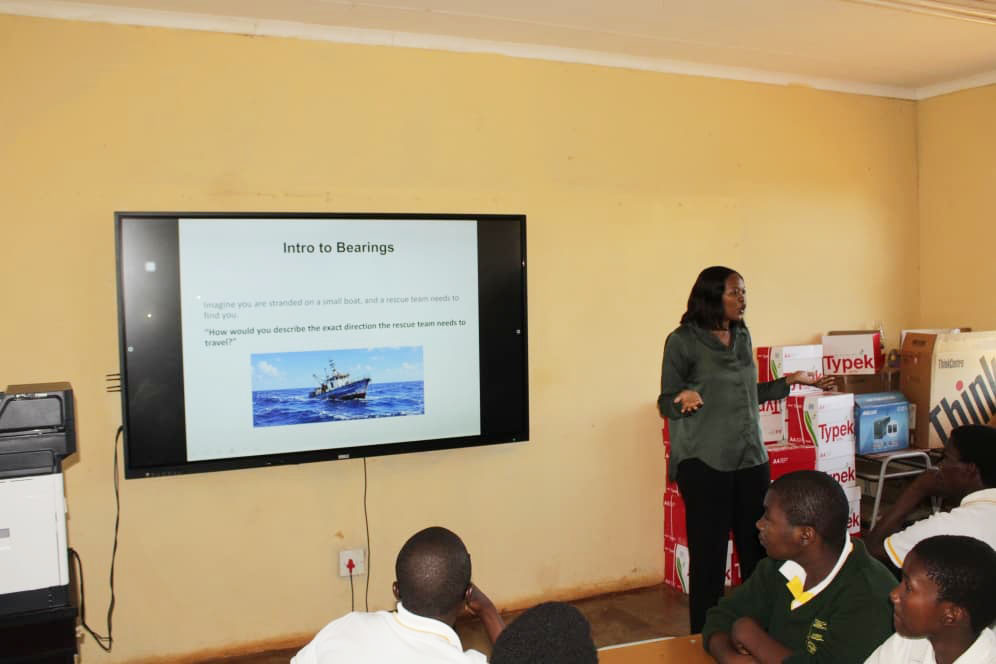
SHEWULA – The number of orphaned and vulnerable children (OVCs) dropping out of Shewula High School has declined from four last year to one this year.
The reduction has been attributed to the World Bank interventions aimed at easing the financial and social challenges that prevent vulnerable learners from completing their education.
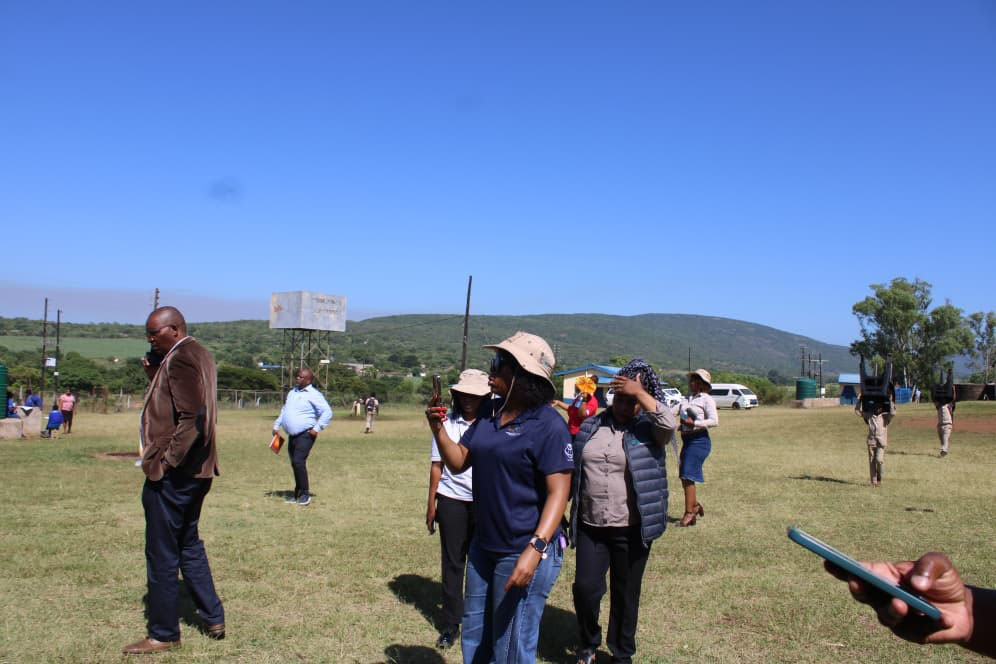
The Ministry of Education and Training and World Bank yesterday took its monitoring exercise to schools in the Lubombo Region to assess the implementation of key education interventions and establish whether learners were benefiting from the programmes.
The World Bank-supported project focuses on early childhood education, literacy, numeracy, mathematics and science, while also addressing learner retention through Boys and Girls Clubs and the OVC Education Grant.
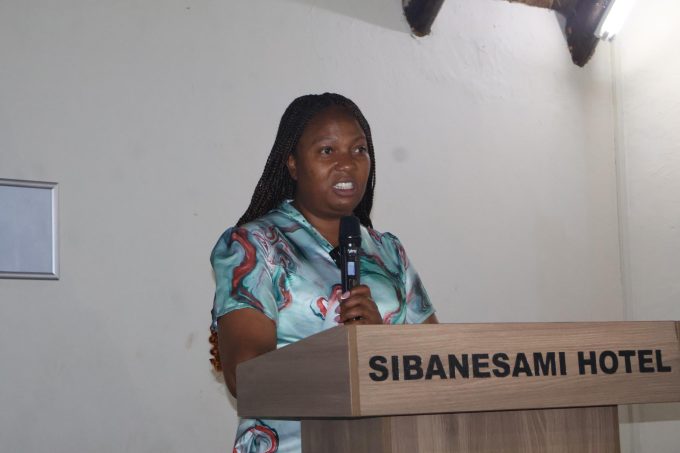
Speaking during the monitoring exercise at Shewula High School, Headteacher Bongani Agreement Magongo said the school had recorded a positive change in the retention of vulnerable learners since the introduction of the intervention.
Magongo revealed that only one OVC learner had dropped out this year, compared with four in the previous year. He said the programme had helped bring some learners back to school after they had previously dropped out because of financial difficulties.
He explained that school fees had been the main reason behind most cases of dropout, adding that the project, which started with learners in Form One last year, had helped some of them return to class.
The headteacher said the school had 265 learners benefiting from the World Bank-supported project, of which 139 were classified as OVCs.
Apart from financial assistance, Magongo said the Boys and Girls Clubs had also contributed to positive behavioural changes among learners.
He explained that some pupils had previously been shy and struggled with various personal and social challenges. However, participation in the clubs had helped improve their confidence and engagement in school activities.
Magongo said other reasons for learners dropping out included teenage pregnancy, personal challenges and negative attitudes towards education.
Giving an example of a learner who dropped out this year, he said the school had attempted to establish contact through telephone calls and follow-ups with the learner’s parents.
However, the learner, who was reportedly around Siphofaneni, indicated that he was not interested in returning to school.
“It appears he has lost interest in school,” Magongo said.
He further reported a decline in absenteeism, explaining that learners were now less likely to miss classes because the intervention provided uniforms and paid their school fees in full.
During the engagement, parent representative Ncobile Nsingwane also expressed appreciation for the support extended to vulnerable children through the OVC Intervention Programme.
Nsingwane highlighted the importance of assistance with school fees and uniforms, saying it helped ease the financial burden on families and enabled children to continue attending school.
Meanwhile, Fezile Khumalo from the Deputy Prime Minister’s Office identified the stagnant OVC Education Grant as one of the major concerns affecting vulnerable learners.
The project’s diagnostic work had identified gaps in grant coverage, inadequate assistance with school-related expenses and delays in the disbursement of funds.
Other factors contributing to school dropout included poverty, adolescent pregnancy, substance abuse and grade repetition.
Feedback presented during the engagement showed that 28 per cent of respondents reported health problems, while 24 per cent faced serious social challenges. Up to 40 per cent of respondents in some areas reportedly lacked access to two meals a day.
The findings further showed that 87 per cent of respondents identified assistance with school fees as a priority, highlighting the extent to which financial difficulties affect learners’ ability to remain in school.