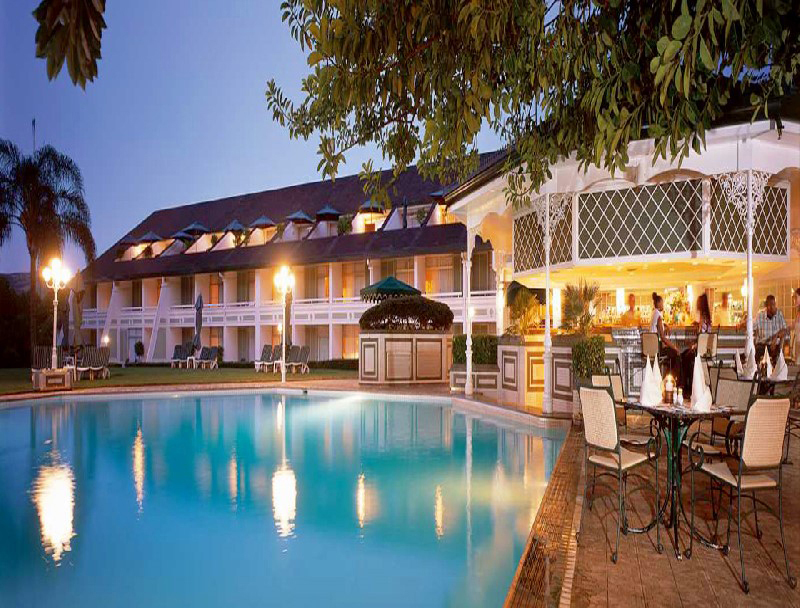
MBABANE – Reversing the sale of properties belonging to the former Royal Swazi Spa could cost emaSwati employment opportunities and deprive the country of tax revenue and other economic benefits, Deputy Master Lindelwa Magagula has warned.
The deputy master argues that undoing transactions involving portions of the properties sold to the Central Bank of Eswatini and Tibiyo TakaNgwane, together with a mortgage payment held by Nedbank, would have consequences beyond the ongoing liquidation dispute.
In a replying affidavit filed in the High Court, the deputy master states that the transactions should not be treated as ordinary commercial dealings that can simply be reversed without considering their wider implications for the country.
She maintains that the developments involving the properties have the potential to benefit emaSwati through employment opportunities, while the country stands to gain from taxes and rates generated through the economic activities associated with them.
Her warning comes amid a protracted legal battle over the liquidation of Swazi Spa Holdings Limited and its subsidiaries, which includes the former Royal Swazi Spa, with the position of co-liquidator Paul Mulindwa at the centre of the latest dispute.
The master of the High Court and attorney general have approached the court seeking to prevent Sun International Management Limited, Nedbank Swaziland Limited and the Eswatini National Provident Fund (ENPF) from interfering with the liquidation process while an appeal against a previous judgment remains pending.
In her affidavit, Magagula questions why the respondents want the property transactions and related arrangements reversed when, in her view, doing so could undermine economic opportunities for the country. Magagula specifically takes issue with the respondents’ position regarding the sale of portions of the land to the Central Bank and Tibiyo.
She argues that setting aside these transactions, together with the mortgage payment held by Nedbank, would deprive emaSwati of employment opportunities and the country of revenue through taxes and rates.
The deputy master maintains that the consequences of reversing the transactions should be considered in the context of the economic activities that the developments could generate.

Although Magagula warns of the potential economic consequences, she does not quantify the number of jobs that could be lost or the amount of tax revenue that could be affected if the transactions were reversed. Her argument, however, places the national economic implications of the liquidation dispute before the court, rather than limiting the matter to disagreements between the parties over the appointment of a co-liquidator.
The transactions involving the Central Bank and Tibiyo are among the developments that Mulindwa participated in during his time as co-liquidator.
Magagula identifies the sale of portions of the companies’ land to the two entities as part of the work undertaken by Mulindwa in administering the liquidation. She also mentions the maintenance of the golf course and its opening to international golf tournaments, arguing that these activities should not simply be disregarded.
The deputy master also raises questions about millions of Emalangeni allegedly paid by Tibiyo TakaNgwane in connection with shares sold to the organisation. She alleges that Sun International has not returned the money paid by Tibiyo, despite the respondents disputing liquidation accounts which provide for substantial payments to them.
Magagula questions why the respondents are challenging the liquidation accounts without tendering payments they have already received. She describes their position as confusing, particularly because they are also seeking to have transactions involving the properties and the mortgage payment held by Nedbank set aside.
Magagula also places the interests of individual creditors at the centre of her opposition to the respondents’ position.
She states that more than 370 individual creditors, whose names appear in documents attached to the founding affidavit, did not oppose Mulindwa’s appointment as co-liquidator.
She argues that their position is important because the liquidation process affects numerous creditors whose claims have to be assessed and administered.
The deputy master further identifies activities undertaken by Mulindwa, including participating in the approval of ENPF’s claim, approving creditors’ claims and facilitating transactions involving portions of the land belonging to the companies in liquidation.
She argues that the work undertaken by the co-liquidator should be considered in determining the implications of the latest legal dispute.
Magagula also questions the position taken by ENPF Chief Executive Officer Futhi Tembe in opposing the application. She alleges that Tembe failed to disclose that the fund had unsuccessfully bid to purchase Sun International’s hotels.
The deputy master describes the omission as material, arguing that the fund’s unsuccessful attempt to acquire the hotels should have been disclosed when explaining its position in the proceedings.
She also questions whether Tembe consulted the ENPF Board or the minister for Labour and Social Security before allegedly threatening to set aside work undertaken by Mulindwa.
Magagula describes the opposition as mala fide (in bad faith). These are allegations advanced by the deputy master and have not been established as findings of the court. Magagula also commends Nedbank Managing Director Fikile Nkosi for not supporting Sun International and ENPF in opposing the application.
She says Nkosi’s position would allow the liquidation transaction to be concluded without further hindrances.
However, the deputy master separately challenges the authority of Norman Basthdaw to depose to an answering affidavit on behalf of Nedbank.
She argues that he was not authorised to represent the bank and submits that default judgment should be entered against it.
Magagula further questions the absence of an affidavit personally deposed to by Nkosi, despite what she says was an indication that one would be filed.
The dispute over Mulindwa’s appointment dates back to March 18, 2022, when the master of the High Court appointed him as co-liquidator of Swazi Spa Holdings Limited and its subsidiaries, alongside Marisa Boxshall Smith.
Mulindwa, a chartered accountant, had initially been engaged as a consultant to assist the Master’s Office with the assessment of creditors’ claims.
In his supporting affidavit, he explains that the Master’s Office had received more than 150 claims and needed professional assistance to scrutinise them and make recommendations on which should be approved, partially approved or rejected. He says he was formally appointed as a consultant on September 7, 2021, before subsequently becoming co-liquidator in March 2022.
His appointment was later challenged by Sun International and other parties.
On July 29, 2026, the High Court ruled that the Master’s decision to appoint Mulindwa was unlawful, irrational and invalid. The appointment was consequently reviewed and set aside. The master and attorney general subsequently noted an appeal before the Supreme Court under Case No. 83/2026.