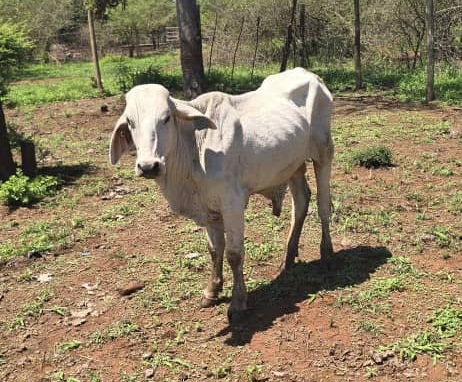
MBABANE – Exactly how much must a man pay for a lobola cow?
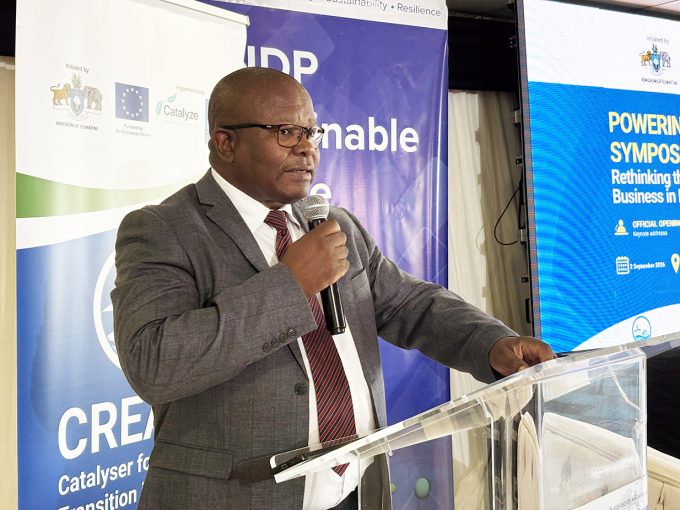
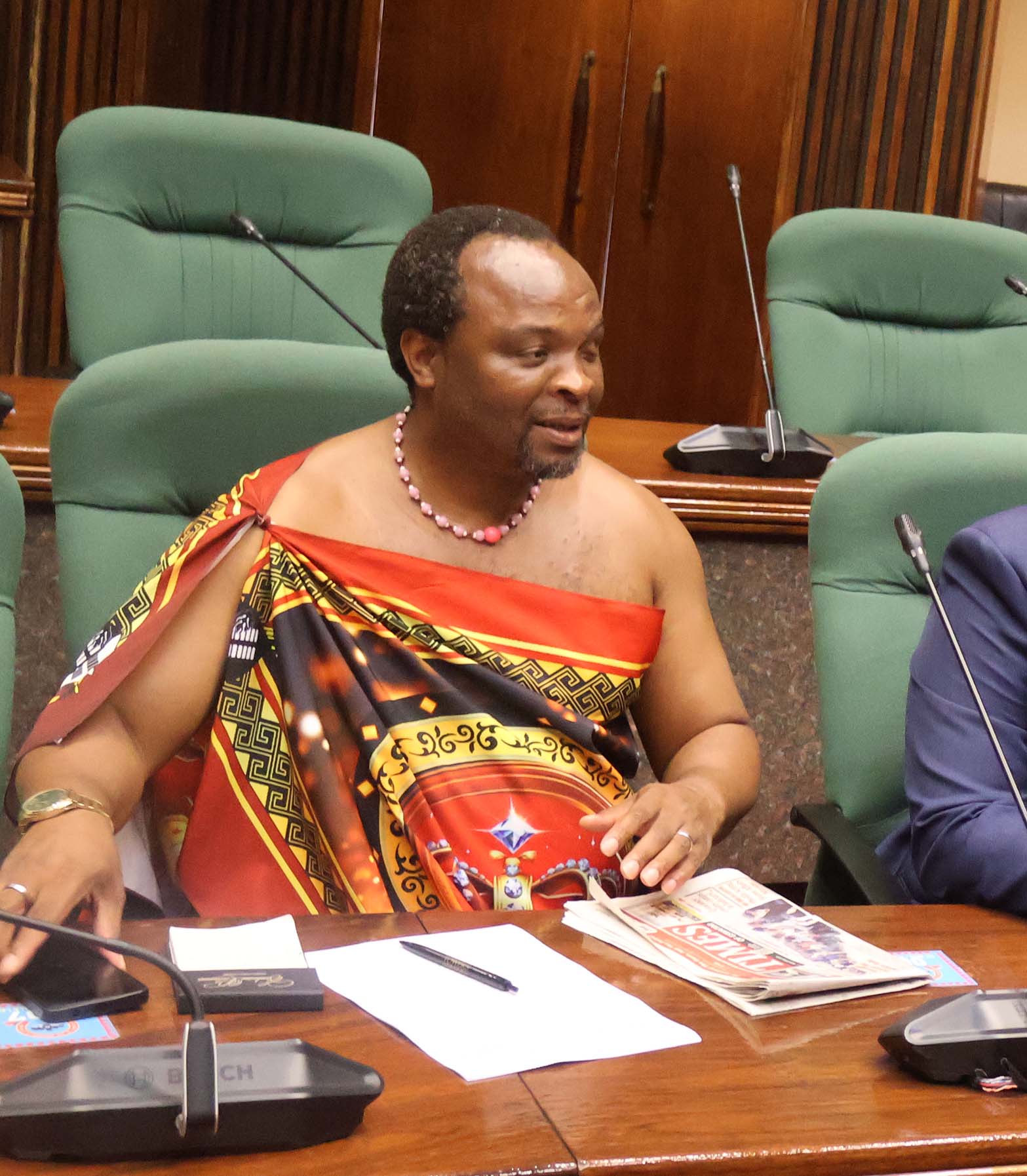
The question has sparked debate following a submission by Mbabane East Member of Parliament (MP) Welcome Dlamini, who believes there should be some form of regulation on the price of cattle paid for lobola in Eswatini.
This happened during the portfolio committee debate of the Ministry of Tinkhundla Administration’s Second Quarter Performance Report for the 2026/2027 financial year. During the debate and adoption of the report on Tuesday, the outspoken MP revisited the issue, saying he needs a proper response to his concerns. Making his submission, Dlamini argued that there should be some form of regulation on the price of a lobola cow, as the current costs were becoming increasingly unaffordable for many men.
“It is currently too expensive; hence a few people afford to pay lobola, some opt against having a wife. Even the one who has a wife struggles to pay lobola. Some prefer Western marriage because there’s no lobola obligation,” he said.
He suggested that the Ministry of Tinkhundla Administration should work with regional administrators (RAs) to find ways of regulating the price of cattle paid during lobola negotiations.
In its response presented to Parliament, the ministry indicated that the matter could be better addressed through a national forum, particularly the Sibaya People’s Parliament, where emaSwati could deliberate on issues affecting their cultural practices. In the culture of the Kingdom of Eswatini, lobola cattle (emalobolo or emabheka in siSwati) are traditionally given by a man and his family to the family of the woman he intends to marry as part of the customary marriage process. However, lobola is much more than simply paying a bride price. It carries deep cultural, social and family significance in Eswatini tradition.
There is no single amount that applies to every family. The number of cattle is generally determined through negotiations between the two families and may depend on family customs, expectations and individual circumstances.
The two families discuss and negotiate the arrangements through their representatives. In modern Eswatini, some families also agree to monetary payments or alternative arrangements.
The absence of a universally fixed number means that lobola negotiations can differ considerably from one family to another, with the expectations sometimes becoming a financial burden for prospective husbands. As if he has a strong passion for the proposal, the Mbabane East MP also made a similar submission regarding the cattle paid by individuals when performing kukhonta. Kukhonta is an important traditional practice in Eswatini that involves pledging allegiance, loyalty and respect to a chief in order to become a recognised member of that chiefdom.
It is closely connected to the traditional system of land allocation, community membership and the relationship between chiefs and their subjects. Traditionally, a person wishing to settle in a particular chiefdom approaches the chief through traditional leadership structures, including the bandlancane (chief’s inner council), to express the desire to become part of that community. The process involves pledging allegiance to the chief and acknowledging his authority, while traditionally, a beast or its monetary equivalent may be presented as a token of allegiance. Upon acceptance, the individual may be allocated Swazi Nation Land (SNL) for residential and agricultural purposes. The land is not privately owned but is occupied and used under customary rights.
Kukhonta, therefore, establishes a relationship between the chief and the individual, with the chief exercising traditional authority and responsibilities over the chiefdom, while those who khonta acknowledge that authority and their obligations within the community.
Dlamini’s proposal raises broader questions about the costs associated with traditional practices and whether there should be greater consistency in the financial expectations placed on individuals seeking to fulfil them.