MBABANE – Government is finally moving to act on the call made at Sibaya for decisive action against corruption, raising hopes that the long-standing demand to root out the scourge could soon translate into concrete measures.
This is because Cabinet, it has been revealed, has endorsed the motion that was recently in Parliament calling for a judicial inquiry into corruption.
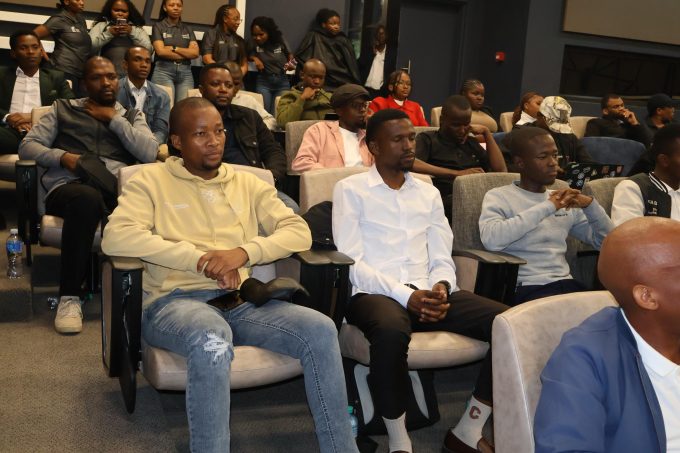
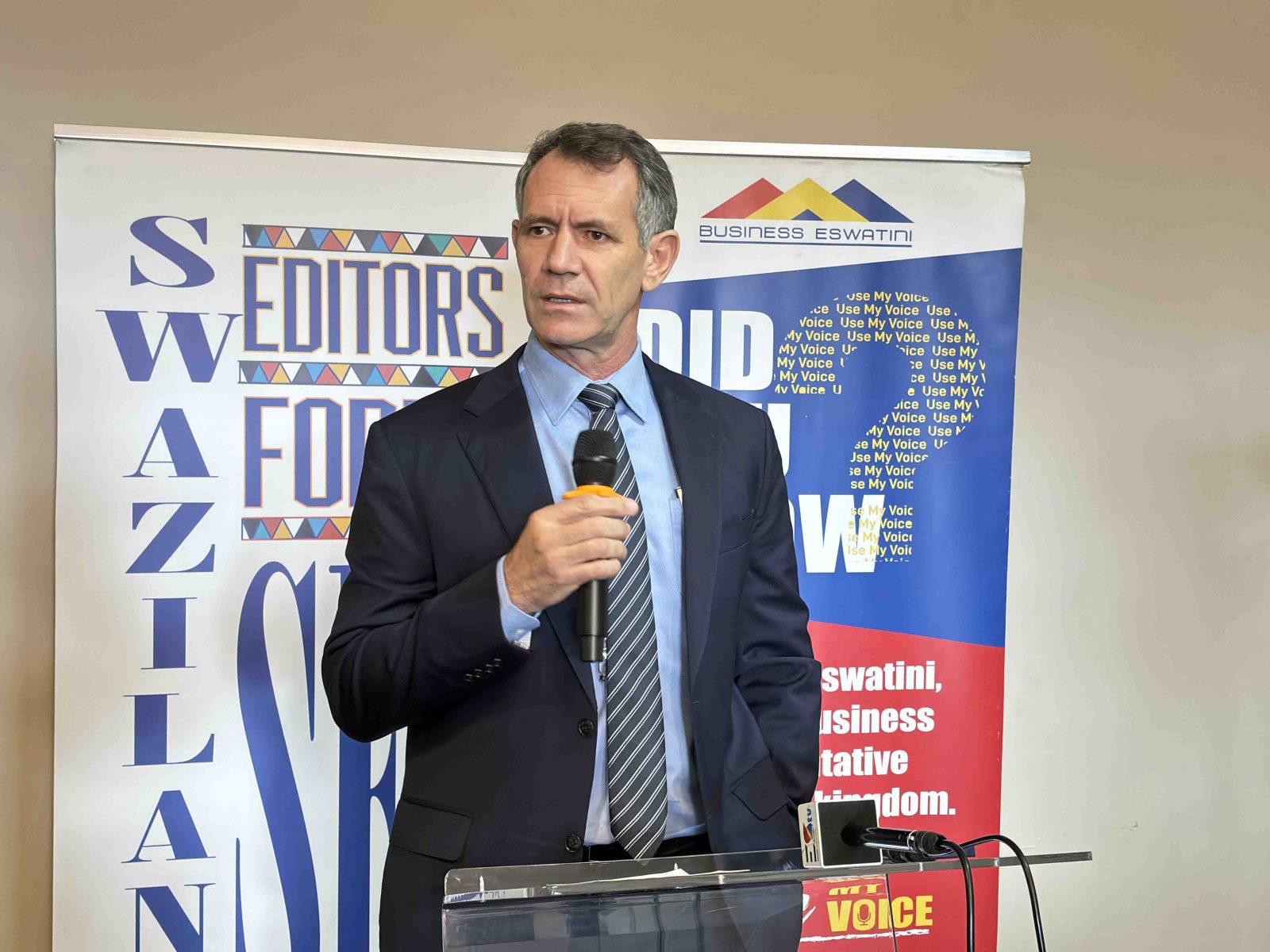
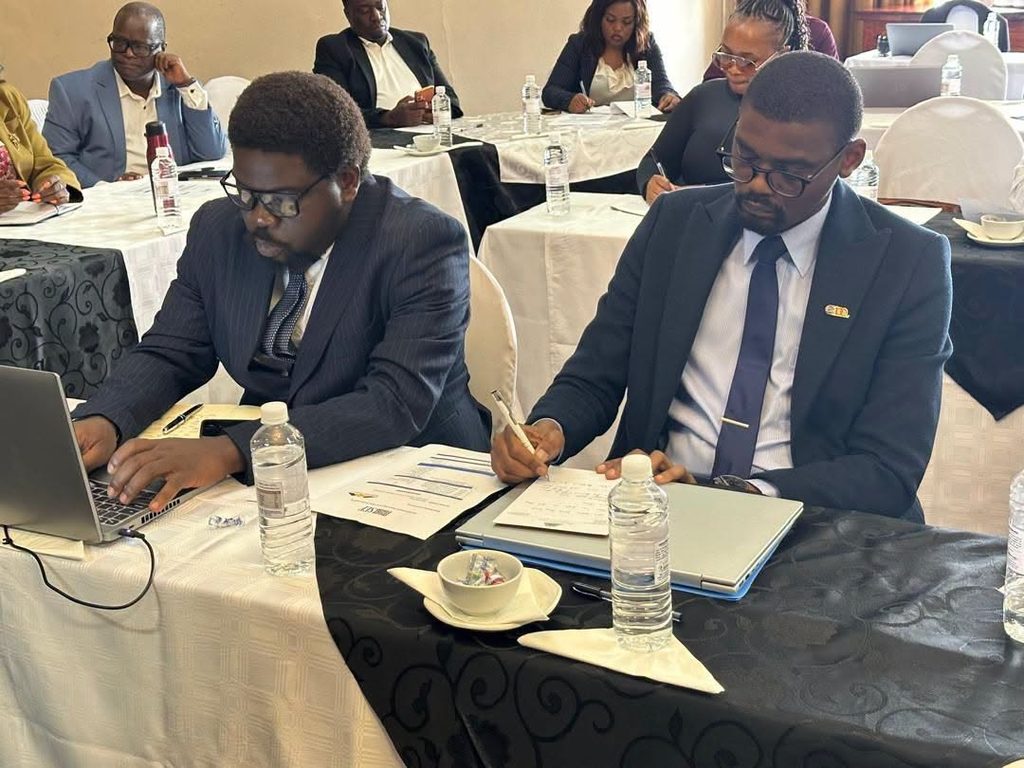
This was revealed during the Eswatini Editors Forum engagement with the Minister for Finance, Neal Rijkenberg at the Mountain View Hotel yesterday who was joined by Minister for Agriculture, Mandla Tshawuka and the principal secretary (PS) in the Ministry of Public Works and Transport.
At the same event, a revelation was made that whole the estimated money lost to corruption stood at E80 million a month in yester-years, the figure has gone up to E90 million.
The aim of the engagement was to discuss some of the loans that government has taken in the current budget. The Finance was asked by Independent News Editor Mfanasibili Sihlongonyane on what exactly government is doing to help eradicate corruption.
Sihlongonyane brought it to the attention of Rijkenberg that former Minister Majozi Sithole once revealed that the country was losing about E80 million monthly to corruption.
“Now the country has a problem, suppliers not paid. What is Cabinet doing just to eradicate corruption. We have a task team that was set up but up until today no one has been arrested,” Sihlongonyane said.
Both Rijkenberg and Tshawuka assured the media that something is being done to fight corruption.
Tshawuka then said: “As you may be aware, we had a motion that was passed recently in Parliament to investigate corruption. As Cabinet we have approved that inquiry, and we believe that we will start seeing the results. So, it is a collective effort”.
On the other hand, Rijkeberg acknowledged concerns about the effectiveness of the country’s anti-corruption institutions, admitting that the absence of convictions secured through the Anti-Corruption Commission (ACC) in recent years.
Rijkenberg said he was hopeful that changes made to address institutional and constitutional challenges would help restore the effectiveness of the country’s anti-corruption efforts.
The minister conceded that the concerns were valid, particularly given the lack of convictions involving the ACC over the past few years.
He attributed some of the challenges to what he described as an institutional impasse involving the constitutional position of the commission and its relationship with human rights oversight structures.
Rijkenberg explained that there had been complications surrounding the constitutional provisions governing the relevant institutional arrangements, which had affected the functioning of the commission.
He said the Ministers of Foreign Affairs and Justice had been working to resolve the matter and that he understood the outstanding issues had since been addressed.
Rijkenberg said he was encouraged by what he described as improved alignment, adding that he hoped the changes would allow the relevant institutions to discharge their responsibilities more effectively.
He also referred to developments involving the newly-appointed acting Chief Justice (CJ), saying the Judiciary was now accepting matters arising from the revised arrangements.
He maintained that the changes offered an opportunity for the relevant institutions to resume their work with greater clarity and alignment.
As reported by this publication two weeks ago, Hhukwini MP, Alec Lushaba successfully moved a motion calling on the Minister for Justice and Constitutional Affairs, Prince Simelane, to establish a Judicial Commission of Inquiry to investigate the scourge of corruption in the country.
Lushaba said the country had spent two decades discussing corruption without achieving the desired results, despite repeated warnings about its potential to destroy the economy and reverse developmental gains.
Lushaba recalled that in 2006, when opening Parliament, His Majesty King Mswati III warned that corruption, if left unchecked, would destroy the country’s economy and reverse the gains made over the years.
He also cited the Corruption Indaba held at Mavuso, where the need for stronger political will to successfully fight corruption was emphasised.
The MP said the enactment of the Prevention of Corruption Act of 2006 had also raised expectations that meaningful action would follow, but the problem persisted.
He further recalled that in 2012, the country was again urged to adopt a zero-tolerance approach towards corruption, while in 2019 concerns were raised about what was described as bobhabuli (big fish).
According to Lushaba, the concern at the time was that enforcement efforts appeared to concentrate on smaller offenders, while those considered to be big players were allegedly escaping accountability.
Lushaba said the proposed commission should investigate why institutions mandated to fight corruption across all branches of government had failed to fulfil their responsibilities.
He said the commission would help establish what had gone wrong and recommend a way forward, adding that its findings could provide the country with a clear direction on how to address the problem.
The motion proposes that Simelane establish the commission within 14 days of its adoption, preferably comprising impartial retired jurists from within or outside the country.
It further proposes that the commission investigate the causes behind the failure of institutions tasked with fighting corruption and refer any matters involving suspected corrupt conduct to the appropriate prosecutorial, investigative or disciplinary authorities.
The commission would be expected to complete its work within four months and submit its findings to the minister, who would then present the report to Parliament for information.
It should be noted that the Prime Minister, Russell Mmiso Dlamini, is on record having made a recommendation in July this year for the establishment of the single-wide-ranging commission of inquiry to investigate allegations of corruption across all sectors, instead of setting up separate commissions for individuals or departments.
The PM made the recommendation in Parliament during the debate on his office’s First Quarter Performance Report for the 2026/27 Financial Year, following calls from Members of Parliament (MPs) for investigations into alleged corruption in various ministries.
In the same vein, Minister for Justice and Constitutional Affairs Prince Simelane has on countless occasions insisted that Eswatini needed its own version of South Africa’s Madlanga Commission to investigate allegedly corrupt institutions, officials, and syndicates, including claims of corruption involving judges, Members of Parliament and drug lords.
Meanwhile, the Law Society of Eswatini has welcomed Cabinet’s endorsement of a Judicial Commission of Inquiry into corruption, describing it as a necessary step towards addressing the scourge.
The society said it supported the establishment of the commission to investigate wide-ranging allegations of corruption in the country.
In its reaction to government’s decision, the Law Society stated that the commission had been lawfully established, citing Section 3 of the Commissions of Inquiry Act, which provides that the authority to establish a commission of inquiry rests solely with the Executive through a designated minister.
However, the society emphasised that the credibility of the inquiry would depend on the independence and impartiality of the commissioners appointed to conduct the investigations.
It said it was essential that those appointed had unimpeachable records of integrity to safeguard the commission’s independence and ensure that its work commanded public confidence.
Furthermore, the Law Society called for maximum transparency in the conduct of the commission’s affairs, including holding its proceedings in public. According to the society, public proceedings would help ensure that the process commanded public confidence.
The society’s reaction follows Cabinet’s endorsement of a motion recently passed in Parliament, calling for the establishment of a Judicial Commission of Inquiry to investigate corruption in the country.
As reported by this publication, Hhukwini Member of Parliament (MP) Alec Lushaba successfully moved the motion, calling on the Minister for Justice and Constitutional Affairs, Prince Simelane, to establish the commission.
During the debate, Lushaba said the country had spent two decades discussing corruption without achieving the desired results, despite repeated warnings about its potential to destroy the economy and reverse developmental gains.
He recalled that in 2006, when opening Parliament, His Majesty King Mswati III warned that corruption, if left unchecked, would destroy the country’s economy and reverse the gains made over the years.
Lushaba also referred to the Corruption Indaba held at Mavuso, where the need for stronger political will to fight corruption was emphasised.