

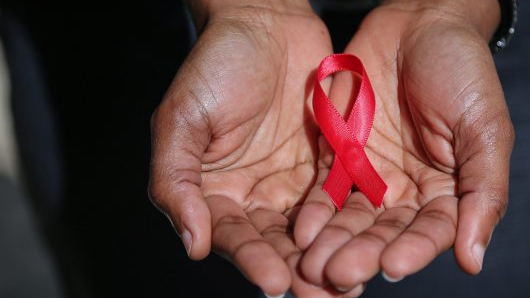
On December 1, 2025, Eswatini and the global community at large participated in commemorating the World AIDS Day 2025, under the theme, ‘Overcoming disruption, transforming the AIDS response’, calling for sustained political leadership, international cooperation and human-rights-centred approaches to end AIDS by 2030.
The event in Eswatini where throngs of emaSwati from various government ministries, development partners including the UN Agencies, civil society organisations, the private sector, the security forces, media and the community at large, converged at Hhukwini Inkhundla to commemorate this day this global event, which sought to keep communities mobilised for HIV/AIDS response.
It was indeed encouraging that since NERCHA was launched to facilitate the national response. This event, even in times of financial uncertainty, has indeed proved that NERCHA has not lost the spark, under the leadership of the prime minister’s office.
It is, however, disheartening that after decades of progress at global and country levels in particular, the HIV response stands at a crossroads. Funding uncertainty after withdrawal of funds by the United States Government, diversifying of funds to address new emergencies including wars in Ukraine, Gaza and Sudan, have resulted in life-saving services being disrupted. Drugs shortages in some countries, including Eswatini, continue to be a major threat to sustaining the HIV/AIDS response. Other challenges including worsening poverty levels, endemic gender-based violence, unemployment, especially among young people, have reached unprecedented levels, posing a threat to gains made in HIV/AIDS control. Many communities also face heightened risks and vulnerabilities, including disasters triggered by climate-change phenomena.
It is unfortunate that while gains have been made in many fronts regarding fighting HIV and AIDS, adolescent and young women continue to lead in infections levels, as their vulnerabilities deepen.
In spite of the daunting economic challenges, we remain hopeful that sustaining gains that have been made in achieving the 90-90-90 targets in record time is assured in Eswatini and these will remain a government priority, in spite of fiscal challenges due to economic challenges.
With government, stakeholders and community determination, new infections will be halted. Also worth noting is that addressing the nation during the 2025 commemoration at Hhukwini Inkhundla, the prime minister affirmed the long- standing political leadership the country has enjoyed since NERCHA’s founding and said, ‘Eswatini aspires to reduce HIV new infections to zero’ adding that, ‘this year’s commemoration is not just a symbolic observance,but a reminder to safeguard the gains made in the HIV response and the need to confront emerging challenges.’
It is indeed the determination, resilience and innovation of all stakeholders who strive to end AIDS, that will ensure Eswatini does not lose the gains made regarding HIV/AIDS. This is, indeed, hope that should inspire all of us to continue to contribute towards the end of AIDS, as a public health problem.
At global level, during the commemorating of this day, Antonio Gutierrez, United Nations Secretary General noted that: “This World AIDS Day reminds us that we have the power to transform lives and futures and end the AIDS epidemic once and for all. The progress we have made is undeniable. Since 2010, new infections have fallen by 40 per cent. AIDS-related deaths have declined by more than half. And access to treatment is better than ever before.
“Nevertheless, for many people around the world, the crisis continues. Millions still lack access to HIV prevention and treatment services because of who they are, where they live or the stigma they endure. Meanwhile, reduced resources and services are putting lives at risk and threatening hard-won gains.
“Ending AIDS means empowering communities, investing in prevention and expanding access to treatment for all people. It means uniting innovation with action and ensuring new tools like injectable reach more people in need. At every step, it means grounding our work in human rights to ensure no one is left behind. Ending AIDS as a public health threat by 2030 is within grasp. Let’s get the job done.”
The call by the UN leader should inspire us as individuals, families and communities to indeed get the job done, by taking advantage of the newly launched injectable programme so that we prevent surge in new infections. Those who are on ART must not default on treatment that has proved its efficacy in helping our country achieve remarkable global targets of 90-90-90.
It’s a call for NERCHA leadership including all stakeholders, to continue to push for better national outcomes. We must thank successive government administrations that have never failed to provide leadership against this scourge. Hence, the current prime minister and his Cabinet colleagues, including Parliament, continue to demonstrate that they are committed towards elimination of AIDS as a public health problem. The voice of PLHIV and civil society must continue to be heard. Let’s get the job done.
















Leave a comment