

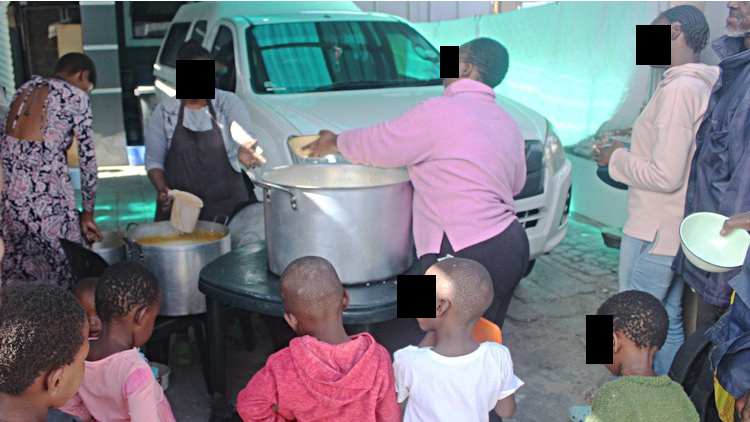
MBABANE – As schools across Eswatini close for the year, marking the start of the long December holidays, thousands of vulnerable children are entering a season not of rest and celebration, but of hunger.
For many learners from impoverished households, the end of the school term also signals the end of the only reliable meal they receive each day – the plate of food provided through the school feeding scheme.
In rural communities and informal settlements, the closure of schools has left children who depend on the feeding programme stranded, with no guaranteed source of food for weeks until schools reopen next year.
The Food and Agriculture Organisation (FAO) of the United Nations, in its 2018 report, highlighted that Eswatini’s school feeding programme has long been recognised as a critical social safety net, particularly for orphaned and vulnerable children.
Implemented with government support and development partners, the programme ensures that learners receive at least one nutritious meal during the school day.
For thousands of children, especially those living with destitute grandparents or in child-headed households, the school meal is not a supplement – it is the main meal of the day.
Educators and child-welfare organisations say the programme has helped improve school attendance, concentration and overall well-being among learners.
While younger children may access food at Neighbourhood Care Points (NCPs) or community soup kitchens, these centres are unevenly distributed and often under-resourced. Many operate only on weekdays, while others struggle to provide consistent meals due to food shortages and funding constraints.
For schoolgoing children, particularly those beyond early childhood age, there is little to no structured support during the holidays.
The situation is further worsened by the festive season, a period when food prices typically rise while informal income opportunities dry up. For vulnerable households, December becomes one of the hardest months to survive.
With no school meals and limited access to community feeding centres, children are at a heightened risk of malnutrition.
Bangani Foundation contact person and co-founder Nontobeko Simelane said the organisation usually hosts year-end gatherings for children, but its most recent event attracted more than 200 children – far exceeding expectations.
“This is caused by the closure of schools. We provided them with Christmas clothes, food as well as toys,” she said.
Simelane added that the turnout demonstrated the extent of need during the holiday season, a trend they also observed at their makeshift soup kitchen, which they operate intermittently.
“Even though the kitchen is not yet fully operational, we call children from the community to come and eat on certain days. We have observed an influx since the closure of schools,” she said.
She added that the foundation is currently self-funded, relying on family resources to sustain its activities.
*Full article available in our publication


















Leave a comment