

The ever-growing need to physically expand the Ludzidzini Cattle Byre for the annual Incwala Ceremony should be seen way beyond merely accommodating more feet on the ground. It is signalling the urgent need to grow and expand everything surrounding our premier national event, from its organisation, its economic infrastructure, its global reach and its sustainability. With an economy dearly pressed for diversified sources of revenue, this is one avenue that now needs a welI-structured business approach.
The overflowing byre is a symptom of a ceremony whose spiritual and cultural gravity is pulling not just our people, but the world closer. These include the French visitors who took a taxi on a whim after a workshop cancellation and the South African family that chose Incwala over scuba diving. The demand is clear. Our traditions are not just rituals, they are marketable experiences, so we must respond by building a framework that will accommodate their growing stature.
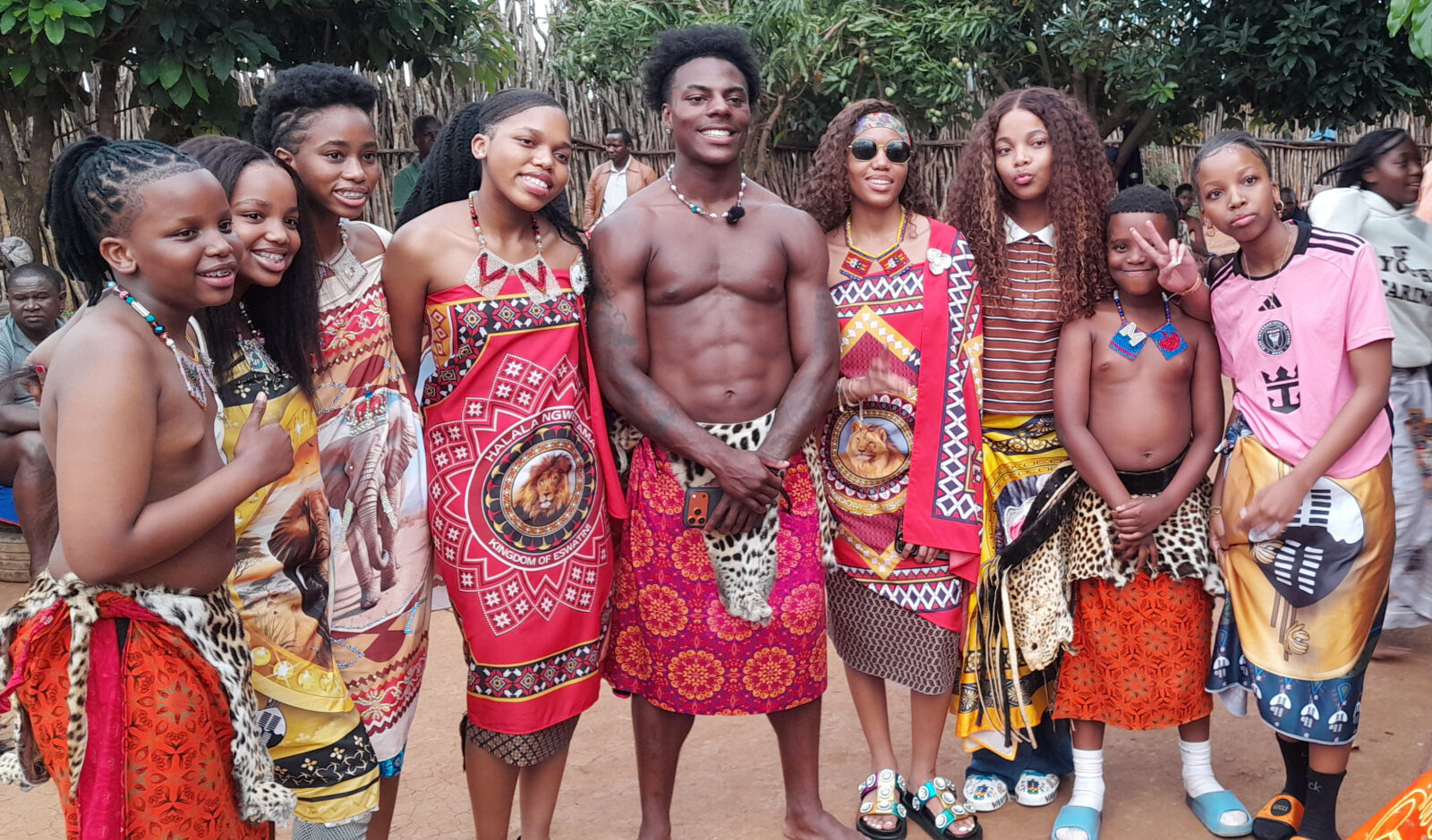
This year’s Incwala undeniably achieved a new scale in live attendance, thanks to the strategic inclusion of American livestreamer IShowSpeed, whose participation was beamed to his 47 million subscribers. Due credit must be given to all those who made this possible. This was not just broadcasting, it was a global cultural show that placed Eswatini squarely on the world map, dispelling misconceptions and showcasing a nation seamlessly blending tradition with modernity. However, a pressing question immediately comes to the fore: How do we transform those 47 million digital viewers into physical tourists for next year’s ceremony? The answer requires a paradigm shift, viewing Incwala not solely as a sacred local ritual but as Africa’s next great cultural export, with the power to impact our economy as other mega-festivals do for theirs.
It is without a doubt that His Majesty the King remains a major draw card, as expressed by Spanish Malaria Researcher, Nil Sancho, after his rare and unexpected opportunity to meet the King at the ceremony. ‘‘I knew Eswatini was ruled by the King, but had never seen him in person. It was thus my desire to meet the King,’’ he said. Clearly for many, the chance to witness a living, breathing, monarchy at the heart of an ancient ceremony, is a narrative few nations can offer.
We must, as African Union Commissioner Moses Vilakati urged, promote this narrative across all 54 African nations and beyond. The King’s grace and leadership, symbolising the unity and peace celebrated since independence, are not just our heritage but our competitive edge on the stage of global cultural tourism. To capitalise on this, we must move beyond admirable to more intentional planning. Not to say such an effort does not exist, but like the cattle byre, it needs to be expanded to allow more stakeholders to play a meaningful role.
The event now demands an enhanced coordinated and multi-sectoral support structure that works hand-in-glove with the Eswatini Tourism Authority, incorporating the corporate sector, the hospitality industry, craft artisans, transport operators, media experts, etc. The corporate sector must see investment in Incwala not as charity but as strategic nation-building and brand alignment. The hospitality industry must develop tailored, respectful packages as best as they know how. The craft sector must be empowered to produce and make readily available appropriate attire, even for rental, to avoid the incident of the Danish tourist turned away for wearing shorts. This would transform a moment of exclusion into one of inclusive participation and revenue. Most importantly, an unforgettable experience to be shared with fellow countrymen who may become our next visitors.
Furthermore, this coordinated body must address a vital internal need: Greater resource mobilisation to cater for stipends for the youth who are the ceremony’s lifeblood. The impressive, growing turnout of regiments like the Ingaja is the very soul of Incwala and its future. Supporting these young participants, particularly those from afar, with a modest allowance should not come across as payment for tradition but as a practical investment in their welfare and a dignified recognition of their commitment. As indicated by many of the beneficiaries, these stipends are reinvested in the economy as they go on to address basic needs like school shoes and supplies, directly linking cultural preservation to social upliftment and poverty alleviation.
As participation grows, this support, which should be funded through a dedicated corporate social responsibility pool, to ensure the ceremony’s sustainability for generations. We must aim for nothing less than positioning Incwala as the biggest and most impactful cultural event on the African continent. This ambition requires professional marketing, seamless visitor experiences and storytelling that will feature on more than just one famous live streamer. Most importantly, emaSwati should tell their own story in a bigger and better way to the world.
The expanded cattle byre is our sign. The global audience via IShowSpeed is our proof of concept. Now, we must build on this by forging a unified national effort that professionalises support, respects sanctity and ensure that Incwala’s growth goes beyond our cultural pride to a source of revenue and subsequent shared prosperity.













Leave a comment