

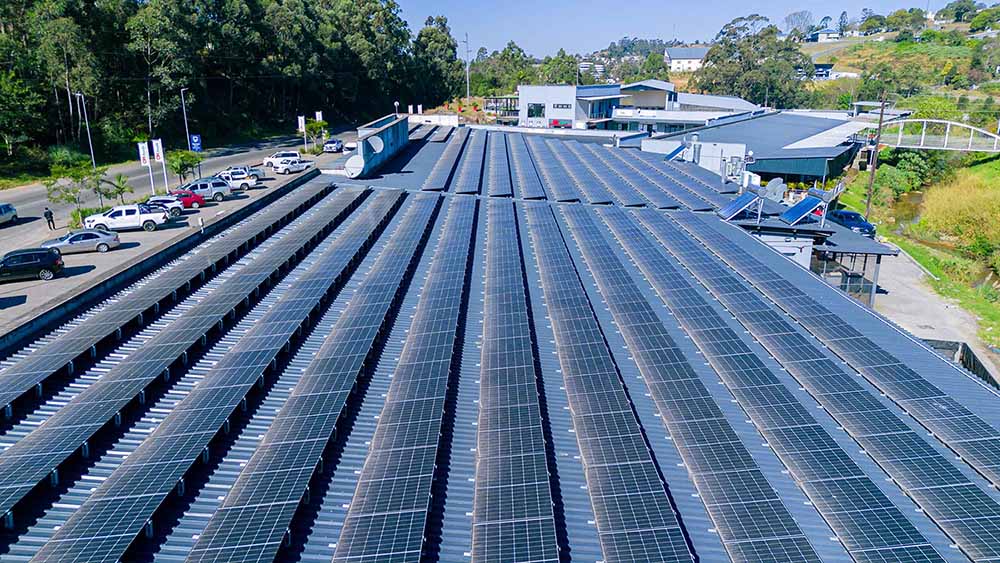
MBABANE – As electricity tariffs continue to rise, many businesses are feeling the pressure on their operating costs.
From manufacturing plants and cold-storage facilities to retail outlets and service providers, energy has become one of the most significant expenses on the balance sheet.
According to the Eswatini Energy Regulatory Authority (ESERA), the solution to this growing challenge lies in solar embedded generation – a system that allows businesses and households to produce electricity at the point of use.
In its 10th edition of the Umlawuli Wemandla newsletter, ESERA highlights embedded generation as a strategic response to escalating electricity costs, energy insecurity and pressure on the national grid.
Electricity is a critical input for almost every sector of the economy. However, as tariffs rise, profit margins are increasingly being squeezed.
For energy-intensive operations such as agro-processing, manufacturing, hospitality and data services, high power bills can undermine competitiveness and limit growth.
“For businesses with energy-intensive operations, embedded generation offers more than convenience – it represents a strategic advantage,” ESERA notes.
By investing in solar embedded systems, businesses can reduce their dependence on grid electricity and gain better control over their energy costs.
What is embedded generation?
Embedded generation refers to electricity produced directly where it is consumed.
This can include:
- Rooftop or ground-mounted solar panels
- Small wind turbines
- Other decentralised renewable energy technologies
Instead of relying solely on large power stations that transmit electricity over long distances, users generate power on-site. This reduces energy losses, improves efficiency and strengthens energy security.
ESERA compares the system to “tapping into a clean spring next to your home” rather than relying on water that travels from far away and loses volume along the way.
*…
Turning consumers into energy contributors
MBABANE – One of the most transformative aspects of embedded generation is that electricity can now flow both ways.
Instead of being passive consumers, businesses can supply excess solar power back into the grid through agreements with the utility.
This creates a more interactive and dynamic energy system, while also opening up new income opportunities for large energy users.
Factories, shopping centres and commercial buildings with large rooftop space are especially well-positioned to benefit from this model.
While the focus is on businesses, ESERA emphasises that households benefit too. Families can:
- Cut monthly electricity bills
- Reduce their carbon footprint
- Enjoy greater peace of mind during outages
- Maintain essential services like lighting and refrigeration
*Full article available on Pressreader*


















Leave a comment