

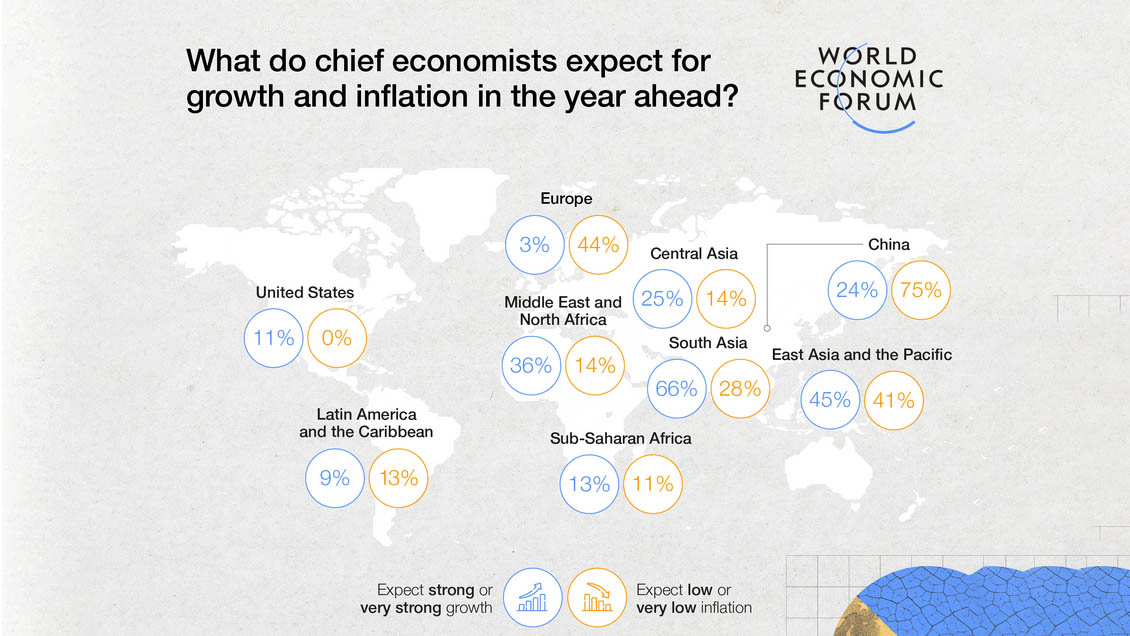
MBABANE – Sub-Saharan Africa and Latin America are grappling with mounting public debt burdens, while simultaneously facing urgent demands for structural economic transformation.
This is according to the latest World Economic Forum’s (WEF) January 2026 Chief Economists’ Outlook, released on Friday.
Although Eswatini is not singled out in the report, the challenges highlighted mirror the realities confronting the kingdom’s economy as well.
The regions are navigating a difficult balancing act: servicing high debt levels, maintaining fiscal stability and investing in long-term growth reforms.
For countries like Eswatini, this dual challenge is particularly pressing as government finances remain constrained, while development needs continue to grow.
Across Sub-Saharan Africa, rising public debt has reduced governments’ ability to spend on critical sectors such as infrastructure, healthcare, education and industrial development.
Debt servicing costs now consume a growing share of national budgets, leaving limited room for productive investment. Eswatini faces a similar situation. Public debt has risen in recent years, driven by fiscal deficits, slower revenue growth and increased spending pressures. As debt servicing costs increase, fewer resources are available for development projects that could stimulate economic growth and job creation.
The global outlook warns that many developing economies are entering a period of slower growth at a time when debt levels are at multi-decade highs. This combination makes it harder for governments to respond to economic shocks, support vulnerable households or finance major transformation programmes.
*…
Regional risks affect local businesses
MBABANE – The World Economic Forum (WEF) further notes that global trade uncertainty, higher interest rates and weaker external demand are weighing on emerging and developing economies.
These trends affect export-oriented sectors, investment flows and business confidence.
For Eswatini’s business community, this means tougher conditions for accessing finance, expanding into new markets and maintaining profitability.
Rising borrowing costs and cautious investor sentiment make it harder for firms to invest in expansion, innovation and job creation.
Small and medium-sized enterprises (SMEs), which form the backbone of Eswatini’s economy, are particularly vulnerable to these pressures.
Why WEF report matters: Although Eswatini is not directly referenced in the report, the regional analysis is highly relevant.
The kingdom shares many of the structural challenges faced by Sub-Saharan Africa:
- Rising public debt and limited fiscal room
- Dependence on a narrow economic base
- High youth unemployment
- Slow industrial diversification
- Vulnerability to global economic shocks
Without decisive reforms, these challenges could constrain growth for years to come.
The report emphasises the importance of restoring fiscal discipline, including the use of fiscal rules to manage government spending and borrowing. Such measures help ensure that public finances remain sustainable, especially during economic downturns.
*Full article available on Pressreader*

















Leave a comment