

MANZINI – Trade unions have warned that approval of the proposed electricity tariff increase will result in employers closing down operations and workers losing their jobs, thereby worsening unemployment in the country.
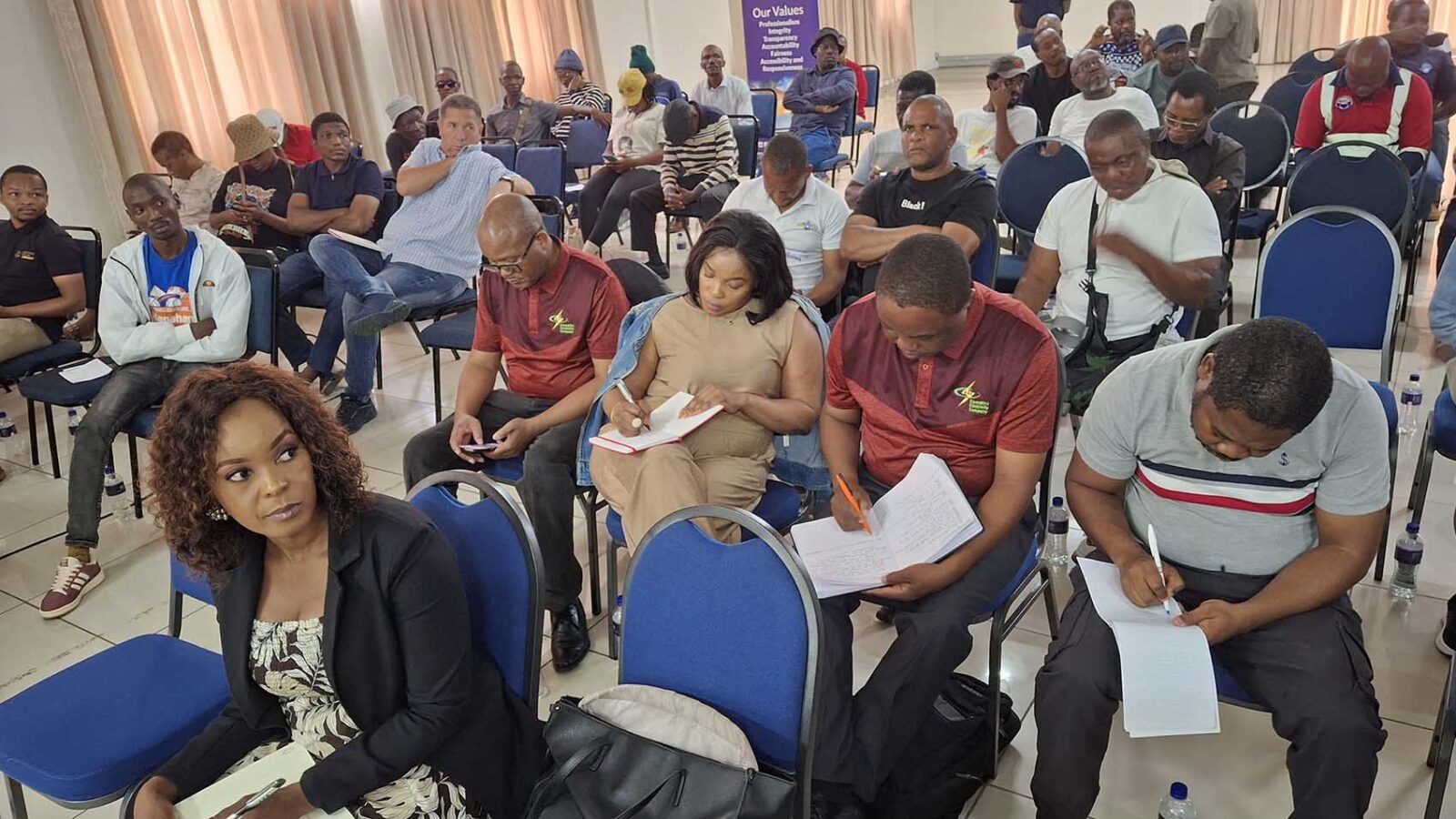
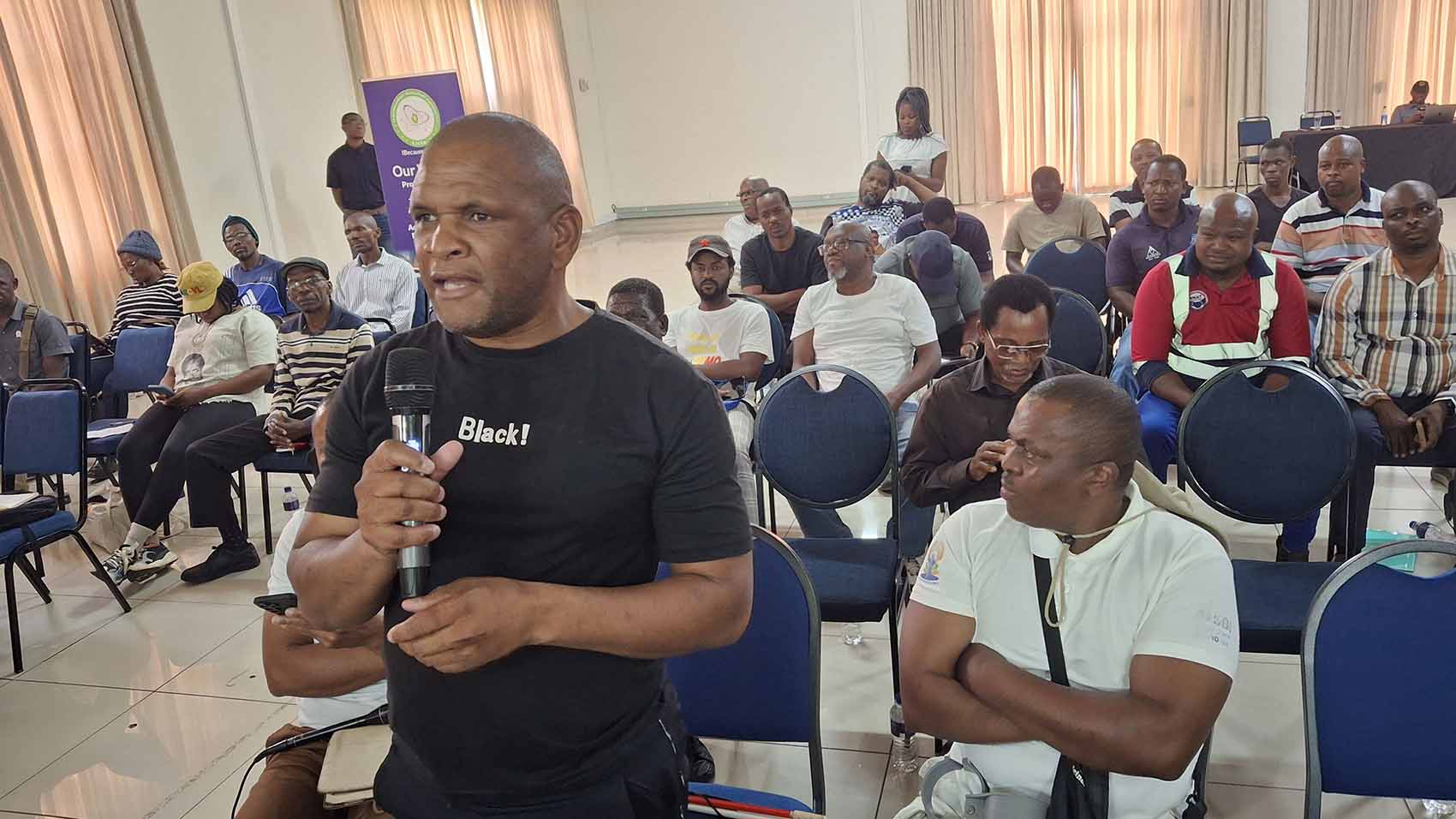
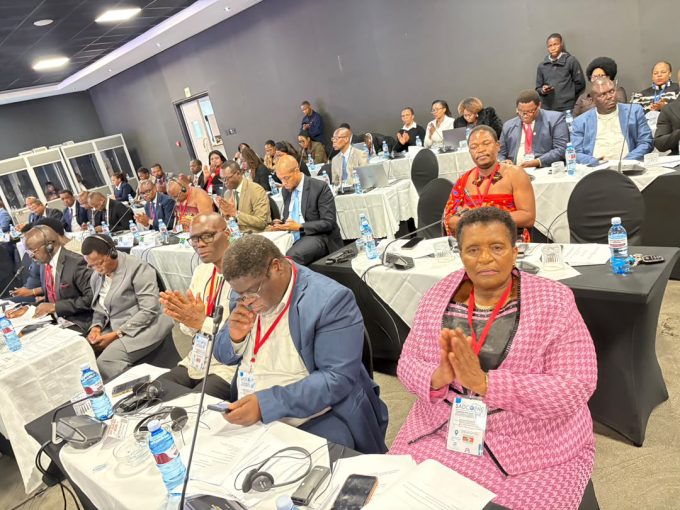
This concern was raised during the last public consultation exercise hosted by the Eswatini Energy Regulatory Authority (ESERA), in collaboration with the Eswatini Electricity Company (EEC), held at The George Hotel yesterday.
The session was attended by representatives and members of various trade unions, including the Trade Union Congress of Swaziland (TUCOSWA) and the Swaziland National Association of Teachers (SNAT).
A majority of participants who were given the opportunity to make submissions rejected the proposed tariff hike, arguing that it would force many businesses to close, as they would no longer be able to afford electricity costs, ultimately leading to job losses.
TUCOSWA second Deputy Secretary General Sikelela Dlamini submitted that the Constitution of Eswatini clearly stipulates that government is responsible for the provision of services and that such services must be decent and affordable.
He said it was, therefore, puzzling that consumers were now being made to shoulder the burden.
“This is a complete violation of the Constitution and will cause serious social problems for the country,” Dlamini said.
As per procedure, EEC management was present to provide clarity on issues raised during the submissions.
Managing Director Ernest Mkhonta first addressed concerns regarding transparency in the parastatal’s financial statements. He explained that the company’s financials are audited by professionals, who always highlight inefficiencies where they exist.
“As EEC, we fully understand the plight of emaSwati. I myself pay electricity,” he said.
Mkhonta also responded to accusations that EEC continued to demand tariff increases even during years when it recorded significant profits.
He explained that during those periods, the profits were channelled towards infrastructure development.
He emphasised that electricity is a critical commodity, especially in essential institutions such as hospitals and clinics, which is why it is important to ensure consistent availability.
Meanwhile, TUCOSWA tabled what it termed recommendations on how electricity tariffs should be handled.
Firstly, the federation issued a strong call for decisive intervention in the electricity sector, warning that continued inaction could place both the public power utility and consumers under unsustainable pressure.
It stressed the need for ESERA to fully exercise its legislative mandate to protect the public from bearing the consequences of political and policy decisions within the energy sector.
At the centre of TUCOSWA’s concerns is the precarious state of the EEC. The federation noted that the public utility is facing serious structural and financial challenges that threaten its very existence.
In response, TUCOSWA urged ESERA to convene all relevant stakeholders and lead the development of a comprehensive framework aimed at repositioning and reviving the EEC.
Such a framework, it argued, is essential for the utility to fulfil its national mandate and play a central role in expanding electricity supply for the benefit of citizens and the broader economy.
*Full article available on Pressreader*














Leave a comment