

MBABANE – As South Africa’s NERSA approves a temporary electricity tariff to save jobs and revive Glencore’s smelters, a similar appeal has been made to ESERA to protect local industries.
The National Energy Regulator of South Africa (NERSA) has approved a 12-month interim electricity tariff of 87.74 cents per kilowatt-hour (kWh) for Glencore Ferroalloys’ smelters.
The Eswatini Energy Regulatory Authority (ESERA) is yet to make its decision on the 20.67 per cent tariff increase proposal by the Eswatini Electricity Company (EEC).
A representative of one of the coal mines in Eswatini, recently made the appeal to ESERA during a recent stakeholder meeting. ESERA stated that, as part of the regulatory process, the final decision would only be taken after all assessments have been completed. The authority assured the public and stakeholders that the tariff decision will be released no later than February 12, 2026.
Meanwhile, the approval by SA’s NERSA, though temporary, marks a breakthrough in ongoing negotiations between Glencore, Eskom and several government departments. aimed at securing sustainable electricity pricing for the mining and metals sector.
Glencore’s Chief Executive Officer, Japie Fullard, confirmed the development in a letter to employees, describing it as ‘very good news’ and a significant step forward in the company’s efforts to stabilise operations. “We are very pleased to have received a media statement from NERSA confirming the approval of a 12-month interim electricity tariff of 87.74 cents per kWh,” Fullard said.
“Once we receive formal notification from Eskom that the government support funding mechanism is in place, we will commence start-up processes at the Lion Smelter.”
The Lion Smelter, one of Glencore’s major facilities, is expected to resume operations once the interim tariff takes effect. However, Fullard cautioned that the approved rate remains too high for other smelters such as Boshoek and Wonderkop, which require a lower tariff of 62 cents per kWh to operate profitably.
He explained that the company continues to engage with Eskom, NERSA, and the South African Government in pursuit of this lower rate. “While the interim tariff is not sufficient for the restart of the Boshoek and Wonderkop smelters, we remain very committed and optimistic that this tariff may still be achieved,” he added.
Glencore has extended its Section 189 consultation process, a legal retrenchment procedure under South African labour law, until February 28, 2026, delaying potential job losses while negotiations continue. The company’s internal restructuring initiative, Project Phoenix, will also proceed to improve operational efficiency regardless of tariff outcomes.
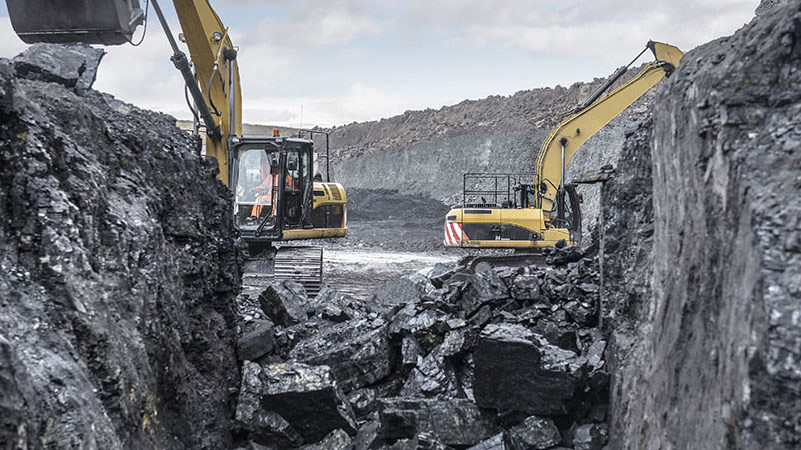
In Eswatini, Maloma Colliery Limited, the country’s only operating coal mine, has made a similar appeal to the ESERA. The company is requesting special consideration as an energy-intensive operation in the ongoing electricity tariff adjustment process.
Speaking during a stakeholder consultation meeting held as part of the Eswatini Electricity Company’s (EEC) tariff review, Maloma’s representative Linda Zungu highlighted the mine’s growing financial strain due to high electricity costs.
She cited significant financial strain, reduced production and substantial job losses. Zungu told the meeting that Maloma Colliery is a highly energy‑intensive company, currently spending approximately E45 million per year on electricity.
*Full article available on Pressreader*









Leave a comment