

MBABANE – The Business Federation Eswatini (BUFE) has urged government to use the 2026 National Budget as a turning point for micro, small and medium enterprises (MSMEs).
The federation for MSMEs is calling for bold structural reforms that will move small businesses from survival mode into sustainable growth.
The Minister for Finance, Neal Rijkenberg, is set to deliver his Budget Speech for 2026 at the House of Assembly today.
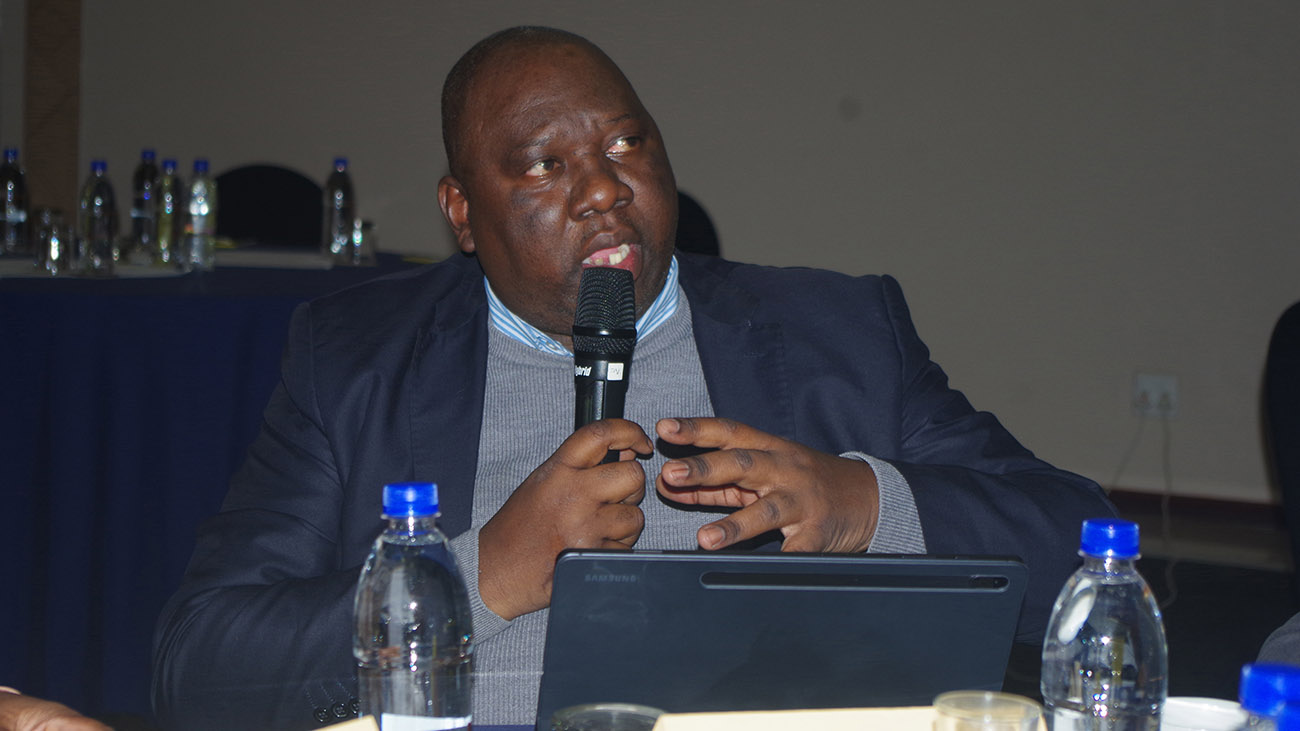
BUFE Operations Manager Mangaliso Maseko, said Budget 2026 must signal a fundamental shift in how government supports MSMEs, starting with ring-fencing at least 20 per cent of public procurement for small businesses, including within parastatals.
He said government should champion a growth-oriented approach that ensures MSMEs participate meaningfully in the mainstream economy, rather than being confined to informal and peripheral roles.
“The budget must set a clear direction for Eswatini’s MSME ecosystem. We want policies that make small businesses more competitive, better funded and easier to run. This year should not be about short-term relief, but about building an environment where MSMEs can expand operations, improve cash flow, reduce compliance pressure and access new domestic and global markets,” Maseko said.
BUFE argues that public procurement remains one of the biggest untapped opportunities for small business growth in Eswatini.
*…
Tax incentives to ease post-COVID-19 pressure
MBABANE – BUFE says MSMEs are still struggling to recover from the economic aftershocks of COVID-19, with many small businesses burdened by tax arrears accumulated during the downturn.
BUFE Operations Manager Mangaliso Maseko said enforcement actions by the Eswatini Revenue Service (ERS) were placing additional pressure on already fragile enterprises, with some MSMEs facing closure or liquidation due to their inability to meet repayment schedules.
“Many MSMEs entered into debt arrangements, but the slow pace of economic recovery means they simply cannot keep up with repayments.
“Tax incentives and relief measures would help stabilise small businesses and prevent unnecessary closures,” he said.
BUFE is also advocating for reduced penalties for minor technical tax compliance errors, moving towards a more trust-based system that encourages voluntary compliance rather than punitive enforcement.
“Most small businesses do not default intentionally. They struggle with compliance capacity.
“Simplifying penalties and compliance processes will reduce fear and bring more MSMEs into the formal economy,” Maseko said.
BUFE further stressed that the Eswatini National MSME Policy 2024–2029 must be fully funded to translate policy commitments into tangible support for entrepreneurs.
*Full article available on Pressreader*















Leave a comment