


MBABANE – As police crack down on undocumented foreign nationals linked to illegal online gambling, the Ministry of Home Affairs has launched 20-year internal investigations into some of its officers.
The ministry’s Communications Officer, Mlandvo Dlamini, said the probe follows a crackdown on corruption, culminating in the arrest and suspension of officers reportedly implicated in several illegal issuances of State documents. The investigation aims to establish when these illicit acts began.
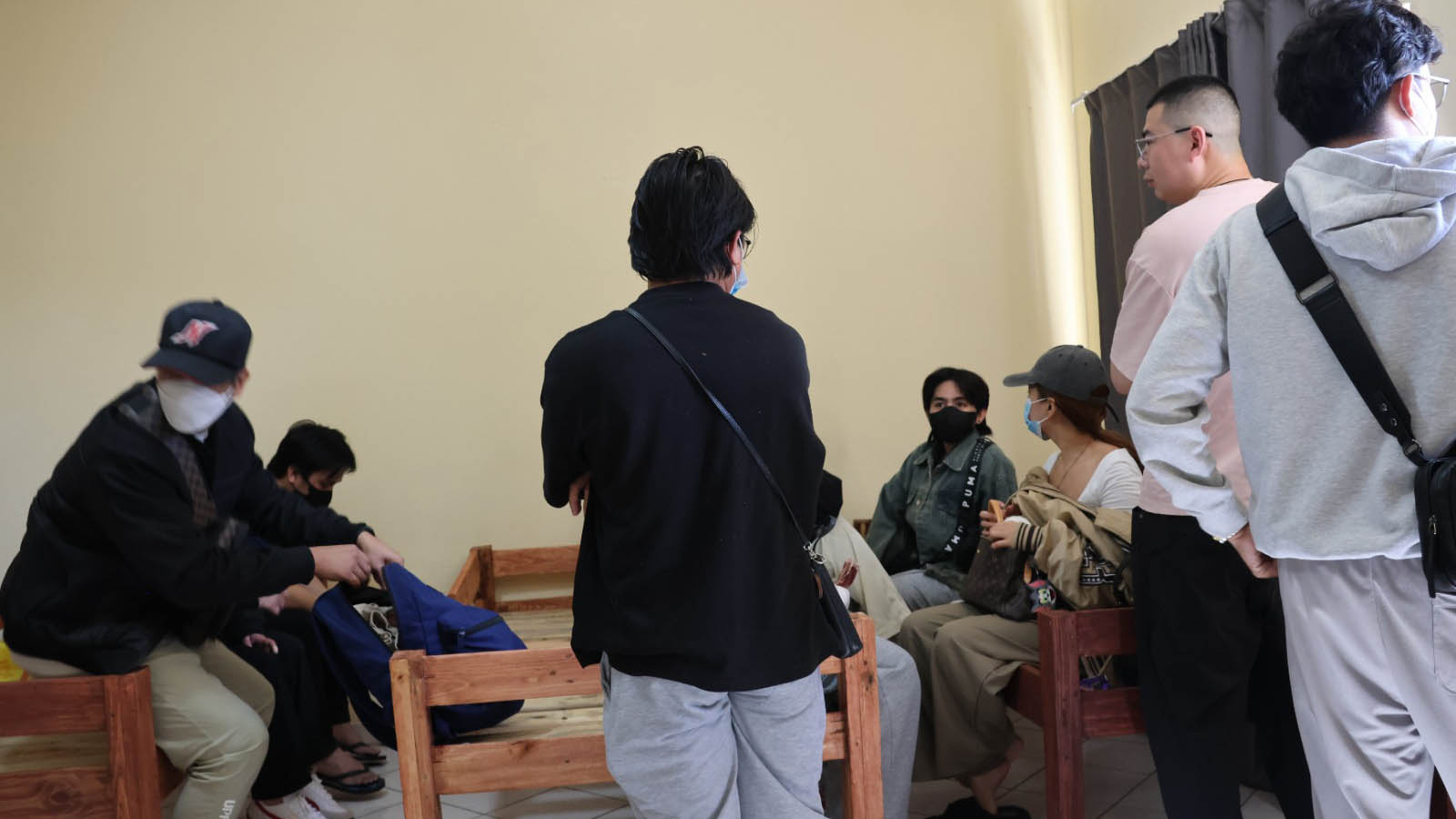
So far, 146 foreign nationals have been arrested, with some found in possession of national identity cards and other State documents, allegedly issued under questionable circumstances.
In collaboration with other State entities, Dlamini said, the ministry has been reviewing the activities of each officer, including all documents they issued.
“We’ll leave no stone unturned, as we don’t want the public to say the ministry is corrupt because people within the ministry are the ones who are corrupt,” he said.
Among those being investigated is the pastor’s wife, who was questioned for several hours before being released pending further inquiries.
This publication reliably gathered that during the interrogation, the woman recorded a statement with police and was informed that her presence might be required again as investigations continue. This was confirmed by Deputy Police Information and Communications Officer, Assistant Superintendent Nosipho Mnguni.
Sources close to the investigation allege that the woman and her husband are suspected of facilitating the entry of foreign nationals into the kingdom.
Meanwhile, Dlamini said six foreign nationals arrested on Tuesday are believed to be part of the same syndicate involved in a suspected online gambling scam known as ‘pig-butchering’. They include nationals from Mainland China, Taiwan, Brazil, Indonesia and Cambodia. He said the ministry’s breakthrough was the result of a tip-off from patriotic community members who want a corruption-free Eswatini.
Dlamini expressed gratitude to emaSwati who continue to report anomalies, and appealed to the nation to support the fight against corruption.
“As a ministry, this is not the first time we have acted on a tip that led to a major bust. We have a compliance unit that conducts checks nationwide, including in rural areas,” he said.
The tip revealed the need for a multi-faceted investigative team. “We then informed the police, as our mandate only allows us to investigate compliance,” Dlamini said.
*…
Ex-employees claim systemic underpayment
MBABANE – Former employees of an online betting platform, where two Chinese nationals are among the 51 arrested on Friday, have come forward with allegations of systemic underpayment and breaches of the Employment Act of 1980.
The group, consisting of early staff members who helped launch the company in Eswatini, claims they are owed significant sums related to overtime, holiday pay and weekend pay.
The disgruntled former workers have since engaged legal counsel and a debt collector to pursue the matter with the company’s directors.
The main grievance involves the calculation of wages for work performed outside of standard hours. According to one of the former employees, referred to as *Musa, to protect his identity, he reportedly worked 12-hour shifts (7am to 7pm) for a monthly salary of E3 500.
He alleged that Saturdays, Sundays and overtime hours were frequently compensated at a flat normal rate rather than the statutory time-and-a-half or double-time rates required by Eswatini law.
He said while the company reportedly began paying for public holidays in April last year, the five public holidays preceding Good Friday in 2025 remain unpaid.
According to Musa, they continued to work based on verbal promises of back pay for these periods, which they claim never materialised.
A further point of contention involves the provision of transport for those working ‘awkward hours’. The employees noted that despite an intervention from the Department of Labour instructing the company to provide staff transport, the company reportedly failed to comply.
According to his narration, transport was later only provided during public holidays, leaving staff to find their own means of travel for regular night and weekend shifts.
*Full article available on Pressreader*




















Leave a comment