

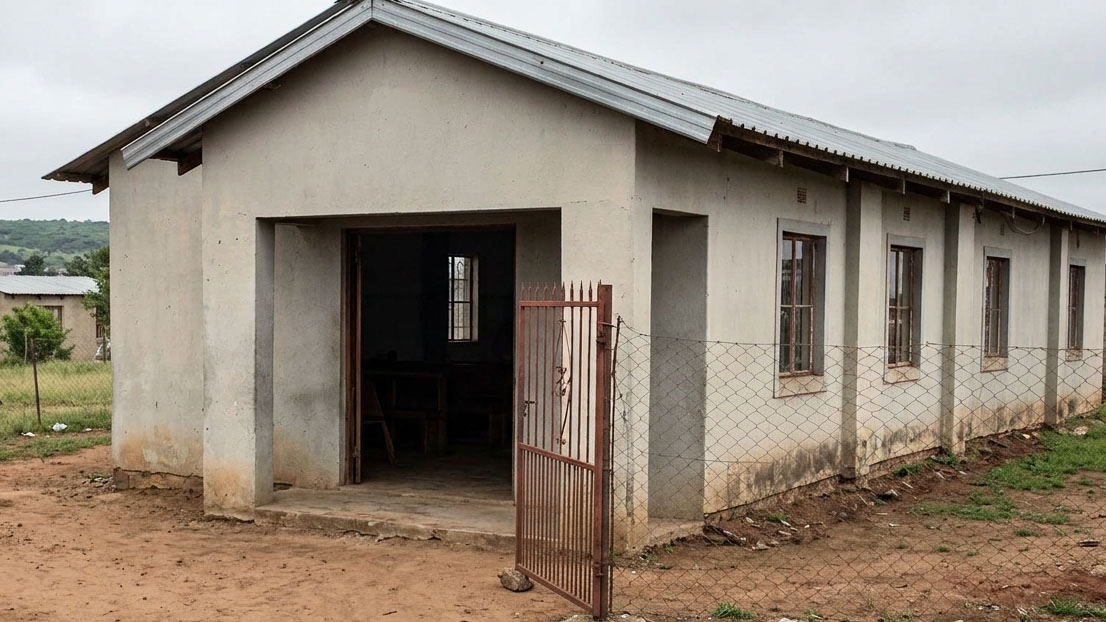
A mother sends her daughter to church, believing she is going to a place of prayer, healing and safety. A young woman walks into a sanctuary carrying burdens she cannot share with the world, hoping to find comfort in faith. Families entrust spiritual leaders with their pain, secrets and vulnerability because they believe the church is a sacred ground. Therefore, what happens when the very place meant to protect becomes the place of greatest danger? What happens when the shepherd becomes the predator?
Eswatini is grappling with a story so horrifying that many struggle to comprehend it. The arrest of Pastor Nkosingiphile Zwane on rape and murder charges linked to the deaths of four women has shaken the nation. These are not allegations that sit lightly on the public conscience. They strike at the heart of trust, faith and community. How does a spiritual leader, someone entrusted with guiding souls, become the subject of such disturbing accusations? How do families process the unbearable possibility that women who may have sought prayer, counselling or refuge instead met violence and death? These questions linger heavily and they demand more than emotional reactions; they demand national introspection.
Churches hold a unique place in African societies, including Eswatini. They are more than buildings used for Sunday worship. They are centres of emotional support and moral guidance. Pastors occupy positions of immense influence; they are invited into family disputes, marital struggles, financial crises and moments of grief. Their words can shape decisions, beliefs and identities. That power can heal, but power without accountability can also destroy. This tragedy forces society to confront an uncomfortable truth: Religious authority is not immunity from scrutiny.
For too long, communities have treated religious leaders as beyond questioning. Why? Is it respect? Fear or cultural conditioning? Or is it a belief that challenging a pastor is equivalent to challenging God? Such thinking can create dangerous silence. When authority becomes untouchable, abuse finds room to grow. One of the most troubling aspects of abuse involving powerful figures is how often warning signs are ignored.
Were there whispers before this? Did anyone notice suspicious behaviour but chose to silence it out of fear, loyalty or uncertainty? These questions matter because crimes of this nature rarely happen in a complete vacuum. There are often patterns, rumours or red flags that communities fail to confront. Well, silence can be deadly.
Also, this case highlights the vulnerability of women in spaces where trust is expected. Women seeking spiritual guidance may already be emotionally distressed or socially isolated, making them especially vulnerable to manipulation. Predators can exploit trust before they exploit bodies. They gain confidence, establish authority and use spiritual language to suppress resistance. How many women remain silent because they fear disbelief? How many feel trapped by shame, guilt or community judgement? When survivors speak, society often asks the wrong questions. Instead of asking: ‘Why did she go there,’ perhaps we should ask: ‘Why do perpetrators feel emboldened to abuse trust?’
Victim blaming remains one of the greatest barriers to justice. Survivors are frequently interrogated more harshly than perpetrators. The choices they make, clothing, movement and relationships, become public discussion. Meanwhile, powerful men benefit from doubt and reputation. This imbalance must change. The justice system now carries a heavy responsibility. Justice is not only about prosecution; it is about restoring public confidence that no one is above the law. Whether one is a pastor, politician, businessman or even a community leader, accountability should be non-negotiable. The badge of authority cannot become a shield against investigation.
Having mentioned that, courts now carry a profound responsibility to deliver justice not only through legal procedure, but also through restoring dignity to the families whose lives have been shattered by loss. For the loved ones of these women, justice cannot erase grief or bring back those they have buried, but it can affirm that their pain matters and that the lives lost will not be reduced to mere headlines. Will the justice system rise to meet this moment with courage and fairness? The families deserve answers, accountability and that reassurance that the law stands firmly with victims, not perpetrators. This case is bigger than one man. It is about systems that enable abuse. It is about communities that confuse reverence with surrender and institutions that lack safeguards against exploitation. Churches, like all institutions involving power, need accountability structures. There must be transparent reporting mechanisms for misconduct and safeguarding policies where congregants can report abuse without fear.
Faith itself is not the problem; rather, the abuse of faith. Perhaps the most painful reality is the human cost behind headlines. Four women are not statistics. They had names, voices, dreams and loved ones. They were daughters, sisters and friends. Somewhere, families are grieving unimaginable loss; empty chairs at dinner tables tell stories no courtroom ever fully can. If places of worship can no longer guarantee safe places, where do the vulnerable turn?















Leave a comment