


Suicide remains one of the most pressing yet least spoken-about public health challenges in Eswatini.
Defined as the act of intentionally ending one’s life, suicide often stems from deep psychological pain, emotional isolation or life pressures that feel unbearable.
Yet, for every life lost, there are many more silent struggles attempts, thoughts and cries for help that often go unnoticed.
According to the Royal Eswatini Police Service (REPS), between 2021 and 2024, there were 387 suicide-related cases reported to health facilities across the country.
Alarmingly, between 2022 and 2025 alone, the number of completed suicides rose to 486, marking a 10 per cent increase. Even more distressing, 80 per cent of those deaths were men, with adults aged 25 and above representing the majority.
These figures place Eswatini second in the global suicide rankings, highlighting the urgent need for intervention.
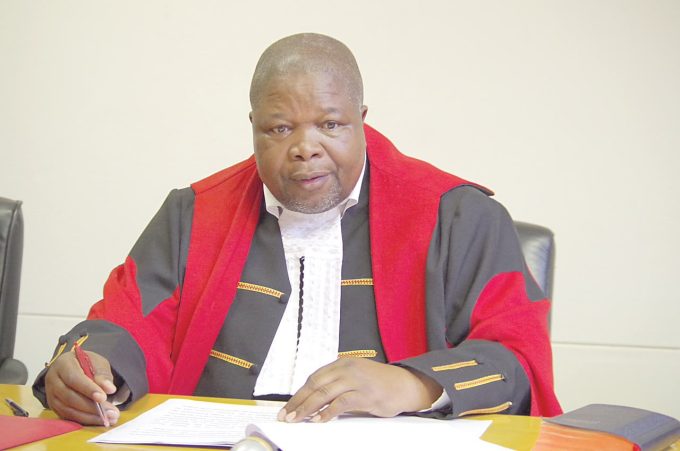
Psychiatrist Dr GS Matsebula, based at Akeso Randburg in South Africa and Ekuphileni Medical Centre in Mbabane, describes the situation as a growing mental health emergency.
“We are witnessing more cases of depression, anxiety and substance use, particularly among men who often feel unable to talk about their struggles,” he said.
Experts identify two types of suicide: Impulsive and non-impulsive.
Impulsive suicides occur suddenly after a distressing event, while non-impulsive cases are marked by planning writing wills, giving away possessions or leaving farewell messages. Both, however, share one thing in common: Silent suffering that goes unnoticed until it is too late.
The rise in suicide has been linked to unemployment, poverty, family breakdowns, untreated mental illnesses and substance abuse.
Men, in particular, are affected by what Dr Matsebula calls ‘restrictive emotionality,’ the inability to express emotions openly.
This emotional suppression often leads to aggression, substance misuse and poor mental health outcomes.
Warning signs can be subtle but crucial to recognise. Phrases such as ‘I’m useless’ or ‘What’s the point?’, increased isolation, substance abuse and changes in mood or social media behaviour can all be red flags.
… every conversation matters in saving life
To curb the crisis, Dr Matsebula urges a collective response: “We need to normalise conversations about mental health, train healthcare workers to identify risks early and fight the stigma that keeps people from seeking help.”
Rising suicide rates in Eswatini are not just statistics, they represent lives lost, families broken and communities in pain.
It is time to listen, speak and act. Because every conversation could save a life.
Specialist profile
Dr GS Matsebula is a Specialist Psychiatrist currently in private practice at Akeso Randburg (RSA) and Ekuphileni Medical Centre (Mbabane).
He is also a public speaker and mental health activist and regularly speaks on several platforms including media, public events and academic settings.


















Leave a comment