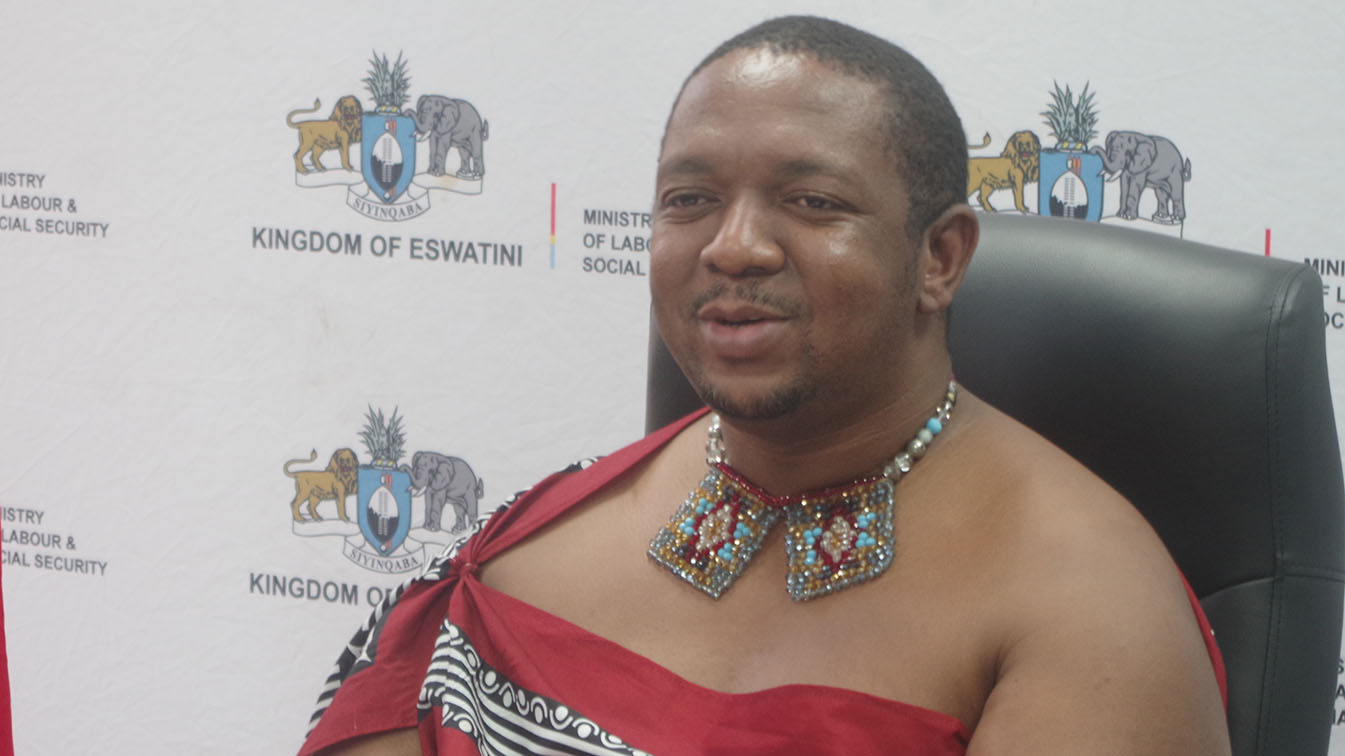
MBABANE – The Minister for Labour and Social Security, Phila Buthelezi, has called upon Wages Councils to negotiate for fair wages.
The minister made this appeal during the official announcement of 18 chairpersons and the establishment of wages councils from various sectors.
A wages council is a statutory body, typically comprising representatives of employers, employees, and independent members, established by government to determine minimum wage rates, holiday entitlements and working conditions within specific industries where collective bargaining is weak.
Buthelezi urged the chairpersons to consider the high cost of living, driven by the current inflation rate, while maintaining reasonable demands.
According to the Central Statistical Office CPI Report, Eswatini’s annual inflation rate stands at 2.7 per cent.
This rate, monitored by the Central Bank of Eswatini, has increased from earlier in the year, primarily due to higher costs of housing, electricity and transport. The minister advised the chairpersons to be honest and objective in their approach, focusing on what is feasible rather than what is impossible.
He emphasised the importance of moderation in demands, noting that money will always be a sensitive issue. It is therefore important that you enter negotiations with an open mind, recognising that negotiations are a give-and-take process. Care must be taken in managing the percentage increase, as money often stirs emotions.”
He further explained that salary adjustment negotiations are highly sensitive, with some individuals tending to blame the ministry regardless of the fact that recommendations are prepared by the relevant wages council before being submitted to the ministry for gazetting. Buthelezi also urged the wages councils to encourage employers not to adhere strictly to the gazette, but to engage in ongoing negotiations.
To employees, the minister emphasised the importance of efforts towards improved productivity, which ultimately influences salary increments in each sector. He reminded workers that their productivity is key to determining salary adjustments: “Productivity is considered for increments, so it is important that employees perform in line with expectations.”
The minister warned against standoffs during negotiations, highlighting their negative impact on beneficiaries and their dependents. He urged the chairpersons of the wages councils to report any challenges to the Principal Secretary and the commission promptly, should the need arise.
“The actions of the wages councils will always have an impact on both employees and employers,” he stated.
He wished the chairpersons a fruitful induction, which is set to commence on Friday. He encouraged them to utilise this opportunity to learn the best negotiation practices.
The minister also noted that the chairpersons are fortunate, as some of those appointed have previously served on the wages council, and expressed confidence that their experience would be advantageous.
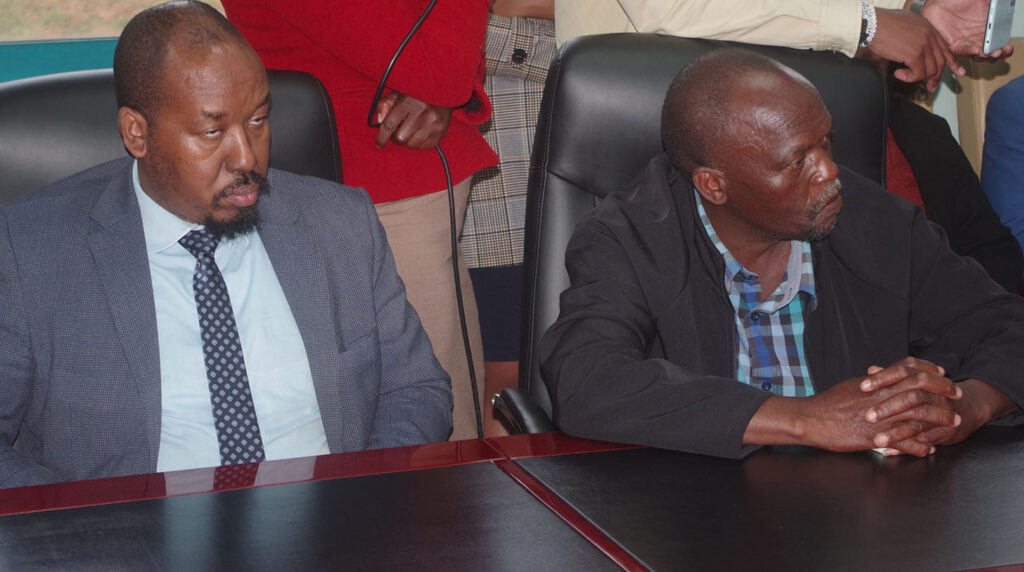
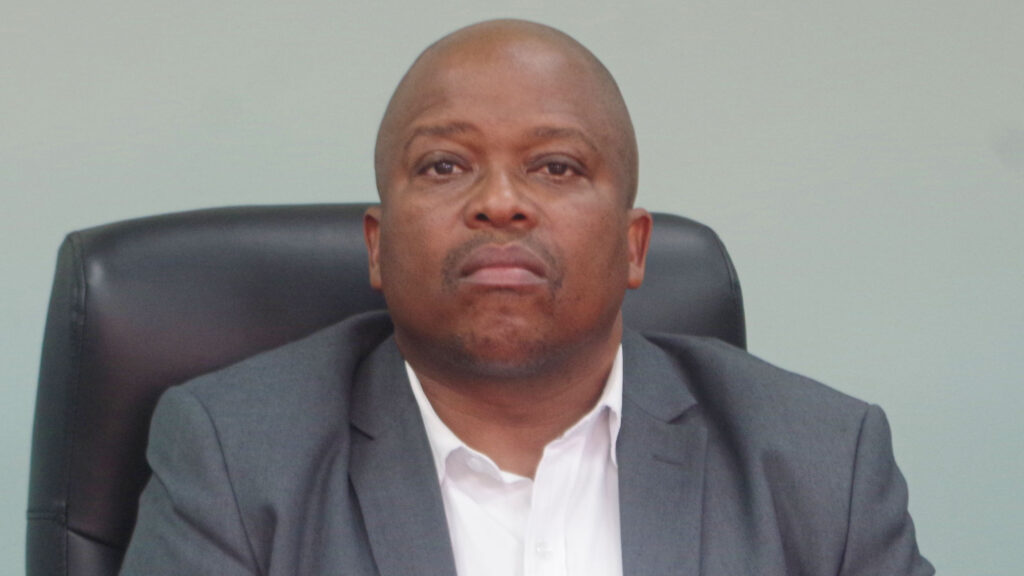
Magistrate Sihle Dludlu, speaking on behalf of the chairpersons, assured the minister that they would deliver according to expectations. Dludlu, who also served in the previous term, stated that their experience would be beneficial. It is worth noting that members of the wages councils do not receive fixed salaries; instead, they volunteer their services for the betterment of employees and employers in the country.