

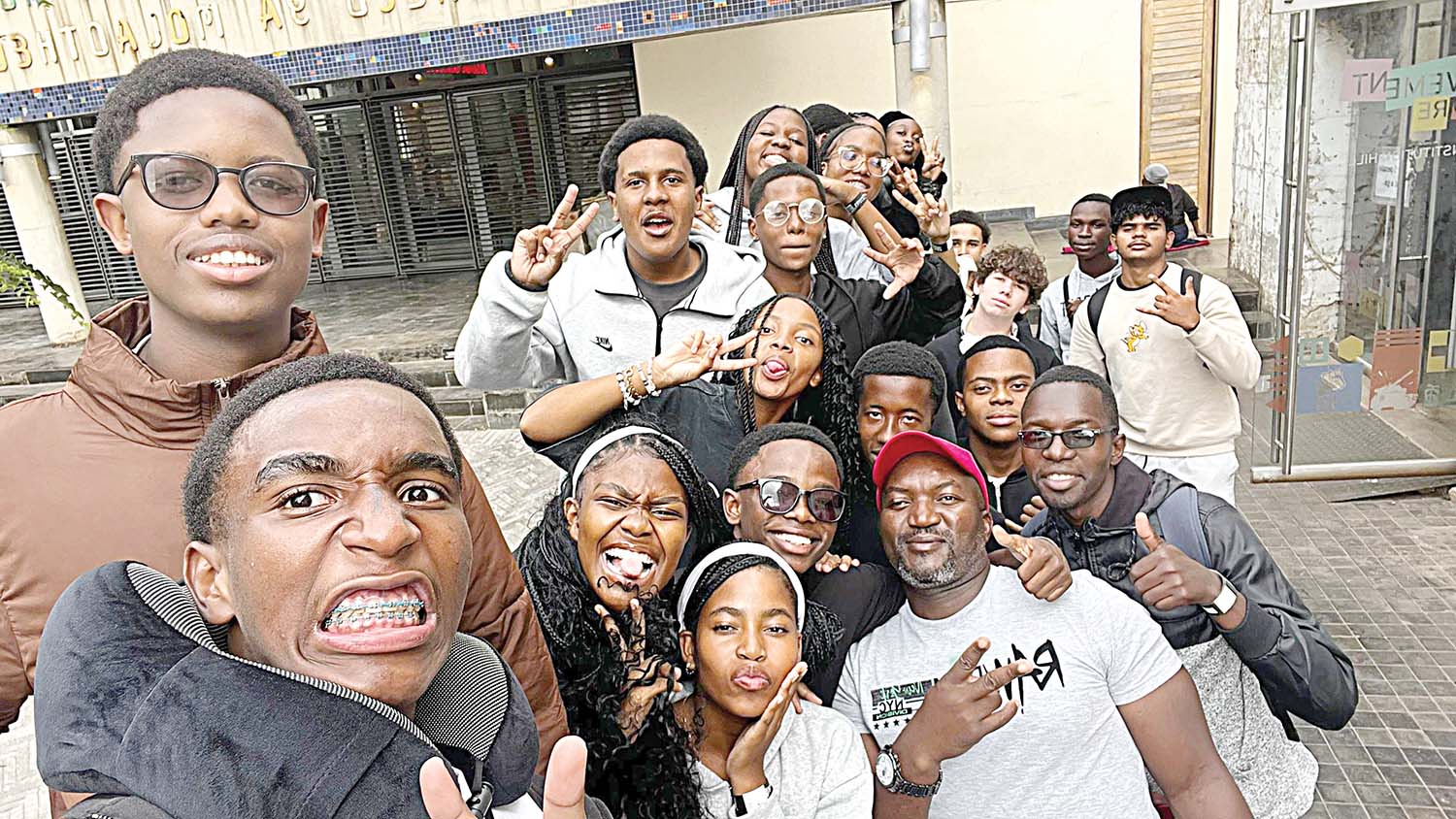
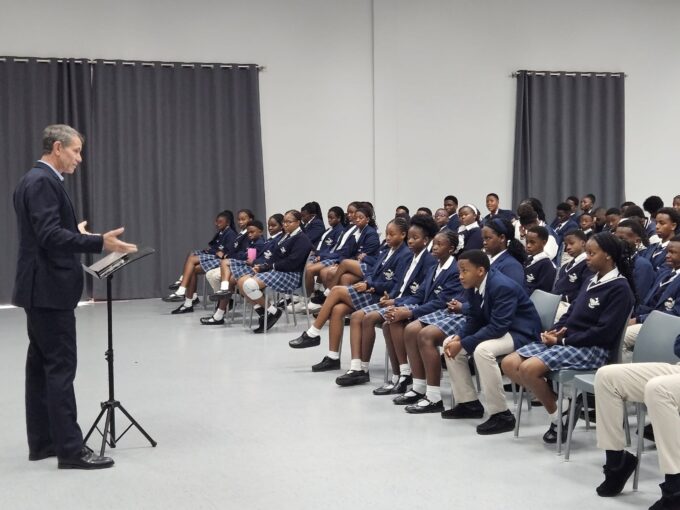
For many learners, history is something found in textbooks, examination papers and classroom discussions. However, for a group of Grade 11 history learners, history came alive in a way that no textbook could ever achieve.
The recent Maropeng Educational Tour to South Africa transformed lessons into lived experiences as learners embarked on a five-day journey through some of the most significant historical sites on the African continent. From museums preserving the memories of genocide and apartheid to the fossil-rich caves that tell the story of humanity itself, the excursion offered a powerful blend of education, reflection and discovery.
One of the highlights of the tour was the visit to the Johannesburg Holocaust and Genocide Centre. Here, learners explored exhibitions documenting the horrors of the Holocaust and the 1994 Genocide against the Tutsi in Rwanda. Beyond the photographs, artefacts and survivor testimonies, learners encountered a powerful message about the dangers of prejudice, discrimination and indifference.
The visit served as a sobering reminder that history’s darkest chapters were written by ordinary people making destructive choices.
For many learners, seeing personal belongings, family photographs and memorial displays made these global tragedies feel deeply human and impossible to forget.
The journey continued at Constitutional Hill, a place that captures South Africa’s painful past and democratic future in one location. Learners walked through former prison cells that once held political activists, including Nelson Mandela and Mahatma Gandhi. The stark contrast between the treatment of white and black prisoners offered an eye-opening lesson on the realities of racial segregation.
Standing inside South Africa’s Constitutional Court, built partly from materials of the old prison, learners witnessed how a nation can transform spaces of oppression into symbols of justice and hope.
No history tour would be complete without a visit to the Apartheid Museum and Hector Pieterson Museum. Here, learners traced the rise and fall of apartheid, while learning about the courage of ordinary South Africans who resisted injustice.
The story of the 1976 Soweto Uprising particularly resonated with many learners. Seeing the famous image of Hector Pieterson and learning about the thousands of young people who marched for educational rights highlighted the incredible role that the youth can play in shaping society. It was a powerful reminder that young voices have the ability to influence change far beyond the classroom.
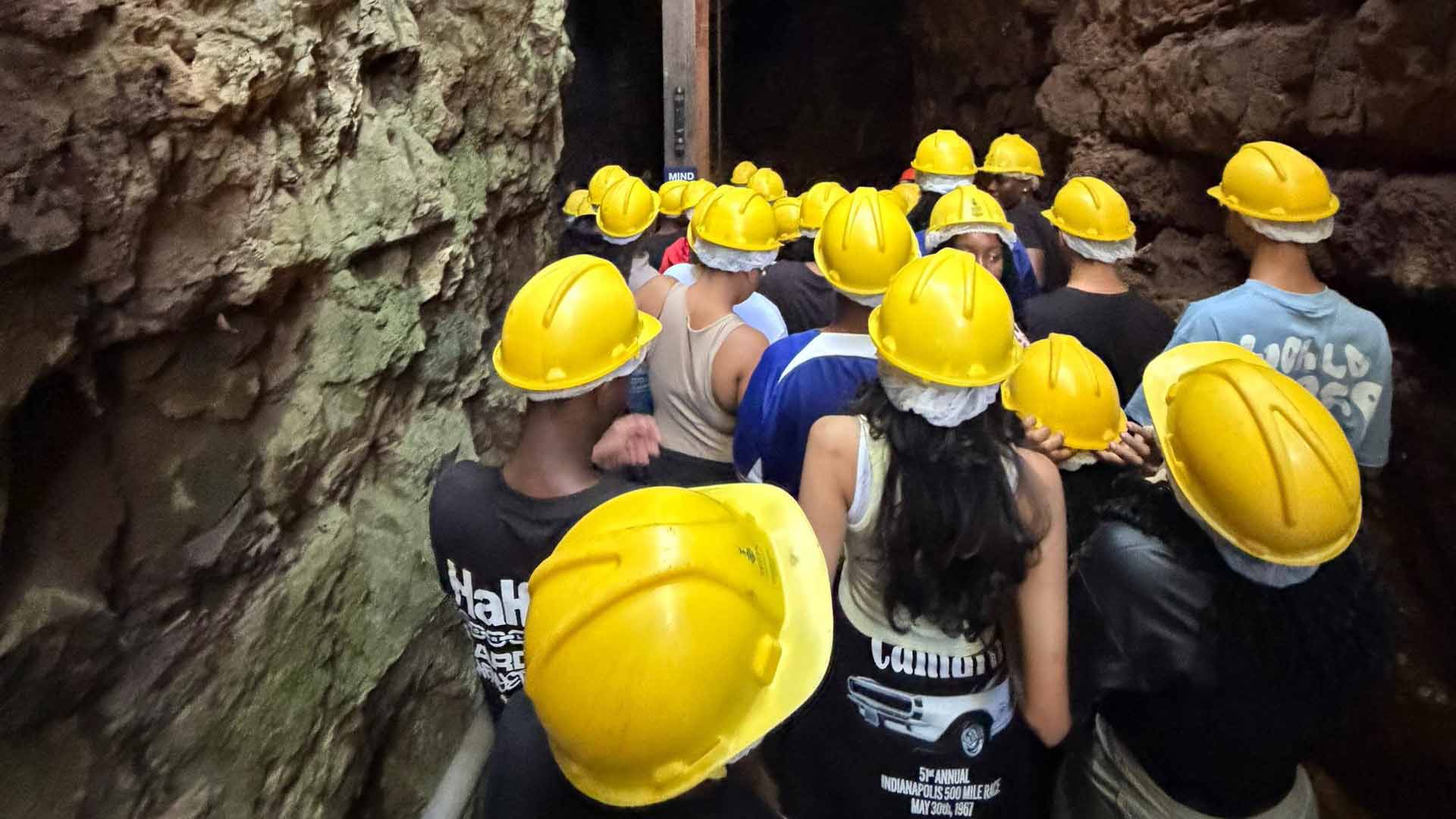
The final stop took learners even further back in time, millions of years, in fact. At the Sterkfontein Caves in the Cradle of Humankind, learners explored one of the world’s most important archaeological sites.
Discoveries such as Little Foot and Mrs Ples provided fascinating insight into human evolution and Africa’s central role in the story of humankind.
More than just a school trip, the Maropeng Educational Tour was an investment in experiential learning. It allowed learners to connect with history emotionally, intellectually and personally. By walking through the spaces where history unfolded, they gained a deeper understanding of humanity’s triumphs, struggles and resilience.
As the learners returned home, they brought back more than photographs and souvenirs. They returned with broadened perspectives, a greater appreciation of the past and valuable lessons about justice, equality and human dignity.
For these young historians, history is no longer just something they study, it is something they have experienced.










Leave a comment