

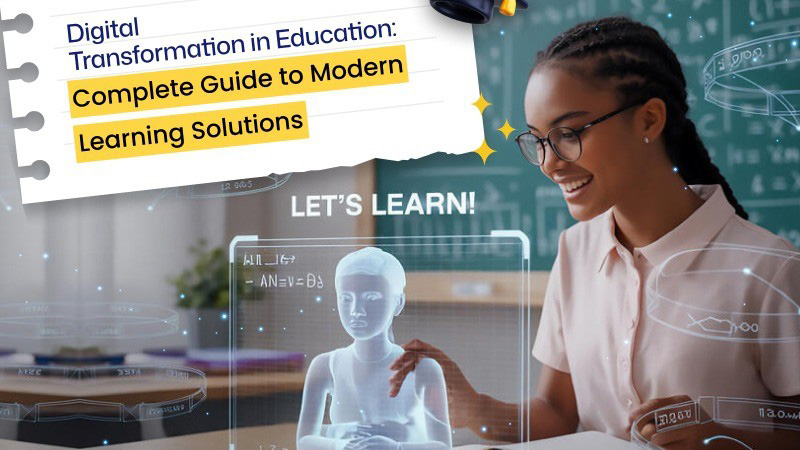
The educational landscape is undergoing a structural shift.
Driven by the national digitalisation strategy, ‘Government in Your Hand’ and accelerated by recent global trends, digital transformation is no longer a futuristic concept confined to urban boardrooms. It is actively redefining how knowledge is packaged, delivered and assessed across the kingdom. From primary schools navigating new ICT frameworks to tertiary institutions standardising digital quality assurance via regional UNESCO initiatives, technology is fundamentally reshaping the classroom. However, this digital migration brings a mix of new opportunities and stark operational hurdles that the country must carefully balance.
Integrating digital tools has begun to equalise access to high-quality learning resources. Traditional learning, long constrained by the scarcity and high cost of imported textbooks, is gradually giving way to dynamic, web-based libraries. For the modern liSwati learner, cloud infrastructure means supplementary material, interactive science simulations and revision modules are now accessible far beyond the physical confines of a school library. In higher education, the move towards blended learning allows institutions to scale enrolment without being bottlenecked by lecture hall capacities, creating flexible pathways for continuous professional development and micro-credentials.
Operationally, automation is finally dismantling the structural administrative drag that has historically slowed educational delivery.
For decades, educators spent considerable energy on manual, paper-based workflows, from tracking continuous assessment scores to managing physical student registries. The gradual introduction of central school management systems enables institutions to automate these routine tasks. This digital shift allows teachers to reclaim valuable time, shifting their primary focus back to classroom instruction, data-driven learner interventions and curriculum renewal.
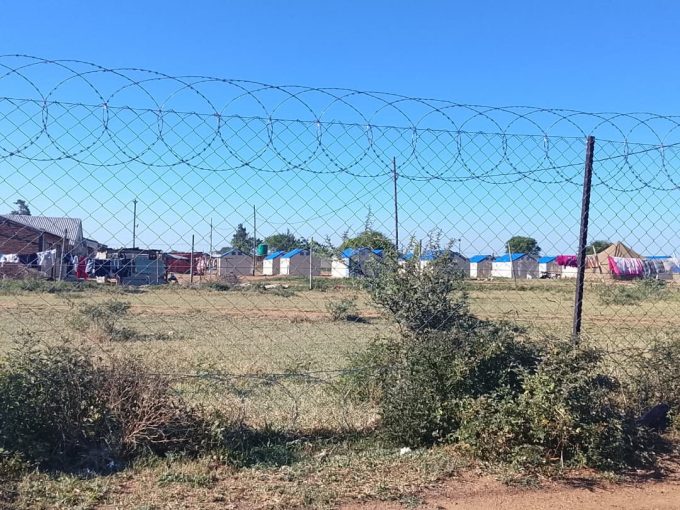
Yet, the true metric of Eswatini’s digital transformation lies in its inclusivity, and current progress exposes a stark geographic and economic divide. While schools within the Mbabane-Manzini corridor benefit from the rapid deployment of national fibre-optic networks and tech hubs, remote communities face a vastly different reality. For a learner in deep rural areas, high mobile data costs, inconsistent electricity and a lack of foundational hardware turn digital platforms into a source of exclusion rather than empowerment. The UNDP’s recent Digital Readiness Assessment highlights this reality: While Eswatini boasts a strong basic literacy rate of nearly 90 per cent, a severe digital skills gap remains among both the general population and educators.
Furthermore, over-reliance on automated systems introduces distinct cognitive risks. Emerging data reveals that while generative AI and digital shortcuts help students compile polished assignments, unassisted examination performances often decline when deep critical thinking and manual problem-solving are required.
Ultimately, digital transformation must be viewed as a tool to augment human instruction, not replace it.
As Eswatini prepares to host major continental forums like the Pan-African Conference on Teacher Education later this year, the national focus must move from mere technology acquisition to deliberate, equitable governance. Bridging the digital divide requires aggressive infrastructure investment in underserved communities alongside robust digital literacy training for educators.
By ensuring that technological adoption serves a clear pedagogical purpose, Eswatini can build a resilient, future-ready education system that leaves no child behind, regardless of their geographical location.
















Leave a comment