


For millions of WhatsApp users, sharing a phone number has long been the price of starting a conversation. That is set to change as Meta prepares to introduce usernames; a feature designed to keep personal numbers private while making it easier to connect online.
Meta has begun rolling out WhatsApp usernames, allowing users to connect using a unique handle, instead of revealing their mobile number. The company says the feature is designed to strengthen privacy for its more than three billion users worldwide, but cybersecurity experts warn that it could also create fresh opportunities for impersonation and online scams. The new system works much like usernames on other messaging platforms.
Instead of sharing a phone number, users can choose a unique username consisting of between three and 35 characters. Importantly, WhatsApp will not include a public directory, meaning people cannot simply search for random usernames. Instead, they must know the exact username before they can initiate a conversation.
Privacy advocates have largely welcomed the move. Keeping phone numbers private could significantly reduce unwanted contact, particularly for people selling goods online, professionals dealing with clients, or anyone communicating with strangers for the first time.
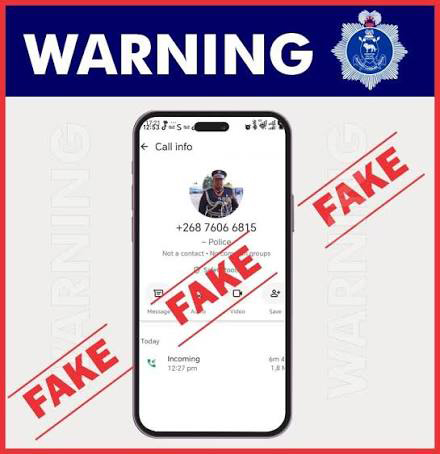
Critics argue that usernames could make impersonation easier, with fraudsters creating usernames that closely resemble those of trusted individuals, companies or public figures. Similar tactics have long been used on social media platforms, where subtle spelling changes often fool unsuspecting users.
Some governments have already raised concerns. In India, regulators recently asked Meta to delay the rollout while authorities assess the potential impact on digital fraud and user safety, highlighting growing international scrutiny of the new feature.
The company says usernames for celebrities, public figures and major organisations have already been reserved to reduce impersonation. WhatsApp will also not make usernames searchable, limiting the chances of strangers finding users at random.
In addition, users will be able to add an optional username key, providing another layer of protection before someone can start a conversation. Meta says it has also implemented multiple anti-scam measures, including restrictions on repeated attempts to guess usernames and limits on how many new people an account can contact within a given period.
How usernames will work
Once the feature is fully live, your username becomes the default way people contact you instead of your phone number. There’s an important detail here:
WhatsApp isn’t building a public directory or search function for usernames. People will need to know your exact username to message you for the first time.
There’s no browsing or recommendation system that surfaces your handle to strangers.
For extra protection, WhatsApp is also offering an optional username key, a short code that someone needs in addition to your username before they can reach you.
Your phone number still exists in the background for account verification, login and recovery. You just won’t be handing it out as your default identifier anymore.
Ultimately, WhatsApp usernames represent a significant shift in how people communicate on one of the world’s most popular messaging platforms. If Meta’s safeguards prove effective, the feature could offer users greater control over their personal information while making conversations with new contacts safer.


















Leave a comment