

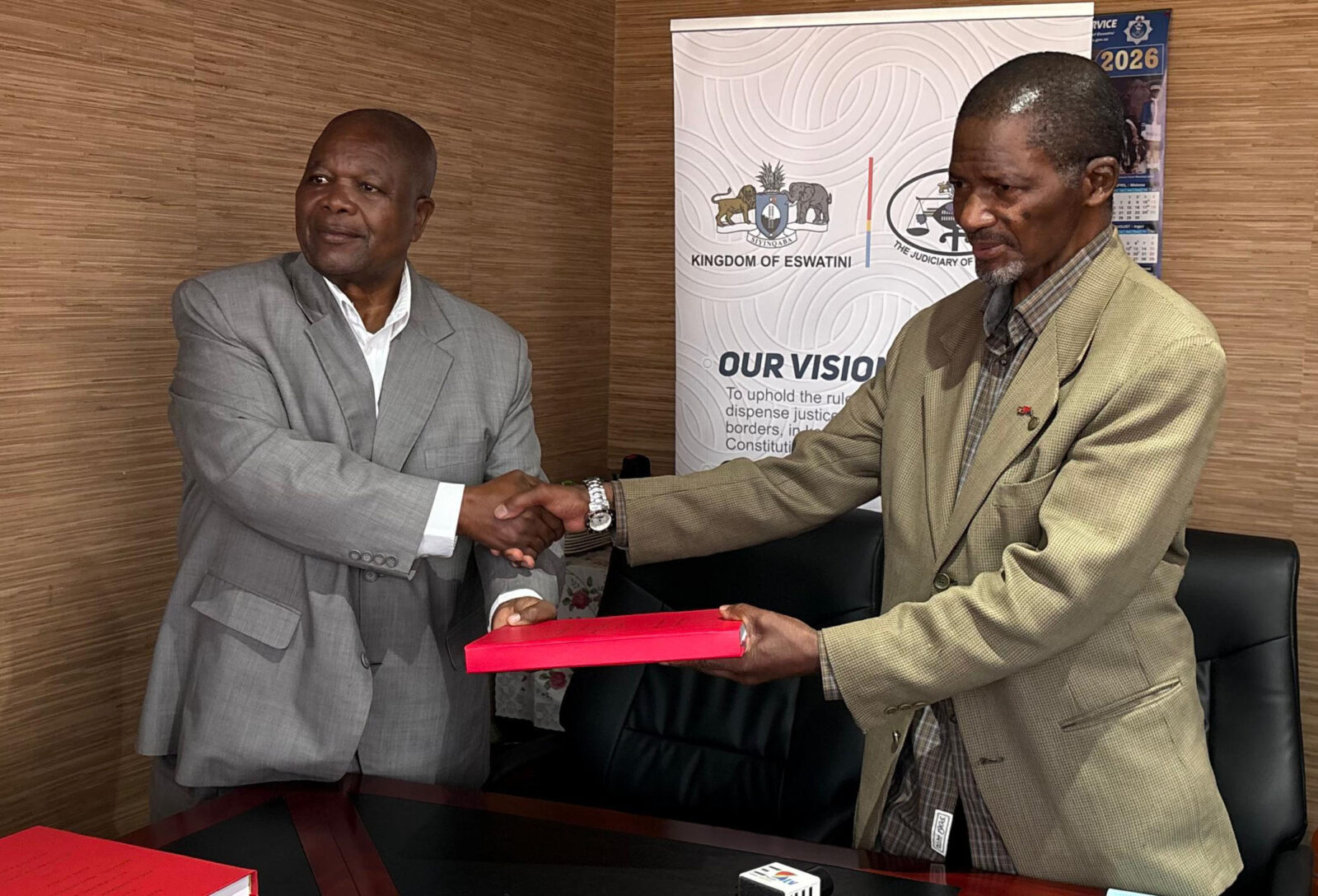
MBABANE – The Judicial Commission of Inquiry into allegations of malpractice in the Office of the Master of the High Court has recommended a lifestyle audit for employees of the office.
A lifestyle audit is an investigation that compares a person’s known income with their actual standard of living. It checks if spending habits, like expensive cars, large homes or luxury travel, match their declared earnings.
Governments and companies use it to find hidden corruption, fraud or tax evasion. The Majahenkhaba Dlamini-chaired Commission said its investigations revealed structural and administrative shortcomings within the Office of the Master of the High Court. It also recorded isolated instances of deviation and corruption that required further inquiry to establish the full extent of the irregularities. It stated that it was, however, difficult to conclude that the Master’s Office ‘is clean or not’.
Its findings identified weaknesses in the administration of estates and the general functioning of the office, which it said contributed to complaints and delays in the winding up of estates.
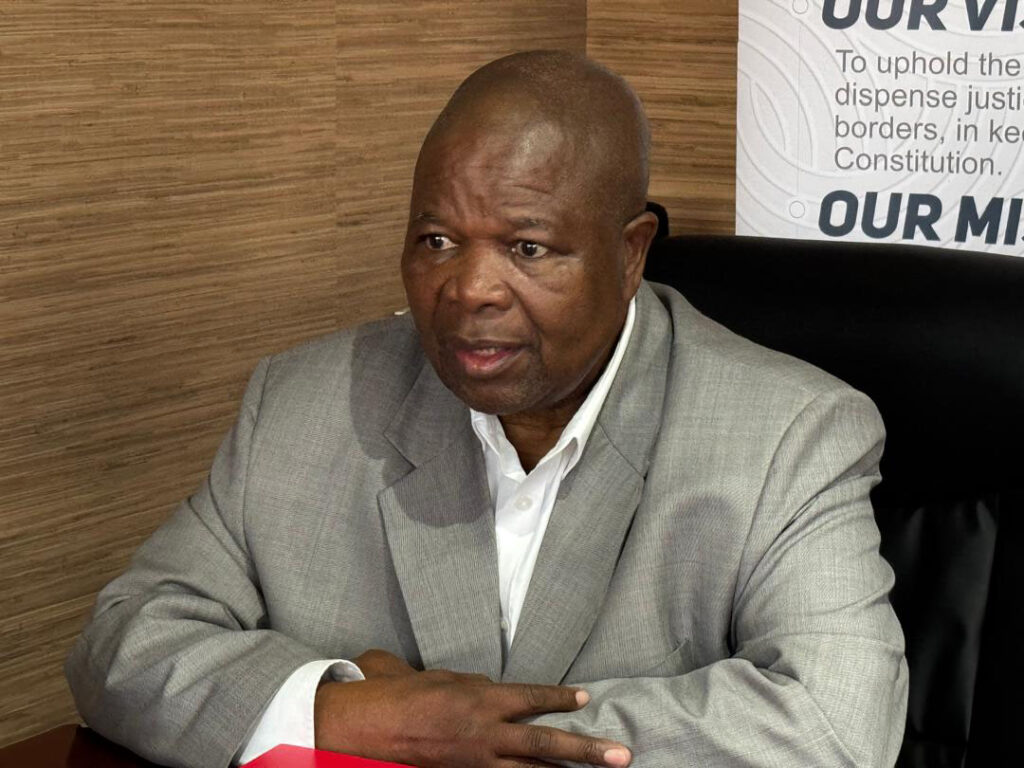
According to the report released to the public by Chief Justice Bheki Maphalala yesterday, the commission completed its inquiry into allegations of impropriety, maladministration and abuse of power within the Office of the Master of the High Court. The commission said its findings largely concerned the organisational operations of the Master’s Office, despite it operating under challenging conditions.
To fulfil its mandate, it relied almost exclusively on complainants coming forward with specific allegations. Without direct factual accounts implicating the Office of the Master, the commission lacked the means to directly confront the master on relevant issues.
Overall, the commission’s findings highlighted systemic issues within the organisational operations of the Master’s Office. Most grievances from beneficiaries and the public resulted from structural, administrative and operational inefficiencies rather than isolated misconduct alone.
“These internal deficiencies frequently manifest as severe delays in the winding up of estates,” reads the report. It also states that to ensure legal compliance and avoid such bottlenecks, the commission emphasised that executors must face continuous accountability and oversight from the Master’s Office.
“The facilities are severely cramped and lack adequate accessibility, posing significant hurdles for visitors, particularly elderly individuals. This lack of space compromises the physical security and integrity of critical legal documents, files and wills entrusted to the master.
Regarding systemic integrity, the evidence gathered makes it difficult to definitively declare the Office of the Master as entirely corrupt or clear. However, the inquiry did uncover isolated instances of deviations and corruption. These specific irregularities, according to the report, warrant stringent, immediate action by the master through further targeted investigations to determine the full scale of the misconduct.
The issue of the lifestyle audit is one of the 42 recommendations made by the Commission in its 487-page report.
Other members of the commission were Judge Sifiso Nsibandze, who deputised for the Chairman, Majahenkhaba, a retired judge of the Supreme Court. Members were Judges Mzwandile Fakudze, Maxine Langwenya and Lorraine Hlophe.
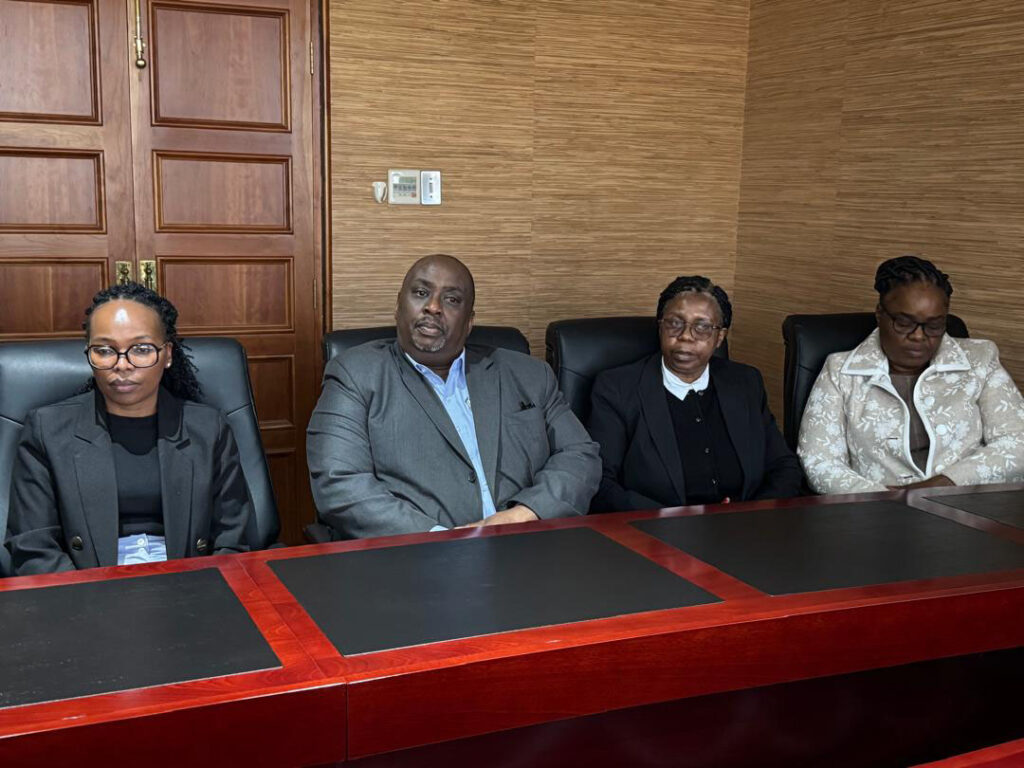
The commission was established in January 2024 to investigate allegations of impropriety, maladministration and abuse of power at the Office of the Master of the High Court.
It was established by the Chief Justice under Section 139(5) of the Constitution to investigate concerns relating to the administration of deceased estates, the Guardian’s Fund, the appointment and supervision of executors, accountability, efficiency and other operational matters within the Master’s Office.
The report contains the commission’s findings, observations and recommendations following extensive hearings, stakeholder engagements and reviews of matters brought before it.
Among the areas addressed are improvements to accountability and oversight, legislative reform, stronger supervision of executors, improved records management, decentralisation of services and payments, staff development, security of records and the computerisation of the Master’s Office.
The recommendations cover the administration of customary and deceased estates, the supervision of executors, staffing, financial controls, records management and the protection of beneficiaries.
On customary estates, the commission recommended that traditional authorities be empowered as required by law to administer such estates. It further recommended that there should be no discrimination between widows regarding the marital home and that businesses situated on Swazi Nation Land should be properly regulated, including their distribution.
The commission also recommended that the issue of fostering be considered and that disputes involving sugar quotas be addressed by the regional administrator where necessary. It called for consideration of the fact that customary law is gradually changing and for consideration of what should happen when an attorney misuses an estate’s property or funds and subsequently dies.
The commission also identified a potential conflict of interest where attorneys act both as executors and as legal representatives of estates. It is recommended that the issue be considered, including what should determine the fees payable to attorneys in such circumstances.
A central recommendation concerns the supervision of executors. The master should ensure that executors provide periodic reports before submitting the final Liquidation and Distribution Account. The commission recommended that the Master’s Office should have a legal officer to deal with complex issues, including company shares forming part of estates and to follow up matters involving estates that are pending before the courts.
The Registrar of Companies was also recommended to establish guidelines and procedures for the management and transfer of shares and related matters when a shareholder or director dies. The report states that shares belonging to a deceased person and their value should be declared as assets forming part of the estate.
The commission recommended that the master should have power to subpoena the next of kin to attend meetings relating to estates. Where they refuse to attend, the master should seek assistance from the police to enforce the subpoena.
The report also calls for the computerisation of the Master’s Office file management system to improve data capturing and file management and to expedite the administration of estates. Executors should be based in Eswatini to facilitate the winding up of estates.
The commission further recommended thorough scrutiny of documents submitted for payments to prevent money being paid to people with identical names and surnames. Staff rotation and periodic training were also recommended.
The commission recommended the introduction of legislation regulating trusts and said the master should take the provisions of the Children Protection and Welfare Act into account whenever minor children are involved. It further called for the master to adopt a follow-up policy for matters pending in court.
Payment processing was identified as an area requiring decentralisation. The commission recommended that payments be processed at regional offices and that the accountant general deploy senior accounts personnel to the Master’s Regional Offices. Additional staff were recommended for the busiest offices, while the qualifications of Master’s Office personnel should be upgraded through appropriate training.
The master and deputy master were recommended to conduct rotational supervision visits to regional offices. Estate and late bank accounts should also be regulated.
The commission recommended that the Master’s Office conduct civic education and improve security to safeguard employees and documents. It further called for strongrooms and safes to be provided for files and wills. The Wills Act should be upgraded, according to the report. It also recommended that an attorney who is an executor should relinquish the executor position if appointed as a magistrate or judge.
The lifestyle audit recommendation applies to officers of the Master’s Office.
The commission also made recommendations concerning the protection of surviving spouses and children. It recommended that a matrimonial home should not be sold, disposed of or distributed without the consent of the surviving spouse and should remain available for the surviving spouse while alive. Children who were supported by the deceased should continue to receive maintenance until reaching maturity age.
Estate property unclaimed by anyone under common law or held in the Guardian’s Fund should, under the recommendation, revert to the State after 25 years.
The report also recommended that the chief justice and attorney general formulate guidelines to assist the master in distributing certain assets in customary law estates. It stated that the devolution of homes in customary estates under customary law should not be changed, but the guidelines should stress that the surviving spouse should assume the home.
Customary estates involving company shares or privately owned property should, according to the recommendation, be administered by the master and inkhosana.













Leave a comment