

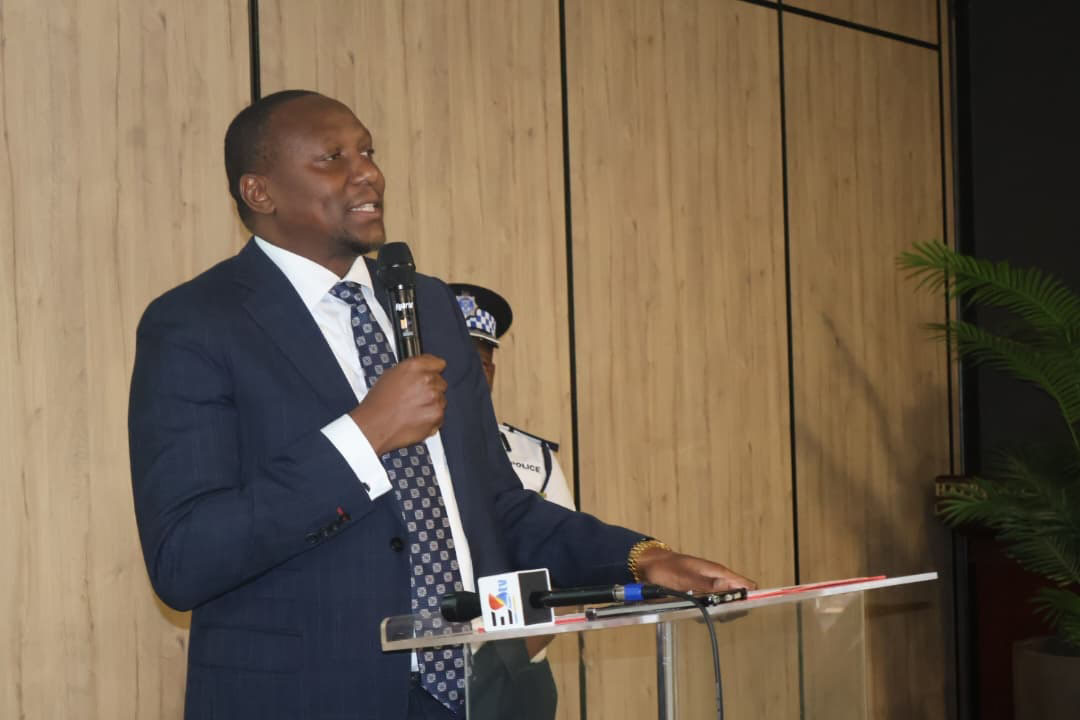
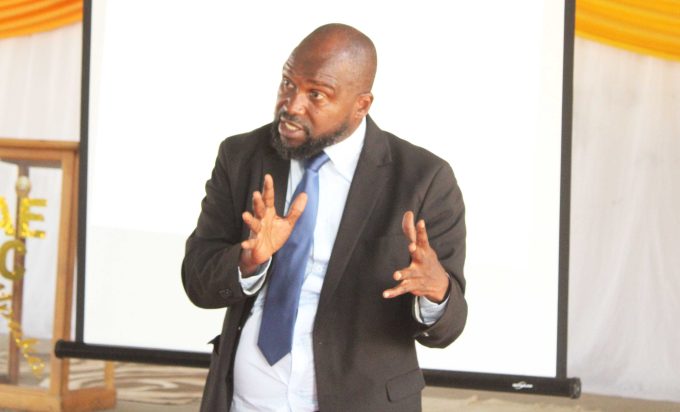
EZULWINI – Prime Minister Russell Mmiso Dlamini says the current parliamentary proceedings do not meet the standard of legislative debate.
The PM criticised the parliamentary proceedings, saying what is called debate in Parliament is not actually what is expected of legislators.
He said, instead, legislators shout and make personal attacks that do not constitute genuine legislative debate.
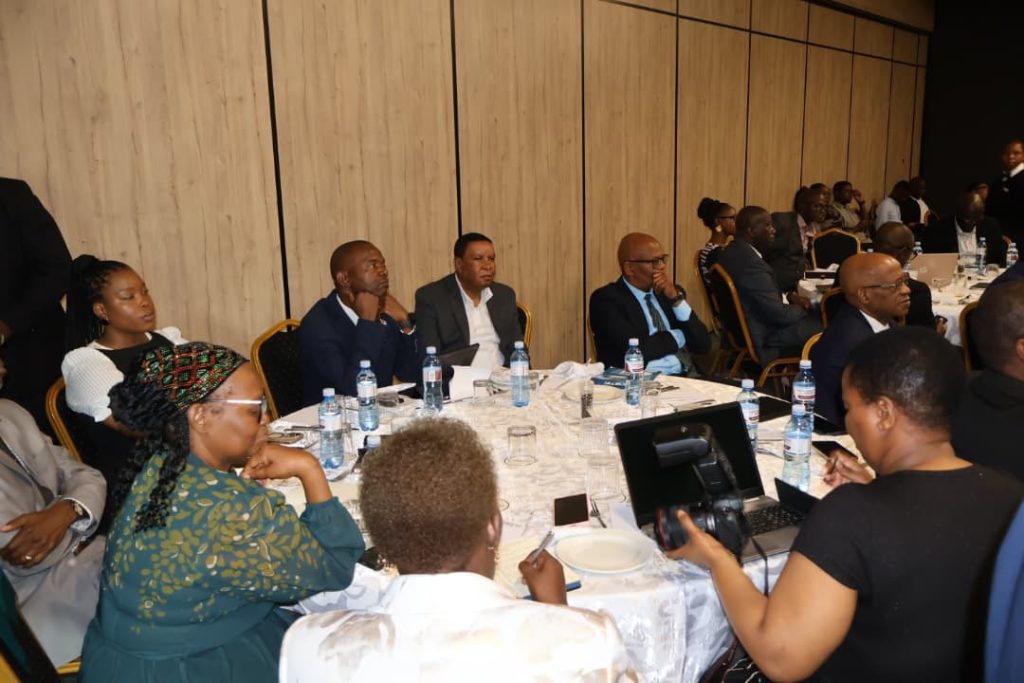
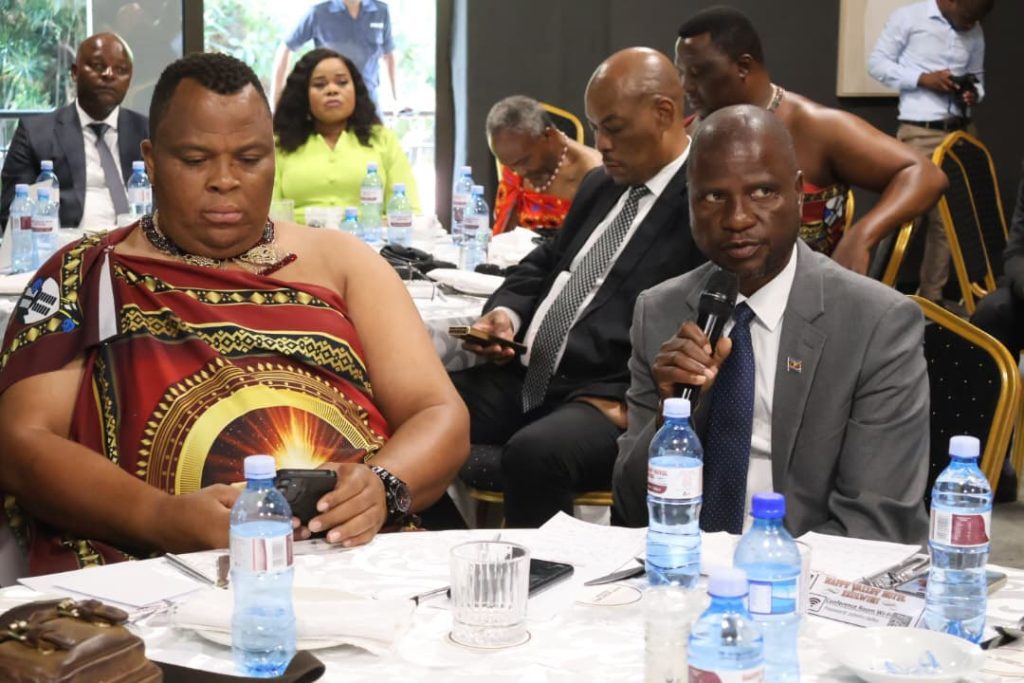
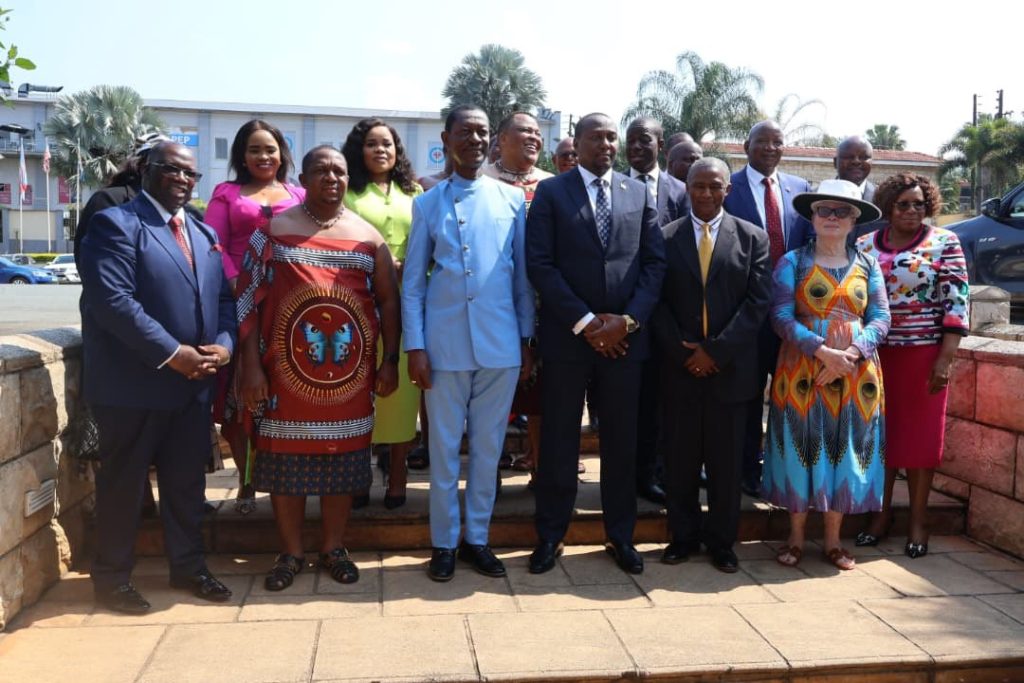
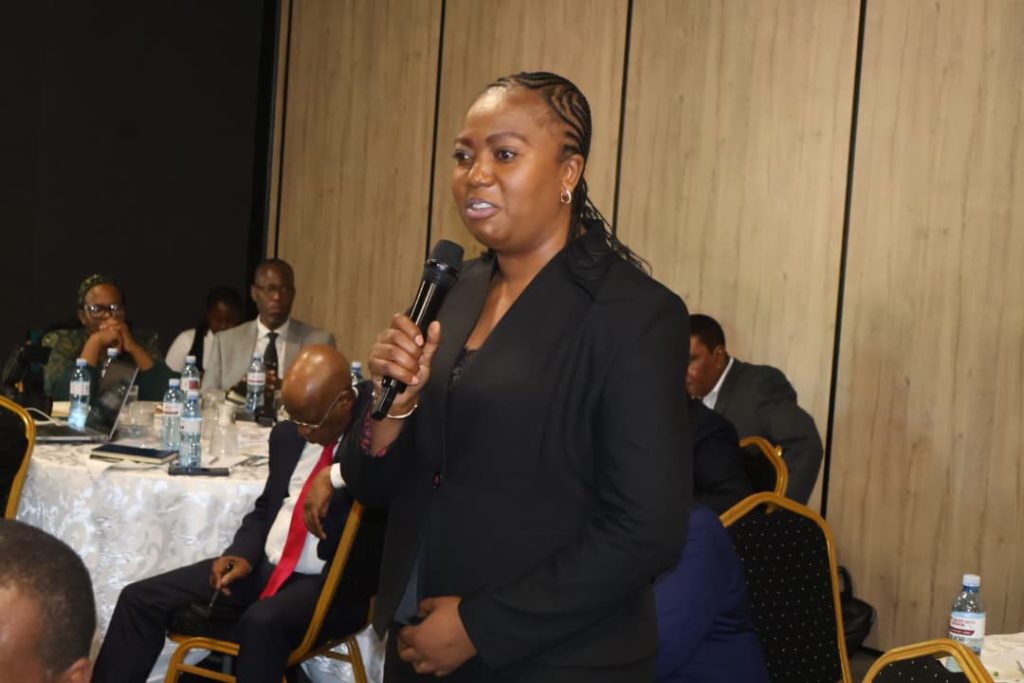
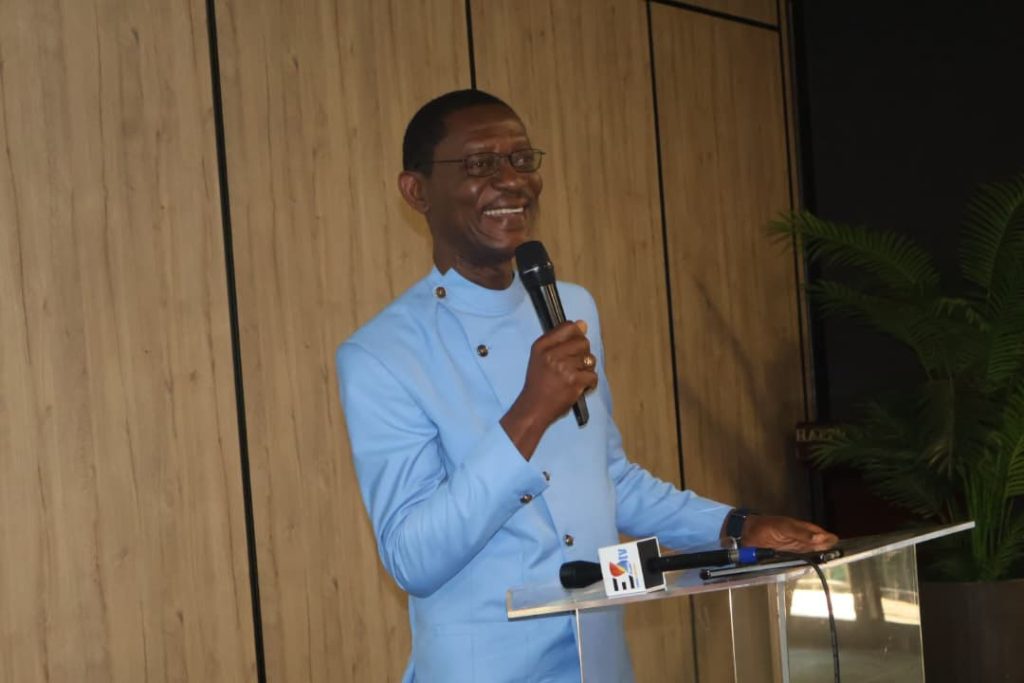
The PM made these allegations during the Kingdom Leadership and National Transformation meeting at the Happy Valley Hotel yesterday.
The meeting was hosted by Campus Crusade for Christ Eswatini.
During the engagement, the PM expressed strong disapproval of the current conduct within Parliament.
He noted that lawmakers often mistake noise and hostility for constructive dialogue.
“Even what we call debate in Parliament is not a debate. We just rise, shout, make noise, insult, attack personalities and we call that a debate. It’s not a debate,” he said.
He said true parliamentary engagements should focus on discussing constructive ideas aimed at national development and nation-building.
Dlamini cautioned that the current environment lacks the necessary maturity and civility required to serve the country effectively.
“What we need is civilisation,” he added, calling on parliamentarians to understand their core purpose and prioritise the nation’s greater good over self-serving interests.
Meanwhile, during his main address Dlamini issued a stern call to action, demanding lawful disruption of inefficient systems to drive national economic transformation.
He stated that while no policy framework is beyond improvement, current governance structures provide a solid base for progress, requiring principles to be translated from mere aspirations into disciplined action.
Emphasising a crucial crossroads for Eswatini, Dlamini warned that the nation faces a choice between continuing to manage present limitations or summoning the courage, imagination and discipline required to build a greater country.
He noted that Africa has long possessed extraordinary wealth including land, minerals, energy resources, human capital and markets yet its people have remained spectators to exploitation while looking abroad for solutions that lie within native hands.
Declaring that this mindset must change, Dlamini asserted that development cannot be imported indefinitely. He said while foreign investment and international partnerships remain necessary, they must complement rather than supplant national effort, making emaSwati the principal authors, investors and beneficiaries of their own development.
Dlamini also aligned his address to the royal mandate, highlighting instructions from His Majesty King Mswati III urging the country to think boldly about development, industrialisation and capital mobilisation.
He stated that national transformation begins in the mind and requires renewed national confidence, welcoming foreign technology and knowledge while building internal capacity to own, finance and grow productive assets.
He warned against relying on imported political or economic models, stating that history offers no assurance of their success and that institutions only endure when they command legitimacy, uphold justice, protect human dignity and respond faithfully to national culture and circumstances.
Consequently, he called for the lawful and purposeful disruption of structures that serve themselves rather than the people.
Addressing the political discourse, the prime minister condemned perpetual consultation, personality recycling and the degradation of public debate into insults, threats and division, stating that while difference of opinion is healthy, contempt is not.
He stated that national interest must override personal, political and institutional ambitions. He warned that no national renewal can survive pervasive corruption, which consumes vital resources intended for education, health, infrastructure and job creation.
“We cannot build a great nation where public office is treated as an avenue for private enrichment. Integrity must cease to be merely a virtue we commend in speech,” Dlamini stated.
He demanded that integrity become the binding operational standard for governance, leadership, procurement, employment and public business.
Dlamini anchored Eswatini’s transformation upon cultural respect, institutional integrity, patriotism and faith in God, while calling on the church to actively shape citizens of truth and compassion alongside government effort.
Dlamini on the broader economic pivot, he urged a decisive move from dependency to productivity, consumption to production, importation to manufacturing, raw material exports to value creation and stagnation to progress.
The prime minister expressed confidence that the engagement would challenge assumptions, broaden national thinking and strengthen Eswatini’s resolve to own its prosperous future under divine providence.
During the meeting, the keynote address was delivered by Senior Vice President of Campus Crusade International Professor Delanyo Adadevoh.
Professor Adadevoh reflected on his previous visits to the kingdom in 1986 and 2002, including meeting His Majesty King Mswati III.
The professor recommended that nations adopt generational plans rather than rely solely on standard three-to-five-year strategic plans.
He noted that while countries often prioritise financial and technological advancement, they frequently neglect human development.
“A vision for a new Eswatini must include a vision for a new emaSwati,” Professor Adadevoh said. He emphasised that sustainable progress relies on renewed citizens who can build robust institutions.
He highlighted that several highly developed nations experience elevated suicide rates because economic success without a moral foundation leaves citizens feeling unfulfilled.
To prevent this, he called for a clear, nationwide moral framework built on four essential values, beginning with God-centredness.
Defining God as the ultimate absolute, he explained that human virtues such as wisdom, gentleness and forgiveness stem from internalising God’s unchanging character.
He noted that without this absolute foundation, values remain entirely subjective.
Regarding the second value, positive self-identity, he encouraged Africans to take pride in their heritage and reject the practice of seeking validation through ties to other regions like Israel.
He stated that historical evidence shows the 72-person family of Israel expanded into a nation during their 432 years in Egypt, meaning Israel effectively emerged from the womb of Africa.
Addressing personal integrity, Professor Adadevoh defined it as maintaining consistency between public and private behaviour. He warned that a lack of integrity inevitably causes institutional failure.
Recalling an incident in Mali where travellers bribed airline staff for extra baggage and security clearance, he stated that even well-managed organisations like Ghana Airways ultimately collapse when citizens lack integrity and patriotism. He also observed that some individuals in Southern Africa alter their behaviour around European foreigners due to a lingering settler mentality rooted in historical resource division, stating that true integrity requires consistency regardless of the situation.
He also noted that while communal bonds are strong within specific ethnic groups, such as his own Ewe ethnic group in Ghana, inter-ethnic relations are often strained by past rivalries and competing interests. He concluded that for African nations to achieve broad development, citizens must expand their sense of community beyond ethnic and national borders.












Leave a comment