


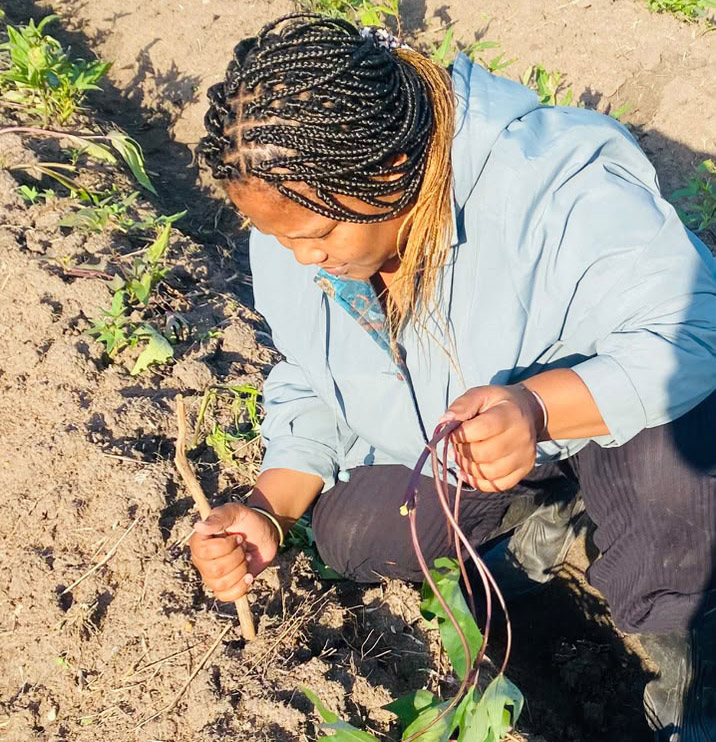
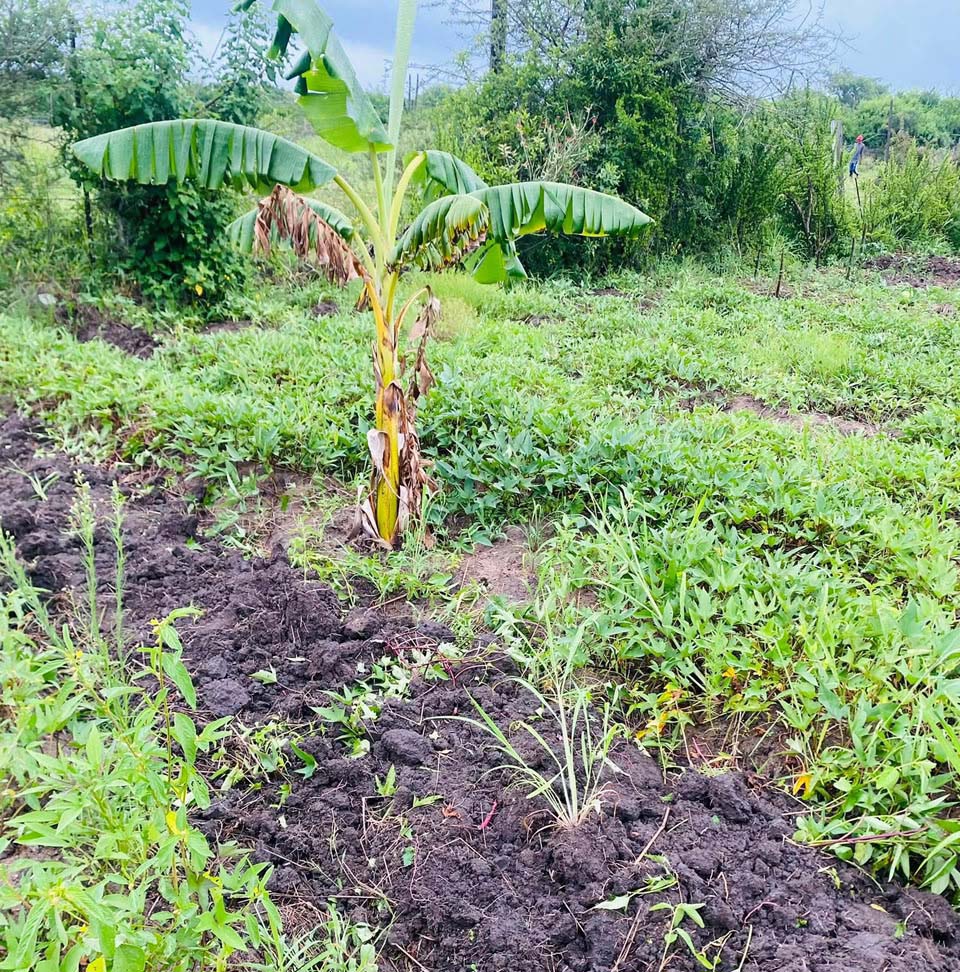
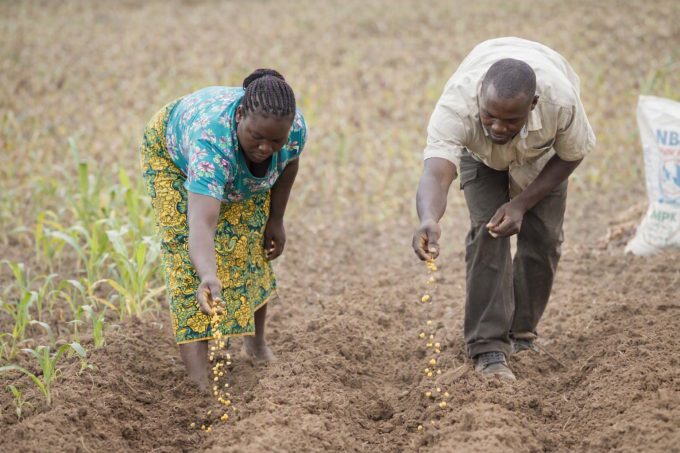
“Farming has taught me to see myself as a job creator rather than a job hunter,” says the visionary founder of iNala Farm Mary Howard. Once known strictly as a corporate professional, she successfully traded her office desk for the fertile soils of Mafutseni. Her journey into agriculture officially began with a one-hectare maize plot. After a highly successful harvest, she realised that growing food could be more than just a passion, it could become a thriving business.
Her deep personal background shapes every corner of the farm. As a Traditional Herbalist, she holds a profound reverence for healthy living and natural ecosystems. She believes in eating food that is grown, raised or foraged by hand. This philosophy heavily inspired her to name her business iNala, which translates to ‘abundance’. It is a deeply meaningful choice for her, as it is also the name of her beloved daughter.
Engineering a modern agribusiness
Today, iNala Farm is rapidly scaling up into a structured commercial powerhouse. The operation is currently centred on a 0.5-hectare tomato production project utilising advanced, climate-smart protected production methods.
To overcome severe local water scarcity, she has proactively designed a comprehensive Climate-Smart Water Supply System. Once fully funded, this infrastructure will protect her crops and provide clean water access to her homestead and surrounding community members. Her mindset completely shifted after undergoing intensive training with the Woman Farmer Foundation under the Innovative Climate-Smart Youth Tunnel Training. Through this programme she mastered sustainable techniques such as:
- Composting to naturally enrich the soil
- Mulching to suppress weeds and conserve vital moisture
- Eco-friendly pest management to handle challenges like rabbits and birds safely
The turning point
She knew she wanted to do this for life when she walked onto the grounds of the Woman Farmer Foundation, as it gave her a brand-new perspective. She realised she could combine farming with her love for youth advocacy and climate action.
It is not always easy. Water scarcity is a huge issue in her community. Plant pests like rabbits and birds also cause trouble. She handles these problems by starting small, studying sustainable pest control and looking for strong business partnerships.
Visualising the value chain
Now, she is using that high-level economic expertise to build a business that breaks down those exact barriers. She envisions iNala Farm as a diverse enterprise that will scale into livestock, fruit trees and value-added packaging. Her ultimate goal is to create stable jobs and prove to the youth that agriculture is a highly viable corporate career. For aspiring farmers, she offers a powerful piece of advice: “Start where you are, but don’t remain where you started. You don’t need hundreds of hectares to begin. What matters is that you start learning, producing and reinvesting.”















Leave a comment