

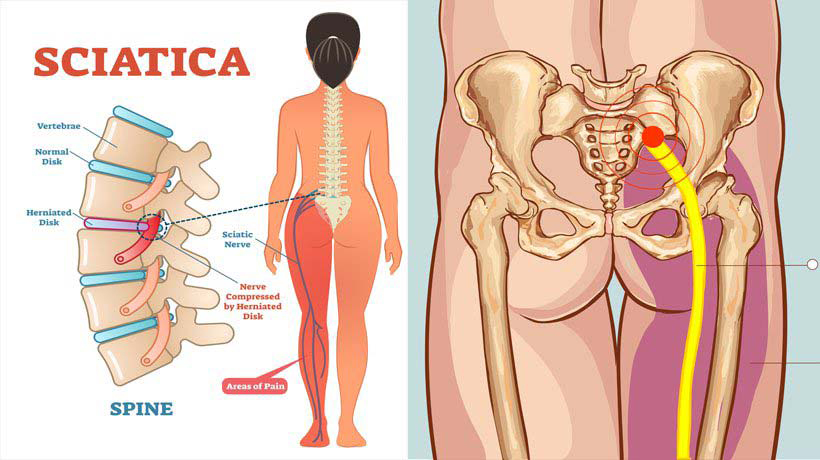
Sciatica; a radiating pain along the longest nerve in the body, is a health hurdle that many face, yet few fully understand. Interestingly enough, sciatica triggers often intertwine with factors unique to women’s bodies. But knowledge is power; as per Brown Health, nearly 40 per cent of people experience sciatica at some point. This makes learning its causes, warning signs and treatment solutions essential for ‘backing’ your spinal health. Doctor Ndabenhle Dlamini helps us unpack what every woman should know about sciatica – from why your hormones might be playing a role to the stretches that can bring relief.
Sciatica isn’t a condition; it’s a symptom
“Sciatica is often misunderstood as a standalone issue, but it’s actually a sign of an underlying problem, reports Harvard Health. The pain radiates along the sciatic nerve, which stretches from your lower back through your hips and down each leg. This discomfort typically occurs when something, like a herniated disc, bone spur or spinal stenosis compresses or irritates the nerve. Think of it as your body’s alarm system: The pain is a signal to investigate the root cause, not mask it with painkillers.
Why women are especially prone to sciatica
While sciatica affects all genders, women face unique risks. Pregnancy is a key example: as the uterus expands, it can press directly on and pinch the sciatic nerve, particularly in the second and third trimesters. Hormonal changes during pregnancy also loosen ligaments, which can destabilise the pelvis and spine, as WebMD explained. Additionally, the piriformis muscle; a small muscle deep in the buttocks can spasm or tighten in women who sit for long hours (desk jobs), irritating the sciatic nerve. Conditions like endometriosis or ovarian cysts may also contribute to nerve pressure, though this is less common.
Sciatica symptoms aren’t just ‘bad back pain’
Sciatica announces itself in unmistakable ways. Unlike general back pain, it often feels like a sharp, electric shock shooting down one leg. You might also experience numbness, a ‘pins and needles’ sensation, or weakness in the affected leg. The pain usually worsens when sitting, coughing or sneezing.
Risk factors of sciatica
Age, genetics and pregnancy are unavoidable risks, but lifestyle plays a huge role. Excess weight strains the spine, while a sedentary lifestyle weakens core muscles that support your lower back. Diabetes also raises the risk, as high blood sugar can damage nerves over time. The good news? Strengthening your core, staying active and maintaining a healthy weight can significantly reduce your odds of flare-ups.
Getting diagnosed with sciatica
If you suspect sciatica, a doctor will likely start with a physical exam, checking reflexes, muscle strength and pain triggers (like the ‘straight leg raise’ test). For persistent cases, imaging tests like MRIs or CT scans can reveal herniated discs or spinal narrowing. In some cases, electromyography (EMG) measures how well your nerves transmit signals. A clear diagnosis ensures you get the right treatment whether it’s physical therapy or something more advanced.
When to visit the doctor
Don’t tough this one out. If pain persists beyond a week, worsens dramatically or follows a fall or injury, schedule an appointment. Sudden leg weakness or numbness also warrants prompt attention. Early intervention can prevent chronic issues.”



















Leave a comment