
EZULWINI – Finance Minister Neal Rijkenberg has warned that siyahlonipha, the cultural value of respect, can prevent board members from speaking out against wrongdoing.
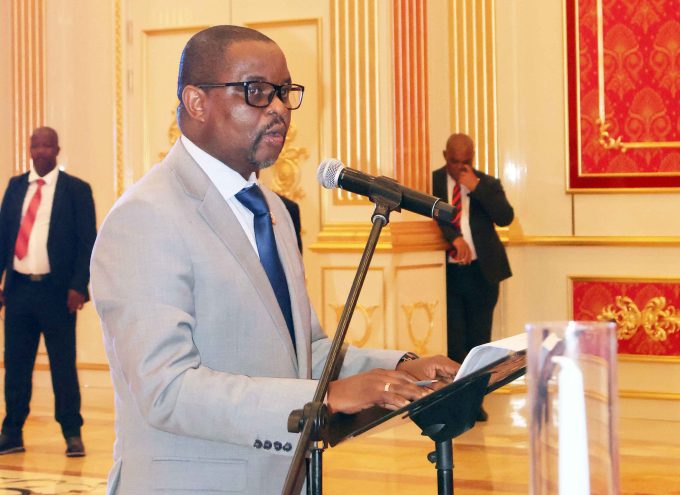
Speaking during the launch of Sibusiso Nhleko’s book, The Elephant in the Boardroom: The Silent Killers of Good Governance, at Bethel Court in Ezulwini on Friday evening, Rijkenberg said respect for elders and people in positions of authority should not come at the expense of accountability.
He said while siyahlonipha, meaning ‘we are respectful’, was a valuable characteristic of emaSwati, it could become a problem when it discouraged people from raising concerns, particularly in boardrooms.
“I’m not saying there’s something wrong with having phenomenal respect for elders, having respect for people of positions, having respect for CEOs,” he said.
“At the same time, if it means that you are not speaking up, and you are on the board, you need to find a way to still, with respect and humility, put the point across, even if it means pain.”
Rijkenberg said Board members had a responsibility to challenge questionable conduct, even when doing so might be uncomfortable or strain professional relationships.
To illustrate the point, he referred to the biblical account of the watchman in the Book of Ezekiel, which he said emphasised the duty to warn others when something was wrong.
“If you say it, and it still goes wrong, the blood is not on your hands,” he said.
He also cited Jesus as an example of someone who spoke openly, including on difficult matters, to emphasise that respect should not prevent people from expressing their views.
The minister said Board members needed to take responsibility for their positions and ensure that the organisations they served fulfilled their mandates.
He illustrated the consequences of silence by recounting a case involving a government entity in which, according to him, a chief financial officer (CFO) presented financial statements attributed to external auditors to the board over five years.
Rijkenberg alleged that the CFO had used letterheads to present the financial information, while the external auditors were absent from the presentations.
He questioned how the situation could have continued for so long without Board members raising concerns.
“Ultimately it comes down to exactly this point, is people did not speak up,” he said.
Rijkenberg suggested that excessive deference to those involved might have contributed to the failure to challenge the practice.
He said Board members needed to strike a balance between respecting people in positions of authority and fulfilling their oversight responsibilities.
The minister commended Nhleko for addressing governance challenges and drawing on examples reported in the media, saying such issues needed to be discussed openly if they were to be addressed.
Nhleko’s book examines the factors that undermine good governance, including silence, fear and the reluctance to confront problems within organisations.
The launch was attended by Senate President Lindiwe Dlamini and other guests, who were invited to reflect on the responsibilities of leadership and the importance of accountability.