
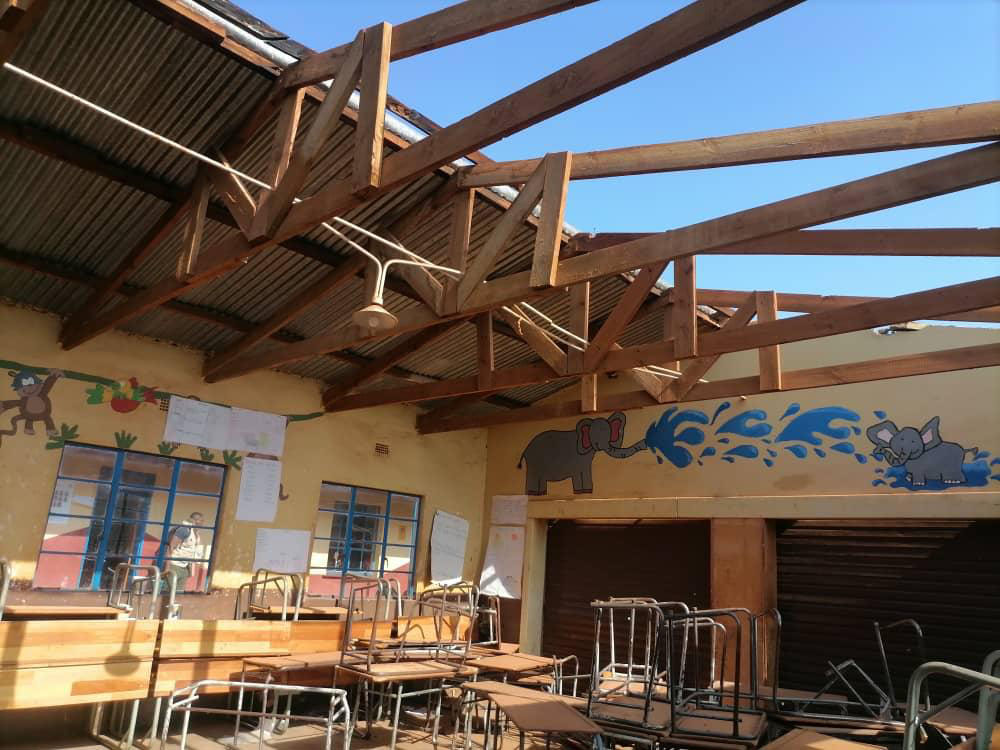
Storms can arrive with little warning, bringing strong winds, heavy rain and flying debris that can cause serious damage to homes and other properties.
While no one can prevent a storm from occurring, property owners can reduce the risk of damage by making sure their homes are ready before the weather turns bad.
As we move through the storm season, it is worth taking a fresh look at your property and addressing weaknesses before they become costly problems.
A strong storm can damage roofs, break windows, bring down trees, block drainage systems and allow water into areas that were previously protected. In more severe cases, roofs can be lifted or damaged, leaving families exposed to the elements.
Here are some practical ways to stay prepared:
1. Check your roof before the storm:
Our roof is one of the first parts of the property to face strong winds and heavy rain.
Look for loose or missing roofing sheets, damaged tiles, leaking areas and signs that the roof structure may have weakened. Pay particular attention to the condition of trusses, rafters, roof sheeting and the points where the roof is connected to the rest of the building.
Loose roofing materials should be secured before bad weather arrives. Where there are signs of structural damage, consider getting a qualified professional to inspect the roof.
A small repair carried out early can help prevent much bigger damage during a storm.
2. Keep gutters and drainage clear:
Heavy rainfall can quickly expose problems with poor drainage.
Clear gutters, downpipes and drainage channels of leaves, branches and other debris. Make sure water has a clear path away from the building and check for areas where water tends to collect around the property.
Blocked gutters can cause water to overflow onto walls and foundations, while poor drainage can contribute to flooding and water entering the home.
3. Look up: Check the trees around your property:
Trees can provide shade and improve the appearance of a property, but large branches can become dangerous during strong winds.
Trim branches that hang over the roof, driveway or other structures. Remove dead or weakened branches and pay attention to trees that appear unstable.
A falling branch can damage a roof, vehicle, wall, power infrastructure or windows.
4. Secure doors, windows and loose items:
Before a storm arrives, check that doors and windows close properly and are securely locked.
Outdoor furniture, bins, garden equipment, building materials and other loose objects can become dangerous when picked up by strong winds. Secure them or move them indoors where possible.
Garage doors and other large openings should also be checked, as they can be particularly vulnerable to strong winds.
5. Stay informed:
Preparation also means knowing when severe weather is approaching.
Keep an eye on official weather forecasts and warnings and take them seriously. Avoid unnecessary travel during severe storms and make sure everyone in the household knows where to shelter if conditions deteriorate.
It is also useful to keep an emergency kit containing items such as a torch, batteries, a first aid kit, drinking water, essential medication and non-perishable food.
6. Know where to shelter:
If strong winds hit while you are at home, move away from windows and external doors.
Choose an interior room or another part of the building that offers better protection from flying debris. Avoid standing near large windows or areas where damaged roofing or walls could fall.
Never put yourself at unnecessary risk by going outside during the height of a storm to inspect or repair damage.
Prepare now, not after the storm
Storm preparation is not only about protecting a building. It is about protecting the people, belongings and investment inside it.
Take some time to walk around your property and identify anything that could become a problem during strong winds or heavy rain.
Secure what needs securing, repair what needs repairing and clear what needs clearing.
When the next storm arrives, being prepared could make the difference between a manageable situation and major property damage.