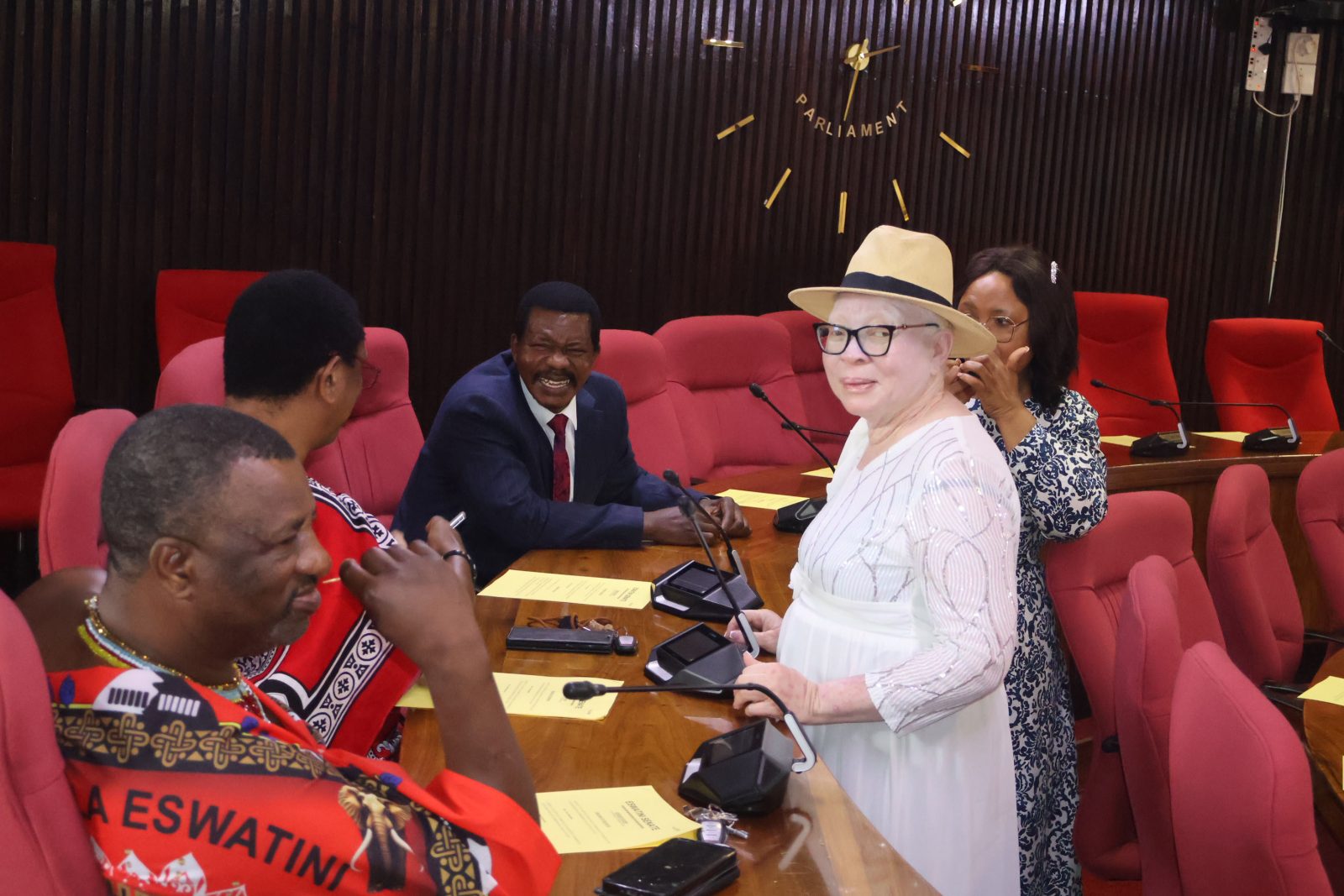
LOBAMBA – Members of Parliament (MPs) have demanded that the E2.4 billion National Housing and Infrastructure Programme be reserved for local contractors.
The MPs rejected the appointment of a foreign main contractor and calling for the project to be divided among emaSwati-owned construction companies. The MPs have also insisted that the project, which will be financed through a loan from the Development Bank of Southern Africa (DBSA), should create meaningful opportunities for small and medium-sized enterprises (SMEs), rather than concentrating the work and financial benefits in the hands of a few companies.
The legislators argued that the project presents an opportunity to stimulate the local economy, create employment and revive struggling construction companies, particularly those affected by stalled government projects and delayed payments.
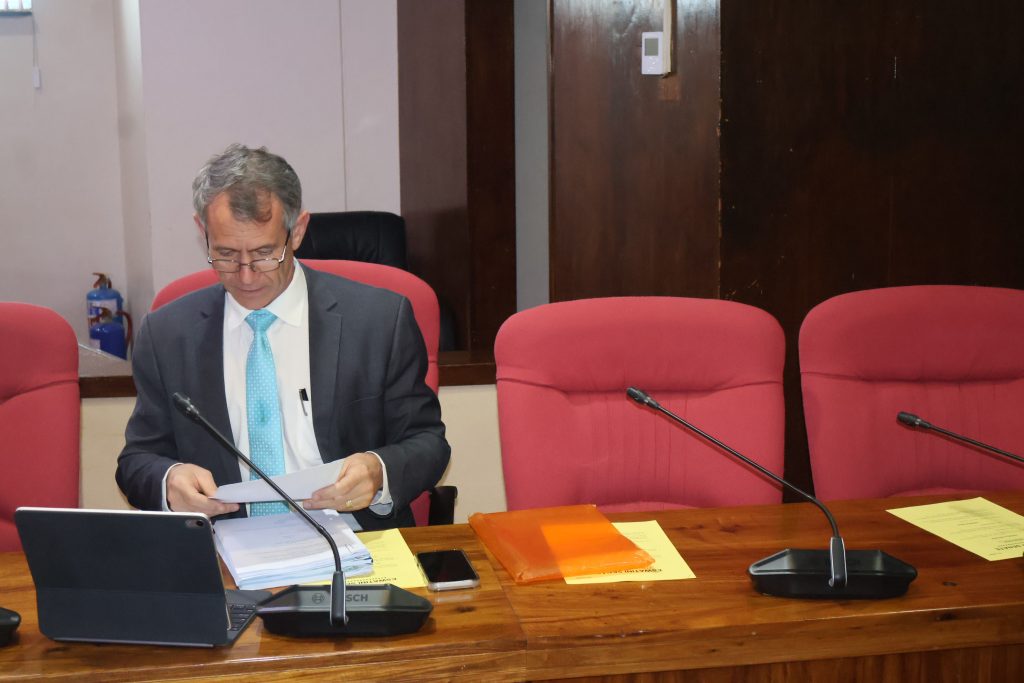
They were making submissions during a session where the Minister for Finance, Neal Rijkenberg unpacked the Development Bank of Southern Africa (National Housing and Infrastructure Programme) Loan Bill, 2026.
The Bill, which seeks to authorise the minister to raise a loan of up to E2.4 billion from the DBSA was gazetted on September 29, 2026 and provides for the financing of the National Housing and Infrastructure Programme, including the construction and completion of housing units and related projects, excluding bulk infrastructure as stipulated in the financing agreement.
Kubuta MP Masiphula Mamba called for assurances that the project would benefit local contractors, suppliers and SMEs, questioning whether the Eswatini Housing Board (EHB) intended to award the construction work to a single contractor.
Mamba said a feasibility study should be made available to Parliament to provide clarity on the areas selected for the project, the criteria used to identify them and whether the proposed developments were informed by the actual housing needs of communities. He drew a comparison with an earlier feasibility study presented by the Deputy Prime Minister’s Office, which identified Nkwene Inkhundla as having the highest levels of poverty in the country. According to Mamba, the aforementioned study had even recommended the construction of one-room houses in response to the severity of poverty in the area.
He questioned whether the proposed housing programme, which is expected to include houses that could be purchased by civil servants and other prospective buyers, would adequately address the housing needs of low-income communities.
The MP also called for all regions to benefit from the programme, insisting that the feasibility study should justify the selection of the areas earmarked for development.
He further urged government to prioritise contractors who had previously secured work through Microprojects, noting that many of them were struggling to remain operational.
Ngudzeni MP Charles Ndlovu, however, questioned the timing of the proposed loan, arguing that the country should prioritise stalled community projects, including roads and infrastructure, before taking on additional debt.
Ndlovu said he did not support the project at this stage, expressing concern that the E2.4 billion loan would increase the country’s debt stock while communities continued to experience inadequate service delivery. He also questioned the intended market for the houses, citing a clinic in his constituency that was reportedly well built, but remained non-functional because there were no houses to accommodate its staff. Sigwe MP David ‘Cruiser’ Ngcamphalala called for the involvement of the Construction Industry Council (CIC) in the planning and implementation of the project, stressing that local businesses should be given an opportunity to participate. He questioned the transparency of the process used to select the areas where the houses would be constructed and sought assurances that local contractors would benefit.
Mafutseni MP Sabelo Mtetwa supported the Bill but warned against appointing a main contractor, arguing that such an arrangement could create the perception that the project was designed to benefit a particular company at the expense of other emaSwati. Mtetwa proposed that the EHB work with Microprojects to identify and allocate construction work to local contractors, saying the latter had the capacity to manage projects while maintaining proper controls.
He further suggested that the government consider selling old and deteriorating government houses to civil servants as another way of addressing housing needs. Nkilongo MP Petros Sibandze also called for the removal of foreign main contractors, arguing that they were undermining the growth and survival of locals. Similarly, Lobamba Lomdzala MP Marwick Khumalo questioned the need for a foreign main contractor, arguing that the construction of ordinary houses did not require specialised expertise that could not be found locally.
Khumalo also sought clarity on the number of emaSwati expected to secure employment through the programme, insisting that the country had sufficient local expertise to undertake the construction work.
Another MP raised concerns about the outflow of money from the country, citing reports that foreign companies controlled a significant share of the construction industry. The MP argued that borrowing E2.4 billion from a foreign financial institution and subsequently awarding the construction work to foreign companies would result in money leaving the country through loan repayments, interest and profits.
The MP proposed that between 60 and 70 per cent of the project funds be channelled towards local contractors to ensure that the investment stimulated economic activity within Eswatini.
Senator Princess Nkosingumenzi also demanded clear provisions guaranteeing that local companies and small businesses would benefit from the project. She called for emaSwati-owned companies to be prioritised in the awarding of tenders, arguing that their involvement would create employment and ensure that the economic benefits remain within the country. The princess further called for proper project management mechanisms to ensure that construction was completed on time and within the required standards. She also requested the EHB’s loan repayment history for the past 20 years to establish whether the institution had a reliable record of servicing its financial obligations.
Shiselweni Region MP Lindiwe Mamba, meanwhile, questioned whether the EHB had a maintenance plan to ensure that the houses would be properly maintained after construction, warning that government properties often deteriorated due to inadequate maintenance.
Responding to the concerns, Rijkenberg assured MPs that there was no need to engage a foreign main contractor for the housing programme, as the country had sufficient expertise to undertake the construction of houses.
He explained that foreign contractors were generally engaged when projects required specialised technical expertise that was not readily available locally, citing the construction of Mpakeni Dam as an example of a project that required specific experience. The minister said government also encouraged joint ventures between foreign and local companies in cases where external expertise was necessary, to ensure that local businesses were accommodated. However, he said the housing programme would involve smaller construction projects spread across the country, making it unnecessary to appoint a single main contractor.
“From what I have gathered, there will be no one main contractor. It is not necessary. You need a main contractor where it is a massive building or project like the ICC,” he said.
Rijkenberg assured MPs that the programme would be spread across all four regions, with most local contractors expected to benefit from the construction work. He added that the feasibility study had been completed and would be presented at a workshop to provide legislators with a deeper understanding of the programme, including its proposed implementation. The minister also acknowledged the concerns raised about the use of local suppliers, particularly regarding building materials, saying measures would be taken to ensure that locally manufactured products were used where available.