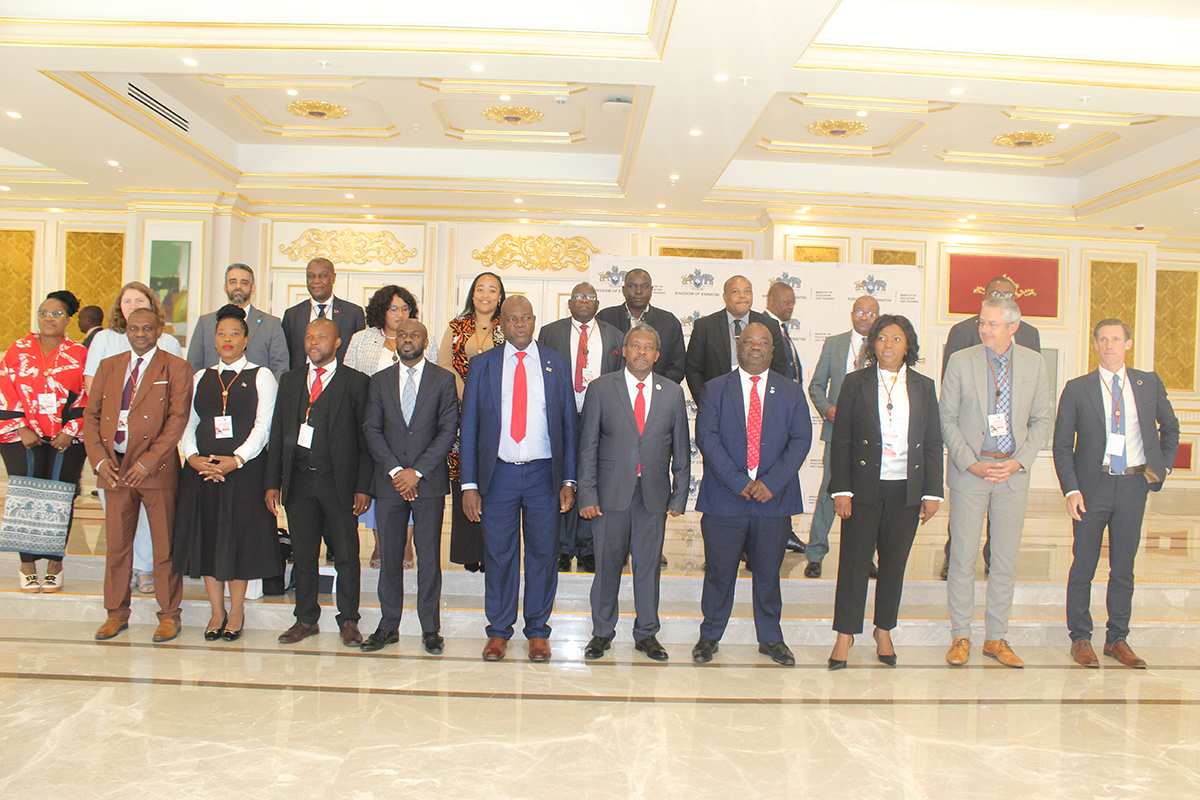
MANZINI – African governments have been urged to invest more in teachers, education infrastructure and learning resources to strengthen education systems and prepare the continent’s children for the future.
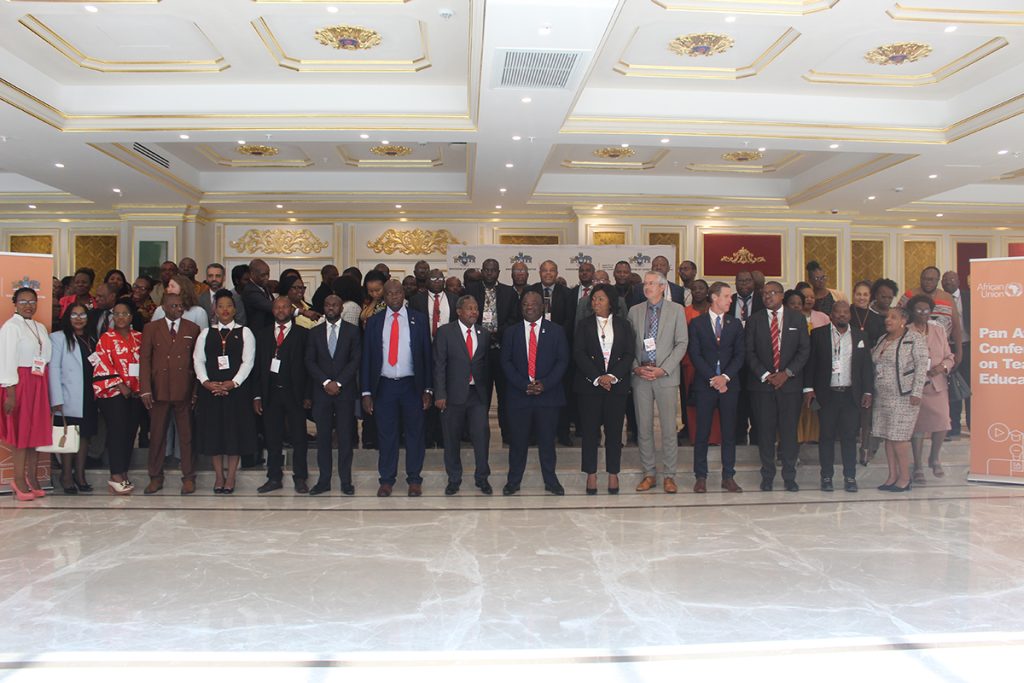
Education and Training Minister Owen Nxumalo and Education International for Africa Director Dr Dennis Sinyolo made the call during the 26th Session of the Pan-African Conference on Teacher Education (PACTED) 2026 in Eswatini.
Nxumalo said teachers were at the heart of education and their welfare needed to be prioritised if African countries were to build strong and effective education systems.
“Let us work together. Let us create an environment where every teacher in Africa is valued,” Nxumalo said.
He said teachers should not only be valued, but also protected, modernised and empowered to play their role in shaping Africa’s future.
Nxumalo said his entry into the education sector had strengthened his commitment to ensuring that teachers were recognised as key professionals whose welfare required greater attention.
“As I joined the education sector, I took it upon myself to make the country realise that these professionals, their welfare must be improved, supported and protected,” he said.
The minister said teachers and learners remained close to his heart and were central to the country’s education agenda.
He urged delegates attending the three-day conference to use the gathering to engage in discussions that would result in meaningful transformation of teacher education across the continent.
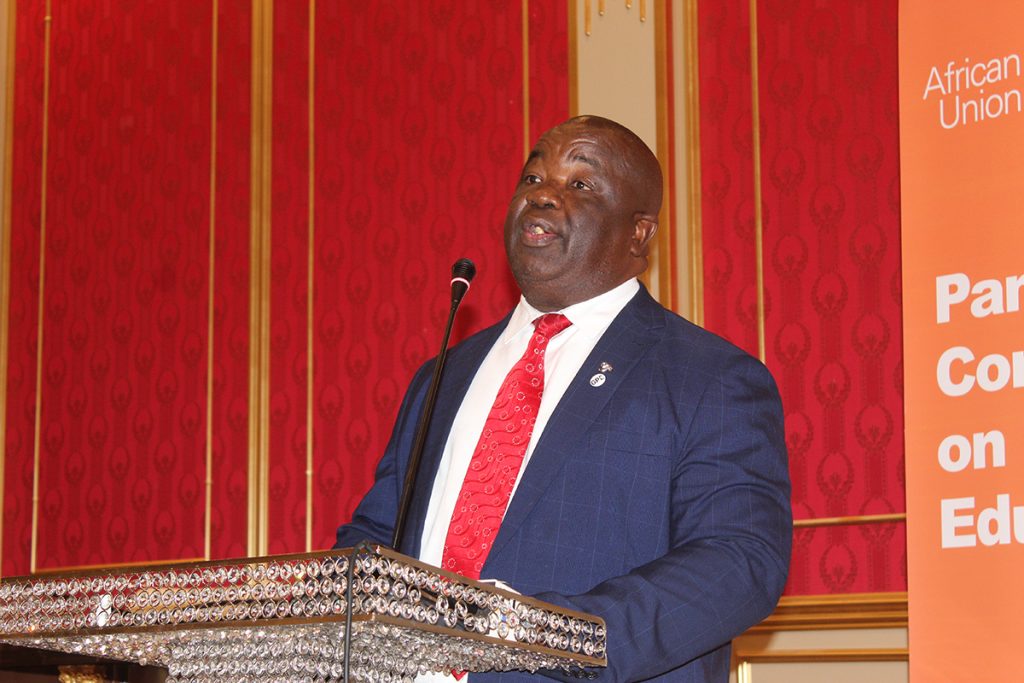
“May our discussions over the next three days be fruitful, transformative and inspiring,” Nxumalo said.
Sinyolo said greater investment was needed to address what he described as the continent’s education crisis, noting that current progress towards achieving Sustainable Development Goal 4 on quality education remained insufficient.
He said 233 million children were still out of school globally, including 110 million in Africa.
The director said governments were not investing sufficiently in education, teachers, infrastructure and teaching and learning resources.
He called for the implementation of the 1966 and 1997 recommendations on the status of teachers, as well as recommendations of the UN High-Level Panel on the Teaching Profession launched in Johannesburg in 2024.
Sinyolo also called for decent salaries and working conditions for teachers and education workers.
He said some teachers in Africa were not paid regularly, with some reportedly going for as long as two years without salaries while still expected to teach.
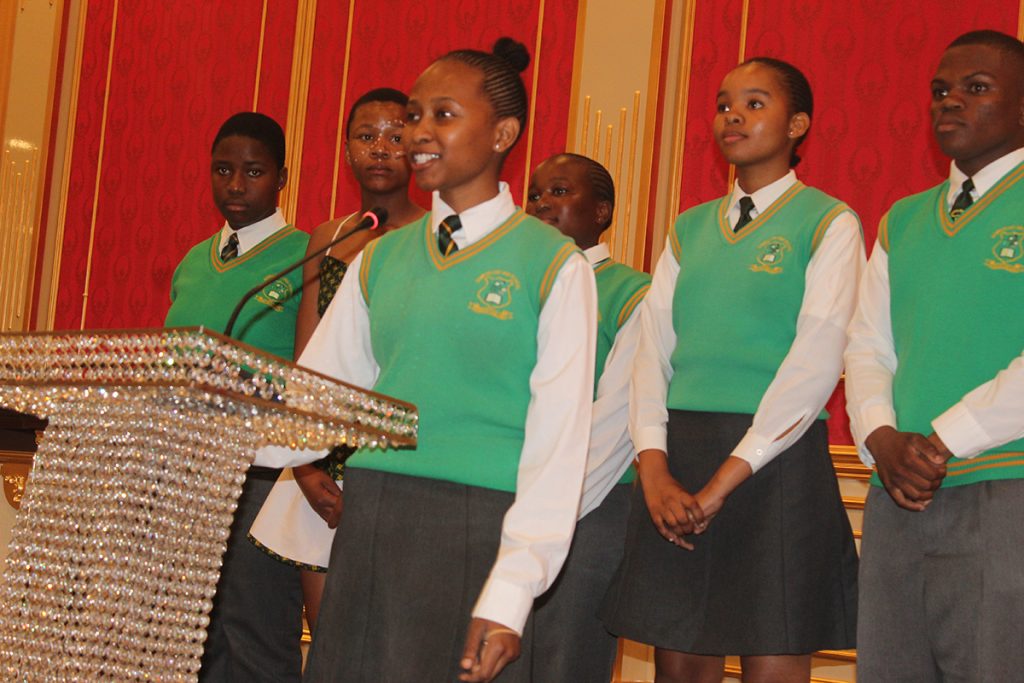
“Let’s pay our teachers decent salaries, so that they can focus on what they know how to do best, to teach, not to worry about where the next meal will come from,” he said.
On technology, Sinyolo said digital tools could transform education if introduced through a human-centred approach.
He said schools should move from “chalk and talk to touch and teach”, while ensuring teachers received the necessary training and infrastructure.
However, he stressed that technology should never replace teachers.
“The teacher-student relationship, that interaction is sacrosanct and must be protected,” he said.
Sinyolo further called for teachers to be involved in the development, implementation, monitoring and evaluation of education policies.
“Nothing for us without us,” he said.
He said governments and teachers needed to work together to build properly resourced education systems capable of delivering quality education to every child.