Madam,
Some wounds do not bleed, yet they hurt deeply. Some people go to bed crying, not because they have been physically beaten, but because someone they love has spent the day making them feel worthless. This is the painful reality of emotional abuse, a form of violence often overlooked because it leaves no visible scars.
According to figures from the Swatini Action Group Against Abuse (SWAGAA), 1 101 emotional abuse cases were recorded in 2023, followed by 983 between January and November 2024. These figures should make us pause. Behind every reported case is a person whose dignity, confidence and peace of mind may have been damaged. How many others suffer silently because they are afraid to speak out?
We must stop treating physical violence as the only form of abuse that deserves attention. Words can destroy confidence, constant criticism can break a person’s spirit and manipulation can make someone question their own worth.
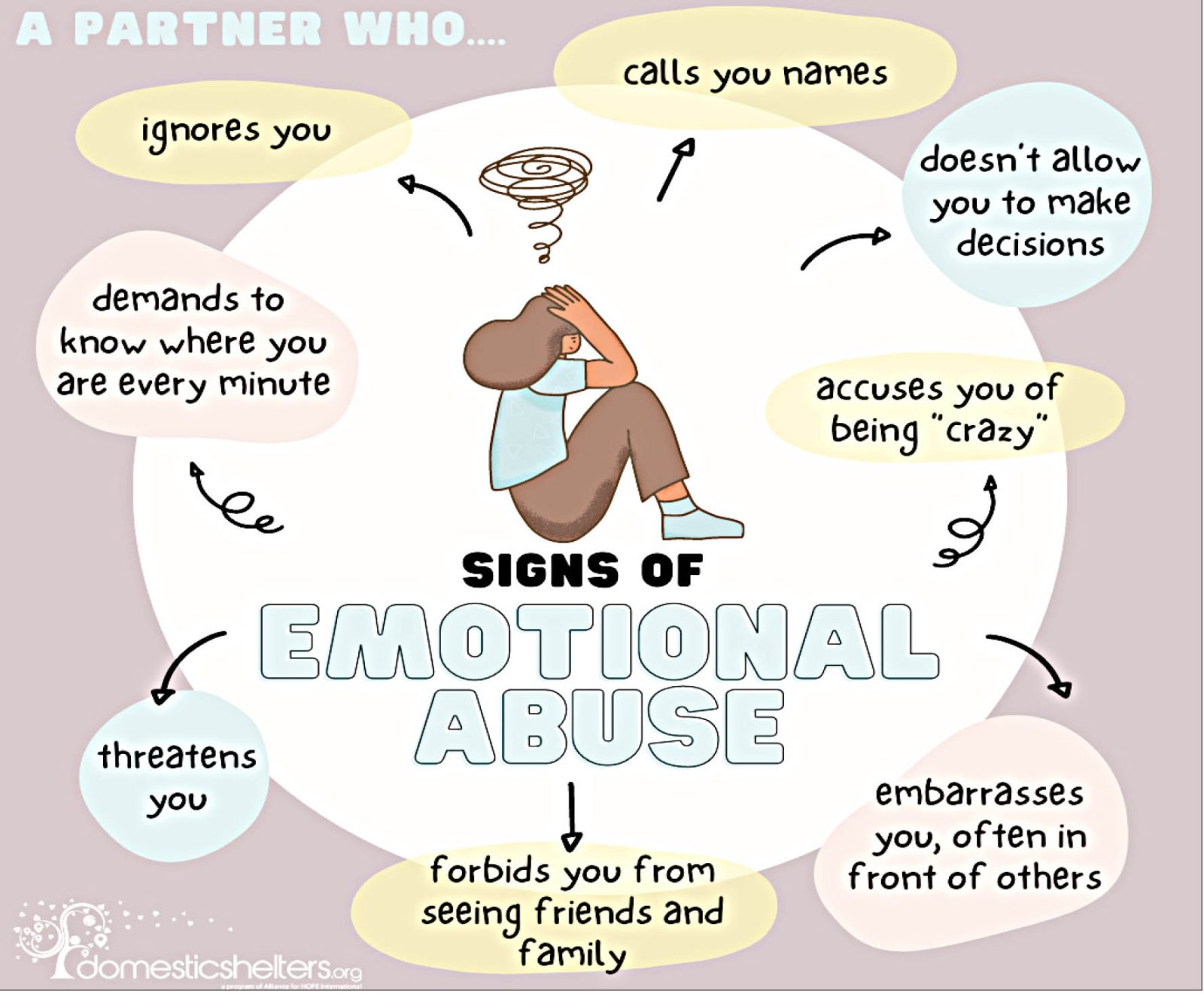
Imagine living with someone who constantly calls you useless, tells you nobody else would want you or makes you feel guilty for expressing your feelings.
Hurtful
You are insulted today and offered an apology tomorrow, only for the same behaviour to happen again. Eventually, you may begin to believe those hurtful words.
Emotional abuse often happens behind closed doors, even in homes that appear happy to outsiders. A person may laugh in public while silently struggling with pain nobody sees. This is why we must never assume that someone is fine simply because they look happy.
We must also stop excusing abuse because it happens within marriage, dating relationships or families. Love should never be used as a weapon to control, humiliate or intimidate another person. Being a partner, parent or relative does not give anyone the right to destroy another person’s dignity.
There is a tendency to tell survivors to toughen up or stop being sensitive. Yes, disagreements are part of relationships, but there is a difference between an ordinary argument and a repeated pattern of humiliation, threats and manipulation. We should not normalise cruelty by calling it a bad temper or a private family matter.
Some survivors remain in abusive situations because they fear being alone, worry about their children, depend financially on the abuser or have been made to believe they are the problem. Instead of judging them, we should offer understanding and help them find safe ways forward.
Children are also affected by constant insults, comparisons and rejection. A child repeatedly told they are good for nothing may carry those painful words into adulthood. We cannot keep pretending that words do not hurt.
Abuse is abuse, whether it leaves bruises on the body or wounds in the heart. A relationship should be a place of safety, not somewhere a person slowly loses themselves.
Lwandle