There is a tendency to look at protests in foreign countries as problems belonging to the people who live there. When streets in Paris fill with angry demonstrators, the immediate assumption may be that France is experiencing another bout of political unrest. However, what is unfolding in France should be viewed through a much wider lens. Beneath the anger over rising living costs and deteriorating educational conditions lies a global crisis in which ordinary people are increasingly struggling to reconcile the cost of living with the promise of a better future.
The protests sweeping across France began with students demanding better school conditions, adequate resources and relief from teacher shortages. As the demonstrations grew, they attracted wider public frustration over economic hardship and public services. By Saturday, October 17, the unrest had spread across French cities, with some demonstrations turning violent. While the destruction of property cannot be justified, dismissing the protests as mere disorder would mean overlooking the grievances that brought people onto the streets.
The bigger question is why so many people, in countries with vastly different economies, are finding themselves frustrated by the same basic issues.
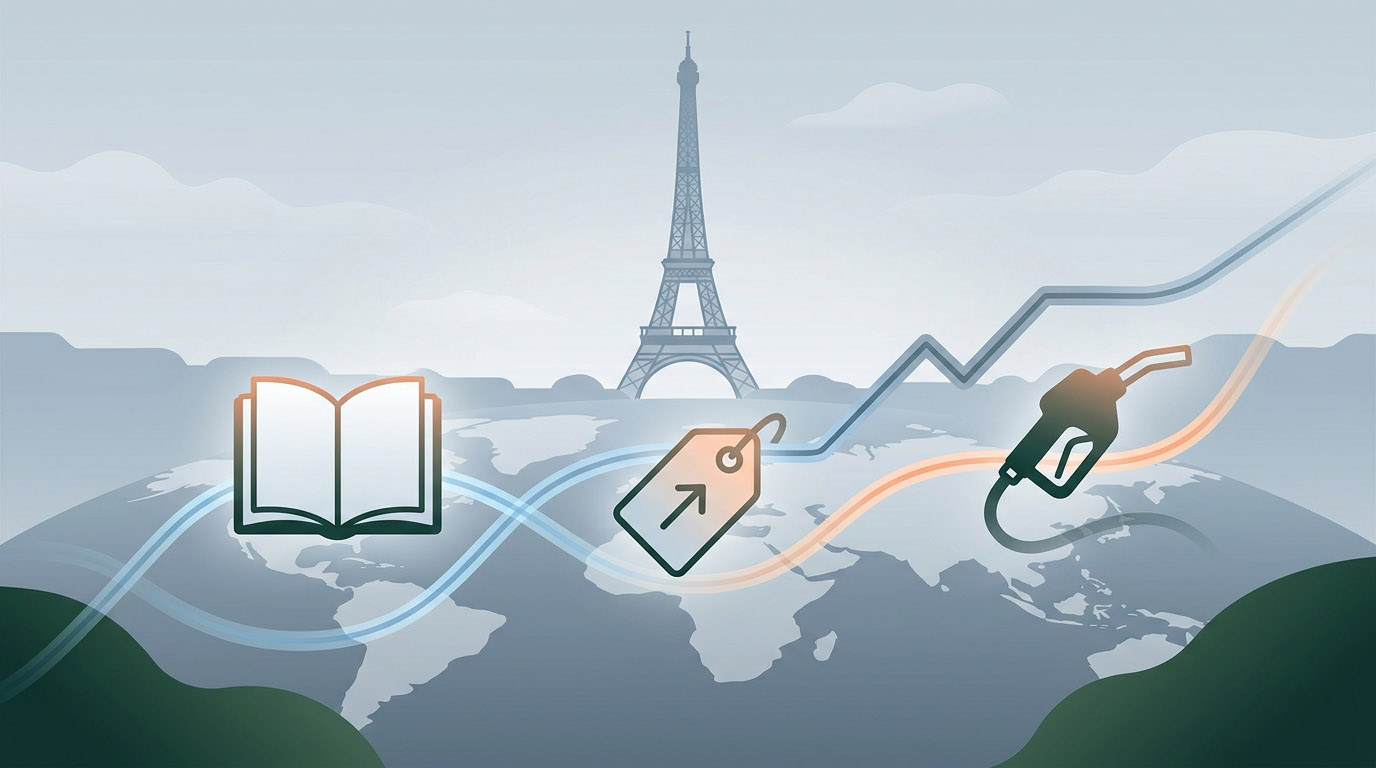
The answer lies partly in the domino effect of economic hardship. A rise in fuel prices does not end at the petrol station. It affects the cost of transporting food, operating businesses and delivering essential services. Businesses facing higher operating expenses may increase prices, leaving consumers with less money to spend on other necessities. Workers then find themselves earning salaries that struggle to keep pace with the cost of living.
When households spend more on food, electricity, transport and accommodation, something else must give. For some families, that means reducing spending on education, healthcare or other essentials. For governments already struggling with debt and competing demands on public finances, providing adequate services becomes increasingly difficult. One economic pressure creates another until the consequences are felt far beyond the original problem.
This is where Paris becomes relevant to the rest of the world, including Eswatini.
France is a major European economy, yet its government is facing difficult choices over public spending while citizens demand better services. The country’s education protests have exposed frustrations over overcrowded classrooms, teacher shortages and inadequate school facilities. These problems are particularly troubling because education is supposed to offer young people a route out of poverty, not become another source of inequality.
For emaSwati, the circumstances may differ, but the underlying concern is familiar. Families understand what happens when food prices rise faster than household incomes. They know the pressure of paying school expenses while meeting daily needs. They also understand that when public services fall short, the consequences are rarely confined to one household or one generation.
A child who receives an inadequate education may struggle to secure employment. A parent who spends most of a salary on necessities has less money to invest in a child’s opportunities. A business facing rising costs may employ fewer people. Fewer employment opportunities then mean more households struggling to survive. The cycle continues and breaking it becomes harder with every passing year.
This is the domino effect that makes economic crises so dangerous. Their consequences do not respect national borders and their effects are not always immediately visible. International conflicts, disruptions to energy supplies, changing trade conditions and financial uncertainty can influence prices far from where the original problems began. Countries with limited resources and little control over global markets can find themselves paying a heavy price for decisions made elsewhere.
However, blaming every domestic problem on international developments would be equally misguided. Governments must still be accountable for how they manage public finances, distribute resources and protect essential services. Global economic pressures may narrow the available choices, but they do not eliminate the responsibility to make fair and informed decisions.
The lesson from Paris is that economic growth means little if ordinary people cannot feel its benefits in their daily lives. A country may boast impressive industries, modern infrastructure and international influence, but these achievements lose their meaning when families cannot afford necessities or young people begin to doubt whether education will secure their future.
Governments should, therefore, treat public frustration as an early warning rather than wait for it to become a national crisis. Investing in education, protecting vulnerable households and managing public resources responsibly are not simply social obligations. They are essential to economic stability.
Ultimately, Paris is not an isolated story unfolding thousands of kilometres away. It is a reminder that the world is interconnected and that the pressures experienced by one society can echo across many others. When people begin protesting over the same basic needs, the question should not only be what has gone wrong in their country, but what the world is getting wrong.
Because when the cost of living rises, opportunities shrink and confidence in public services weakens, the consequences rarely stop at one border. What begins as frustration in one city can become a warning to the world.