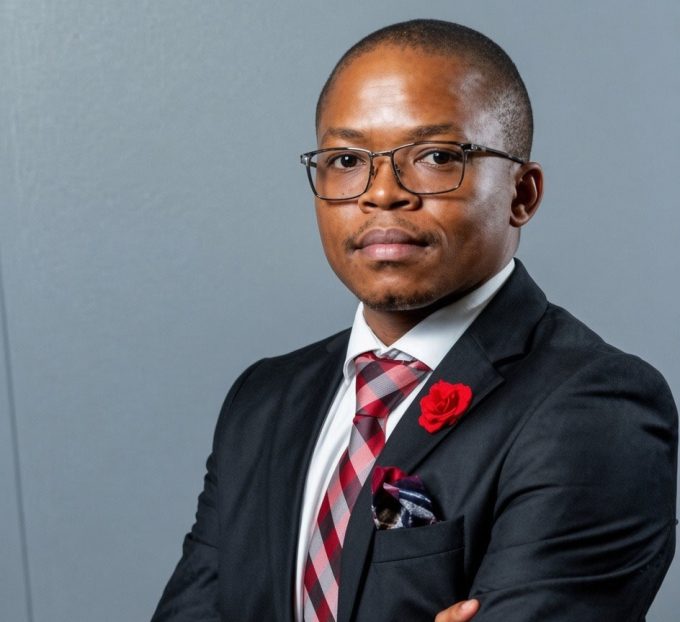
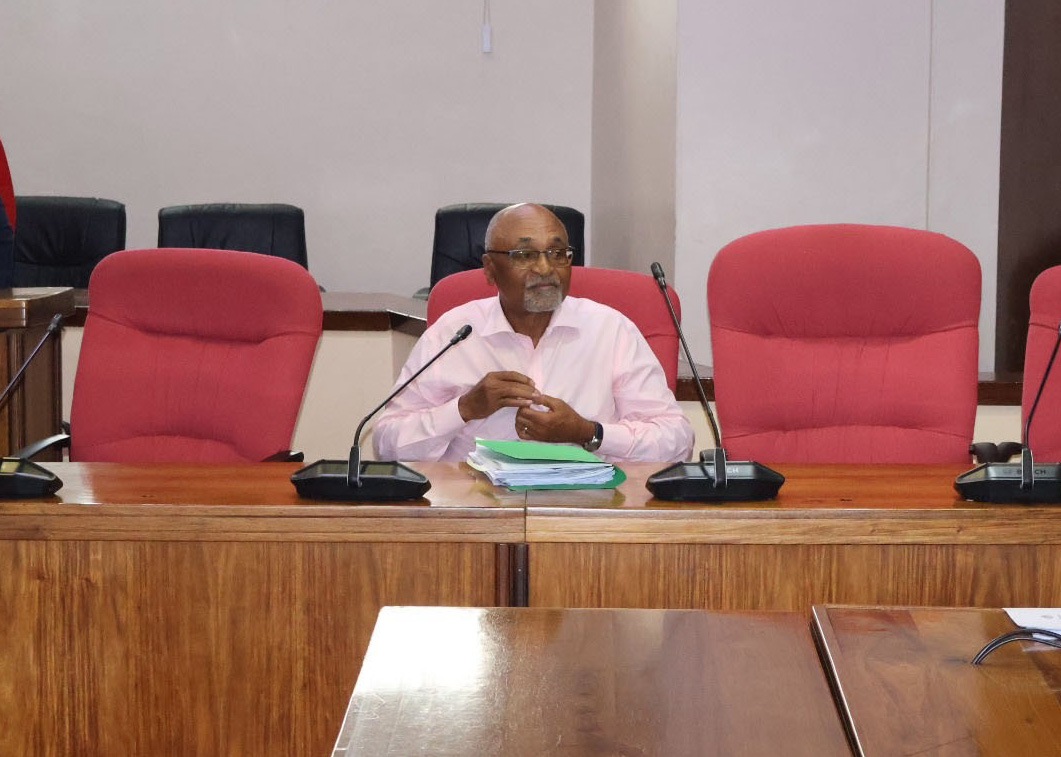
LOBAMBA – Businessman and former Senator Walter Bennett yesterday challenged senators to give him an opportunity to present information relating to what he described as serious corruption allegations at the Ministry of Information, Communications and Technology (ICT).
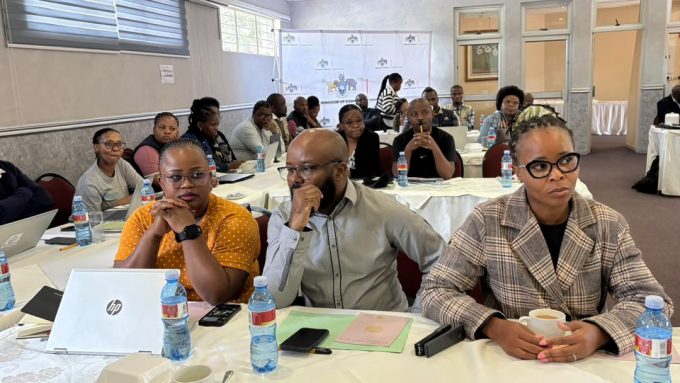
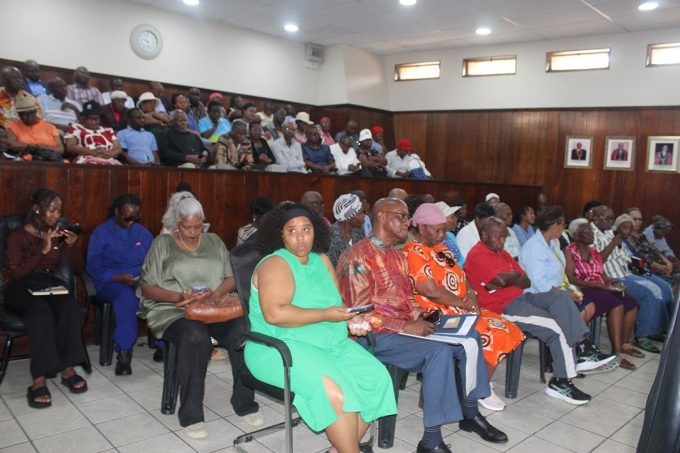
This happened yesterday during a session where stakeholders were given an opportunity to make their submissions on the loan Bills that are currently being financed by government, through the Ministry of Finance.
Bennett said he was prepared to share information in his possession regarding the alleged corruption, provided senators guaranteed that it would be protected and that appropriate action would be taken.
He asked the Chairperson of the Senate Portfolio Committee of the Ministry of Finance, Tony Sibandze, how he should voluntarily share the information he had and who exactly he should engage.
“I will do this if you make an undertaking that this information will not be turned into something else. I can avail myself and present in person, after which you can invite me and I can present one or two documents,” he said.
In his characteristically outspoken manner, the businessman said he was even willing to appear before senators and volunteer the information in person but, insisted that he needed assurances that the information would not be disregarded.
The former senator raised the matter while making his submissions on the three proposed Finance Bills, one of them being the one that is meant for the Eswatini Posts and Telecommunications Corporation (EPTC).
The former senator first warned that Parliament must stop approving public funding without first ensuring that corruption and accountability concerns within the corporation had been addressed.
Bennett said Parliament would be passing loan Bills worth millions of Emalangeni involving the ministry, yet questions remained unanswered about the circumstances under which a senior officer was removed.
He said no explanation had been given regarding the removal, adding that the issue could also be discussed.
Bennett further questioned the reported debate over whether the officer should continue receiving the same salary after leaving the position.
He said while the arrangement had reportedly been considered unfair, the interests of taxpayers also needed to be taken into account.
“It was decided that it would be unfair. But what about the taxpayer? When is it fair?” he asked.
Bennett argued that allowing alleged wrongdoing to go without consequences amounted to turning a blind eye, creating a situation where those responsible appeared to be rewarded instead of being held accountable.
He questioned why taxpayers should be expected to shoulder the financial burden of rescuing EPTC when the corporation had previously been under the management of individuals who were expected to ensure its financial sustainability.
Bennett said the proposed loan raised serious questions about transparency, particularly regarding the portion earmarked to address EPTC’s pension fund deficit.
He called on government to disclose exactly how much of the loan would be channelled towards the pension fund, arguing that Parliament needed sufficient information to assess the implications of the financial intervention.
The businessman acknowledged that rescuing EPTC was necessary, but cautioned senators against approving the funding without putting in place measures to prevent the alleged misuse of the money.
He said the corporation had not been adequately monitored in the past, raising concerns about what guarantees existed that the situation would change after the proposed injection of public funds.
Bennett argued that the failure of previous administrations to ensure proper oversight had contributed to the situation in which the corporation now required a taxpayer-funded bailout.
He warned that future generations would ultimately bear the financial consequences of decisions made by past governments, stressing that Parliament had a responsibility to ensure that the mistakes of the past were not repeated.
“I wish this money would be kept under Head 60 until we are guaranteed that corruption will end at EPTC,” he said.
The businessman extended his concerns beyond EPTC, claiming that corruption remained a serious problem in the country and that much of it went unreported.
He cited the Ministry of ICT as one of the areas where he believed serious allegations required investigation.
Meanwhile, Bennett expressed support for the proposed E2.4 billion loan that will enable the Eswatini Housing Board (EHB) to implement housing and infrastructure projects across the country.
Although he raised concerns about the management of public funds and the need for transparency, the businessman said borrowing could be justified when government had clearly defined objectives and was open about the terms of its loan agreements.
He cautioned against dismissing housing projects simply because of the costs involved, arguing that emaSwati had the education and capacity to afford larger houses.
“Let us not be surprised by E15 000. EmaSwati are educated; they afford the biggest houses,” he said.
However, Bennett said the more pressing concern should be the management of government departments responsible for administering rental payments by civil servants occupying government houses.
He recalled that an earlier examination of the system had revealed cases in which some civil servants were paying either less or more than they should have been paying.
He argued that such discrepancies warranted closer scrutiny to ensure that government resources were managed properly and that rental arrangements were fair and transparent.
Bennett also urged Parliament to ensure that all relevant information was made available whenever government approached the House for approval of loans.
He said lawmakers needed to be equipped with sufficient details to address concerns before making decisions that could have long-term implications for the country and its taxpayers.
“Parliament must be the difference,” he said, calling on senators to exercise their oversight responsibilities rather than merely endorse government proposals.
The businessman noted that Eswatini had previously been listed among the least-borrowing countries in Africa, citing a publication from 2015 that placed the country alongside nations such as Libya.