

MBABANE – Businesses have been urged to recognise that their brand reputation is shaped by every employee and department, not just their marketing teams.
Award-winning speaker Nikki Jacobsz, who is a customer service expert said organisations could not promise customers exceptional experiences without equipping their employees with the necessary tools, information, training and authority to deliver on those promises.
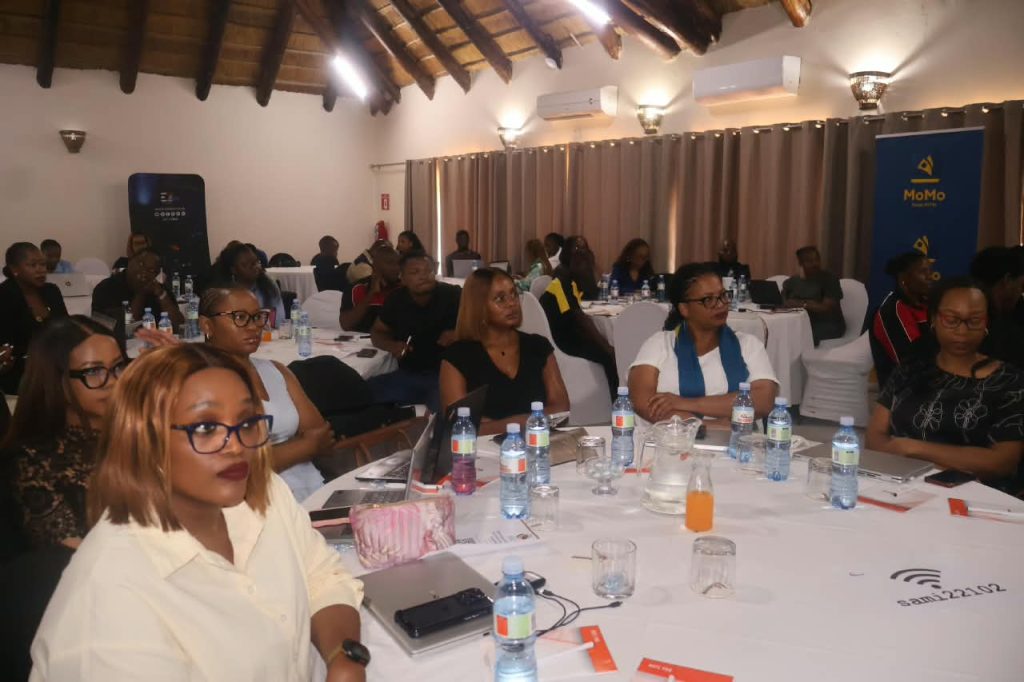
She was speaking during the 11th Customer Service Conference, a two-day event being attended by representatives from various organisations. The event is currently taking place at SibaneSami Hotel.
Jacobsz said brand alignment required businesses to ensure that what they promised customers through their marketing was consistent with what their operations and employees could actually deliver.
She challenged organisations to move away from treating branding as the responsibility of marketing departments, arguing that customers experienced a business as a whole rather than its individual departments.
“When we look at how we actually bring a brand to life, there are three things that are happening. Number one, we create the promise. We decide who we are, what we stand for and what customers should expect,” she said.
However, she said creating a brand promise was not enough, as organisations also needed to enable employees to fulfil it before expecting them to deliver the desired customer experience.
Jacobsz said many businesses overlooked this middle stage by developing promises without ensuring that employees had the capacity to meet customer expectations.
“You cannot demand an experience that you haven’t equipped people to deliver,” she said.
To illustrate her point, she used the example of an accounts employee whose interaction with customers was contributing to negative reviews.
She explained that the employee was frequently dealing with angry customers because the billing system was unreliable, customer accounts contained incorrect information and she lacked the tools to resolve complaints.
Jacobsz said although the employee remained responsible for treating customers properly, management also had to examine whether internal systems were making it difficult for staff to perform their duties.
She said organisations needed to listen to frontline employees because they often understood where customer experiences were breaking down.
The speaker also used Woolworths as an example of how customer experience could be built into an organisation’s daily operations.
She recounted an experience at the retailer’s store at Eswatini’s Gables Shopping Centre, where an employee helped her establish that a product she wanted was out of stock.
Although the product was unavailable, the employee checked the Woolworths application, confirmed when the next delivery was expected and explained when fresh stock would be available.
Jacobsz said such initiatives demonstrated that customer experience was not necessarily dependent on elaborate marketing campaigns, but could be improved through practical solutions developed by employees.
She urged marketing, operations, sales and management teams to hold conversations before making promises to customers, warning that it was difficult to reverse expectations once campaigns had been communicated publicly.
She said businesses should also involve frontline employees in decisions affecting customers.
Jacobsz challenged conference delegates to assess their organisations from the perspective of customers and consider whether the experience they received matched what the business promised.
The two-day conference brings together representatives from different organisations to discuss customer service and the role of customer experience in business performance.