MBABANE – Unheard of!
The Eswatini Football Association (EFA) has attended an International Federation of Association Football (FIFA) training workshop in Johannesburg despite operating without a dedicated Education Officer, according to a source close to the local football governing body.
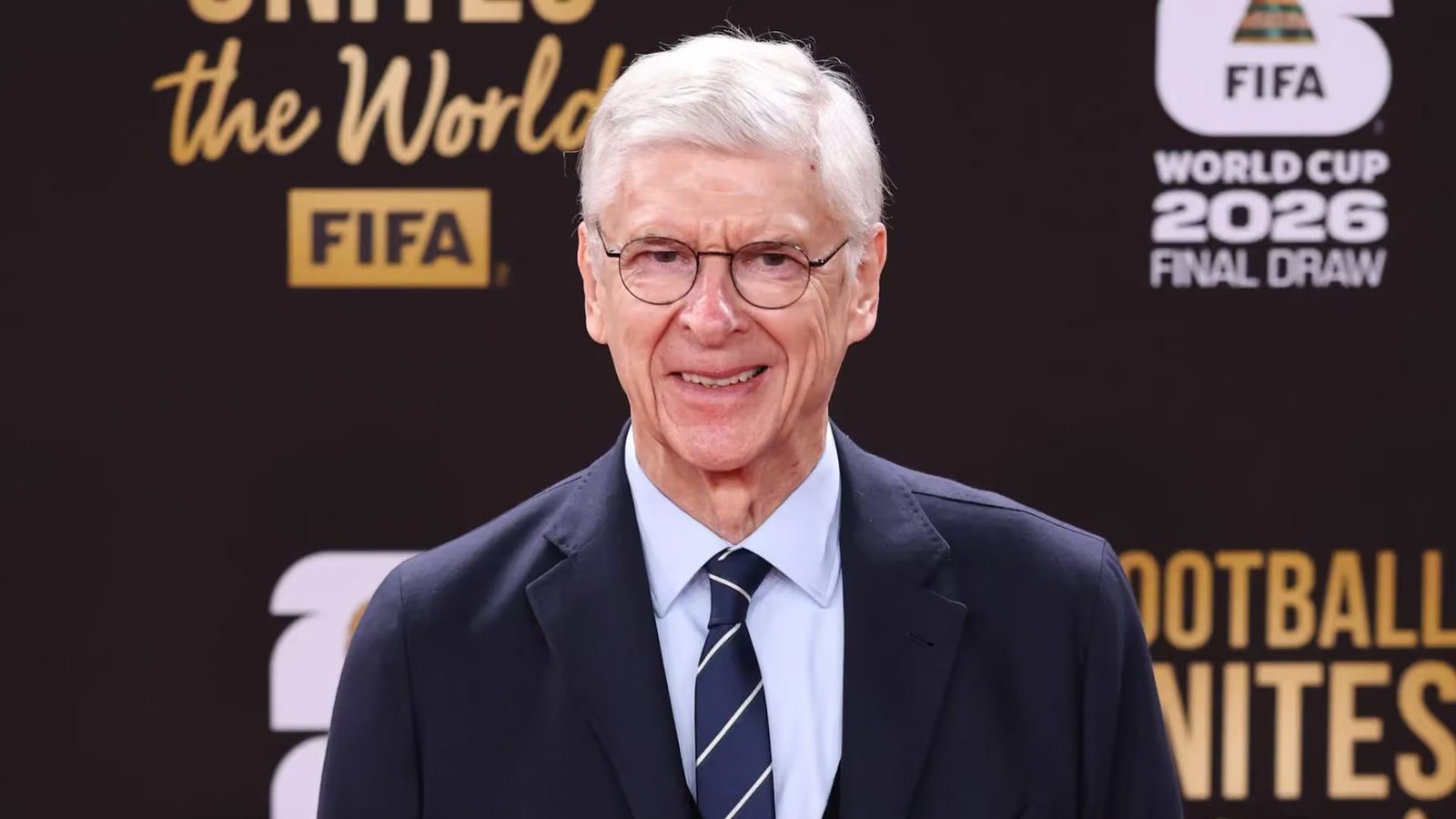
The development has raised eyebrows within local football circles, given the critical role an education officer plays in driving coaching standards and technical development. Johannesburg, South Africa, is hosting the FIFA Grassroots and Amateur Football and Coach Education Leaders’ Workshop in the period November 16-19, 2026. FIFA’s Chief of Global Football Development and former Arsenal Manager Arsène Wenger oversees the broader FIFA division responsible for these initiatives, though day-to-day operational management falls to his senior leadership team.
Such workshops are specifically designed to equip member associations with standardised curricula, modern coaching methodologies and the administrative structures required to train and accredit local instructors, essentially ‘training the trainers’ so countries can independently run recognised coaching courses.
The source revealed that the Peter ‘Samora’ Simelane-led organisation sent delegates to the Johannesburg workshop without the designated office-bearer in place.
“The EFA has raised eyebrows within local football circles by attending the workshop without an education officer,” the source said.
According to the source, the delegation comprised EFA Technical Director (TD) Bhekisisa ‘Bizzah’ Mkhonta and another official. Notably, other countries have education officers or managers as part of their participants. Uganda, for instance, sent Football Development Director Bashir Mutyaba, Education Manager Jackson Nyiima and Technical Master Plan Manager Brian Umony.
Absence
When contacted to shed light on the matter, EFA Marketing and Communications Manager Muzi ‘Rhoo’ Radebe confirmed that the TD had been accompanied by Sibonangaye ‘Kompela’ Dlamini.
“What I know is the TD has gone with Sibonangaye to attend the Education Officer workshop,” Radebe said.
Radebe maintained that the trip is positive news for local football, noting that the current absence of an education officer has hindered the EFA from hosting Confederation of African Football (CAF) A Licence courses for local coaches.
Eswatini has been unable to stage a CAF A course since 2017, after CAF froze the programme across the continent to update and consolidate its coaching manuals. That temporary suspension has since stretched into a nearly 10-year blackout for coaches holding only the CAF B Licence, leaving many unable to progress.
enforcement
This drought collides with stringent new standards approved by the CAF Executive Committee on December 16, 2024 under the revised CAF Coaching Convention, with full enforcement targeted for the end of the current season.
Coaches under valid contracts signed before the new rules were introduced were granted a grace period across the 2025/26 and 2026/27 seasons to regularise their credentials. However, clubs and national associations hiring after the cut-off date must ensure new appointments meet minimum requirements immediately, or risk having coaches barred from the technical area and official CAF competition activities.
Under the updated framework, head coaches in major men’s competitions, including the Africa Cup of Nations (AFCON), African Nations Championship (CHAN), Champions League, Confederation Cup and Super Cup, must hold a CAF A or Pro Licence, while assistants require at least a CAF A. Similar stipulations apply across women’s and youth categories, with adjusted thresholds elsewhere.
Stumbling
The Eswatini Football Coaches Association (EFCA) recently admitted that the prolonged blackout is causing severe frustration and sleepless nights among local tacticians. EFCA Secretary James Kunene revealed that ongoing talks with the EFA have sparked hope that a breakthrough is imminent.
Kunene warned that the looming deadline remains a major headache while local programmes stay grounded, though he insisted the association will continue pushing for educational opportunities. He noted that prior to 2017, Eswatini enjoyed a strong standing in coaching education.
Until now, the primary stumbling block has been the lack of a dedicated Education Officer at the EFA to work alongside the technical director and relaunch the curriculum. Previous reports have highlighted that few qualified coaches continue to be recycled for national roles, leaving emerging tacticians locked below the CAF A threshold and shut out of premier positions.