

MBABANE – The new Laws of the Game for the 2025/2026 season officially come into force tomorrow.
The laws introduce several notable changes aimed at improving the flow of the game, reducing time-wasting and enhancing clarity.
It is important to remember that while the official date for these laws to come into force is July 1, 2025, some competitions, such as the ongoing International Federation of Association Football (FIFA) Club World Cup 2025, may implement them earlier. The changes are enforced by the International Football Association Board (IFAB).
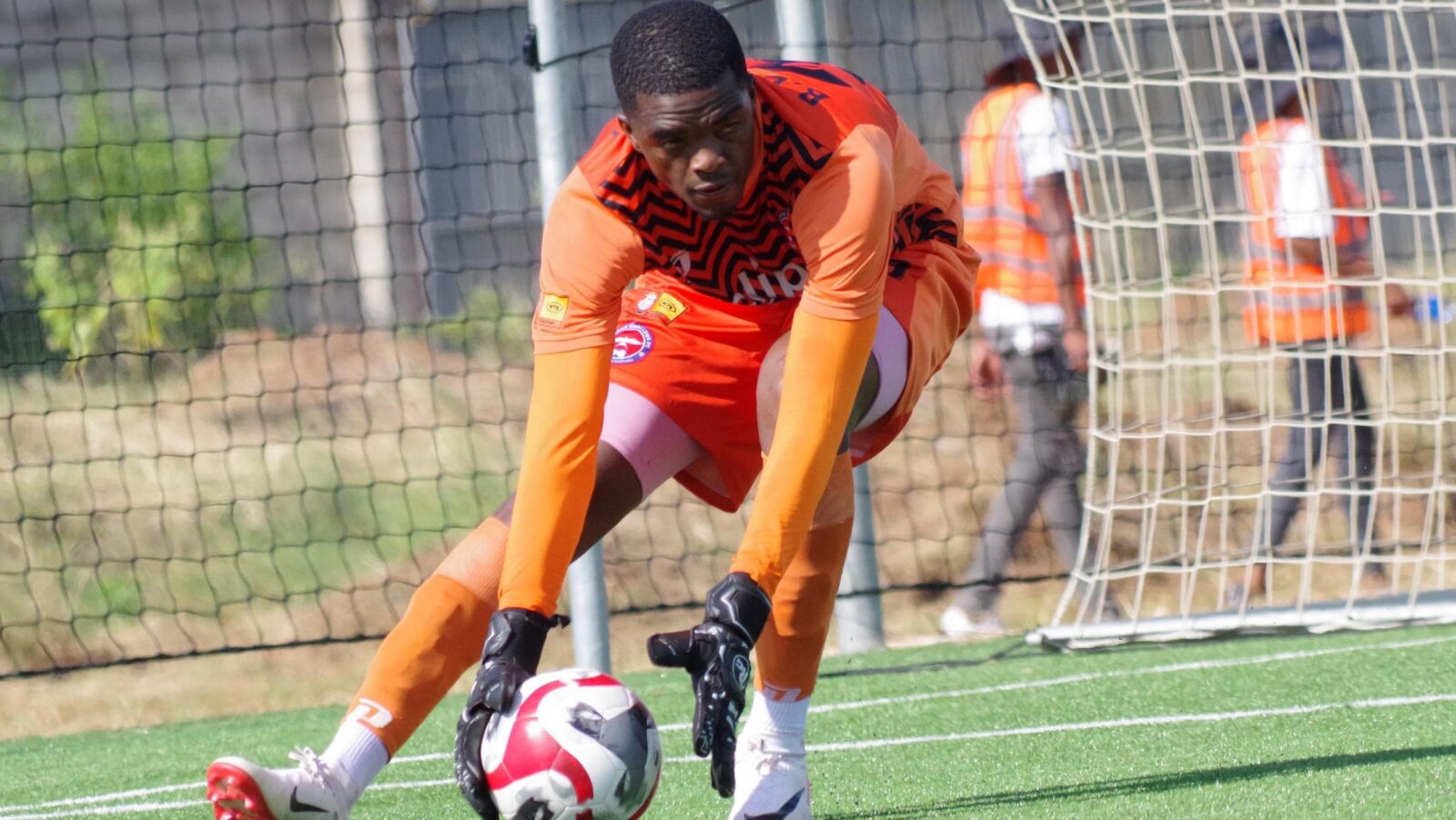
As per the changes, if a goalkeeper holds the ball for longer than eight seconds (increased from the previous six seconds), the opposing team will be awarded a corner kick instead of an indirect free kick. This is meant to actively discourage goalkeepers from time-wasting and promote more continuous play. Referees will use a visual five-second countdown to help goalkeepers manage their time.
The most significant change is the introduction of the ‘only the captain’ guidelines. This is said to be an optional rule that competitions can choose to implement, and many major leagues and competitions (like the English Premier League and European Football Association (UEFA) club competitions) are adopting it.
National Referees Committee (NRC) Chairman Sipho Kunene dismissed reports suggesting that this rule was optional, saying Eswatini is definitely going to enforce it.
“Ours is to engage the competitions committees and referees to ensure compliance,” he said.
Under these guidelines, only the team captain (identified by their armband) is allowed to approach the referee in specific situations, particularly after major incidents or decisions.
The aim is to improve on-field behaviour and reduce dissent towards officials. This further seeks to create a secure and calm zone around the referee, preventing multiple players from surrounding or mobbing the official.
The captain is expected to take responsibility for the behaviour of their teammates, encouraging them to respect the referee’s decisions and not approach the official.
Players who are not the captain and approach the referee without permission, particularly in a disrespectful manner, may be cautioned (yellow card).
If the goalkeeper is the captain, the team must nominate an alternative player to approach the referee in their stead.
Other notable changes pertain to Video Assistant Referee (VAR). Having VAR is currently a dream for Eswatini.
Some of the changes:
1. Goalkeeper Time-Wasting (Law 12.2 – Indirect Free Kick):
If a goalkeeper holds the ball for longer than eight seconds (increased from the previous six seconds), the opposing team will be awarded a corner kick instead of an indirect free kick.
Dropped Ball Procedure (Law 8.2):
If play is stopped with the ball inside the penalty area, the ball is dropped for the defending team’s goalkeeper in their penalty area.
If play is stopped with the ball outside the penalty area, the ball is dropped for the team that had or would have gained possession if it’s clear to the referee.
Otherwise, it’s dropped for the team that last touched it.
The ball is dropped at its position when play was stopped.
3. Ball in play – Accidental Interference (Law 9.2):
An indirect free kick (with no disciplinary sanction) will be awarded if a team official, substitute, substituted or sent-off player, or a player temporarily off the field (e.g, for injury, equipment adjustment) touches the ball as it is leaving the field of play, and there was no intention to interfere unfairly with play.
4. ‘Only the Captain’ Guidelines (Law 3.10):
Guidelines have been introduced for competitions that wish to apply the principle of only the team captain approaching the referee in specific situations.
















Leave a comment