

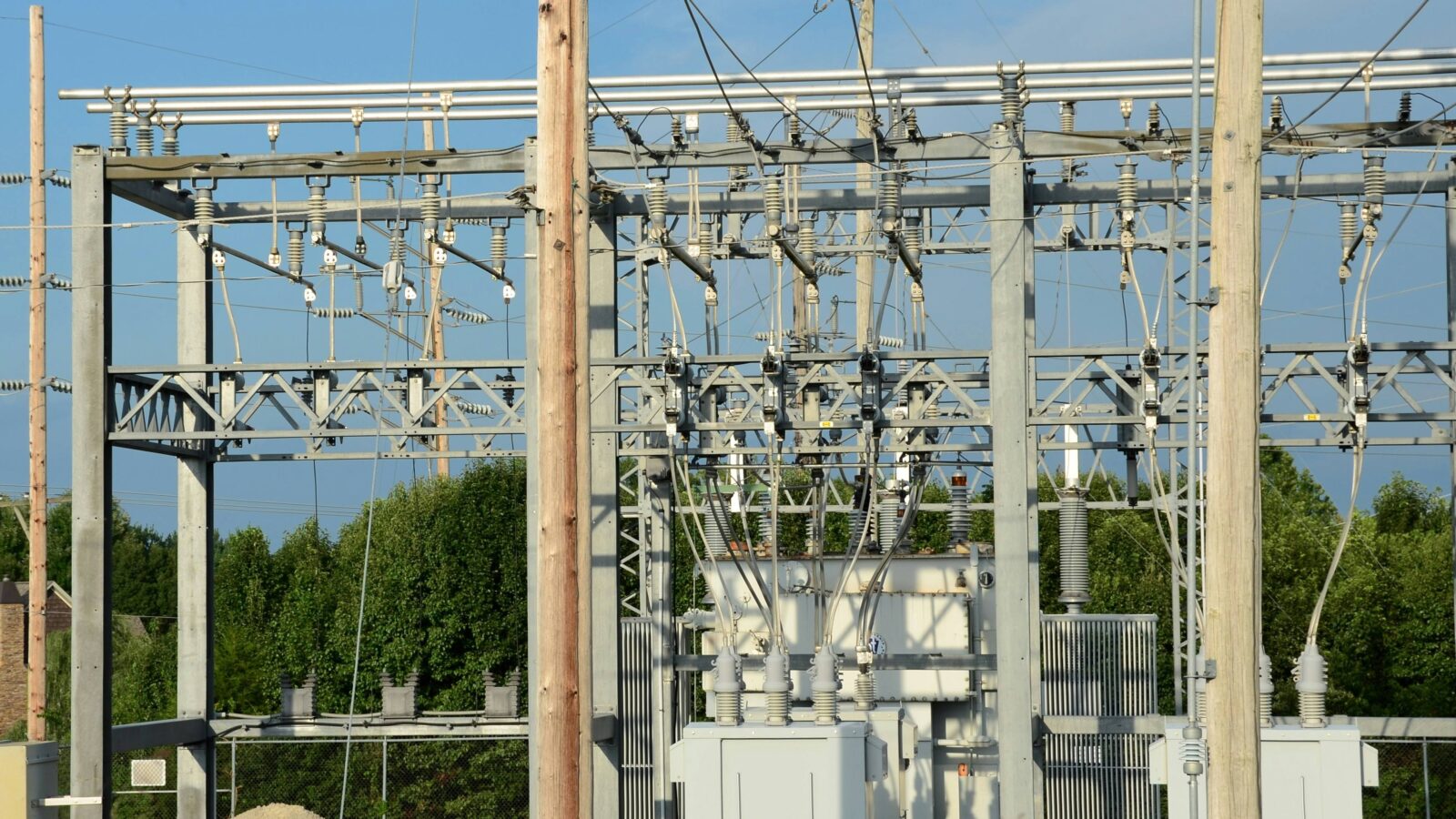
In recent years, Eswatini has found itself grappling with an increasingly pressing challenge—energy reliability. The Eswatini Electricity Company (EEC), like many utilities in the southern African region, has turned to load management—a euphemism for scheduled power cuts—to balance supply and demand. This policy, while crucial in managing the country’s limited energy resources, has sparked debate over its economic, social and environmental consequences. As a nation, we must critically assess both the burdens and the benefits of load management, and chart a course forward that empowers both institutions and individuals.
At its core, load management is a crisis-response strategy. Eswatini imports up to 80 per cent of its electricity, primarily from South Africa, a country that itself is riddled with chronic load-shedding issues. With such dependency, Eswatini is especially vulnerable to external supply shocks. Load management allows the EEC to allocate limited electricity equitably, prioritising critical infrastructure like hospitals, water treatment plants and essential services. Without it, the country risks uncontrolled blackouts, which could have far more devastating effects. Additionally, load management contributes to long-term grid stability. By reducing peak demand, the EEC can avoid overloading aging infrastructure, delaying costly upgrades and avoiding sudden system collapses. It also nudges the public towards energy conservation, an increasingly important consideration in the context of climate change and rising energy prices.
Despite its rationale, the negative impacts of load management are undeniable. Perhaps the most significant is its effect on the economy. For small and medium enterprises (SMEs)—the backbone of the country’s informal and formal sectors—frequent power outages disrupt operations, reduce productivity and lead to revenue losses. Bakeries, tailors, barbershops and internet cafés simply cannot function during outages, and not all can afford backup generators.
In the industrial sector, intermittent supply affects manufacturing schedules, damages equipment and deters investment. Businesses that might have considered expanding in Eswatini could now reconsider, worried about infrastructure reliability. Over time, this could stunt job creation and economic growth.
The social costs are equally troubling. Load-shedding or load management during peak evening hours affects domestic life: Students struggle to study, food spoils in refrigerators and residents feel unsafe navigating dark neighbourhoods. Essential health services operating in rural clinics face disruptions, especially those lacking proper solar or generator backups. There is also a mental health toll—the unpredictability and inconvenience of scheduled power cuts can heighten anxiety, stress and reduce overall quality of life.
Despite these challenges, load management has had some unexpected benefits; this is what I would like to call the opportunities in the dark. At the household level, load management forces sustainable use of energy. It presents an opportunity to shift power consumption to off-peak hours where necessary.
For example, if possible, individuals could take baths before 5pm and still leave some hot water for those at work, fostering a culture of consumer responsibility. If successful, load management ensures that we are able to avoid full load-shedding. This exercise will breed responsible consumers and ensure overall greed sustainability.
It has also accelerated interest in renewable energy. Businesses and households alike are signalling shifts towards green energy. Solar powered geysers and solar powered lights have become a common sight.
Furthermore, big businesses in the country are consistently shifting towards independent power production and, for the most part, this shift is powered by green energy or bio-mass fuels. While initially a response to an unreliable grid, this transition could lay the foundation for greater energy independence and resilience in the long-run.
In the face of load management, citizens are not powerless. There are tangible steps individuals and households can take to adapt and contribute to a more energy-conscious society:
l Invest in energy-efficient devices: Use LED lighting, energy-efficient fridges and other low-consumption appliances.
l Adopt renewable energy: Where possible, instal solar panels for basic needs—lighting, phone charging and even refrigeration.
l Practice load shifting: Do laundry, ironing and cooking during off-peak hours or when power is available.
l Form community energy co-ops: Pool resources to invest in shared solar and battery systems, particularly in rural and semi-urban areas. This is what I term the Orania model.
l Stay informed and prepared: Keep abreast of load-shedding schedules, and equip your home with alternative lighting like rechargeable bulbs or solar lanterns.
l Invest in gas stoves, heaters and lamps: This reduces dependence on the national grid for overall heating, cooking and cleaning. It enables continuation of life in times of load management and minimises the negative effects of load management.
The burden of balancing energy supply and demand should not rest solely on EEC’s shoulders. Policy support is crucial. Government must invest in diversifying energy sources and support independent energy production. Furthermore, vulnerable communities must be supported in adapting to this new energy reality.
Load management, while unpopular, is not just an obstacle—it’s a mirror reflecting our energy vulnerabilities. Whether Eswatini will rise to the challenge and build a more resilient, sustainable energy future depends on the actions of institutions and individuals equally.


















Leave a comment