

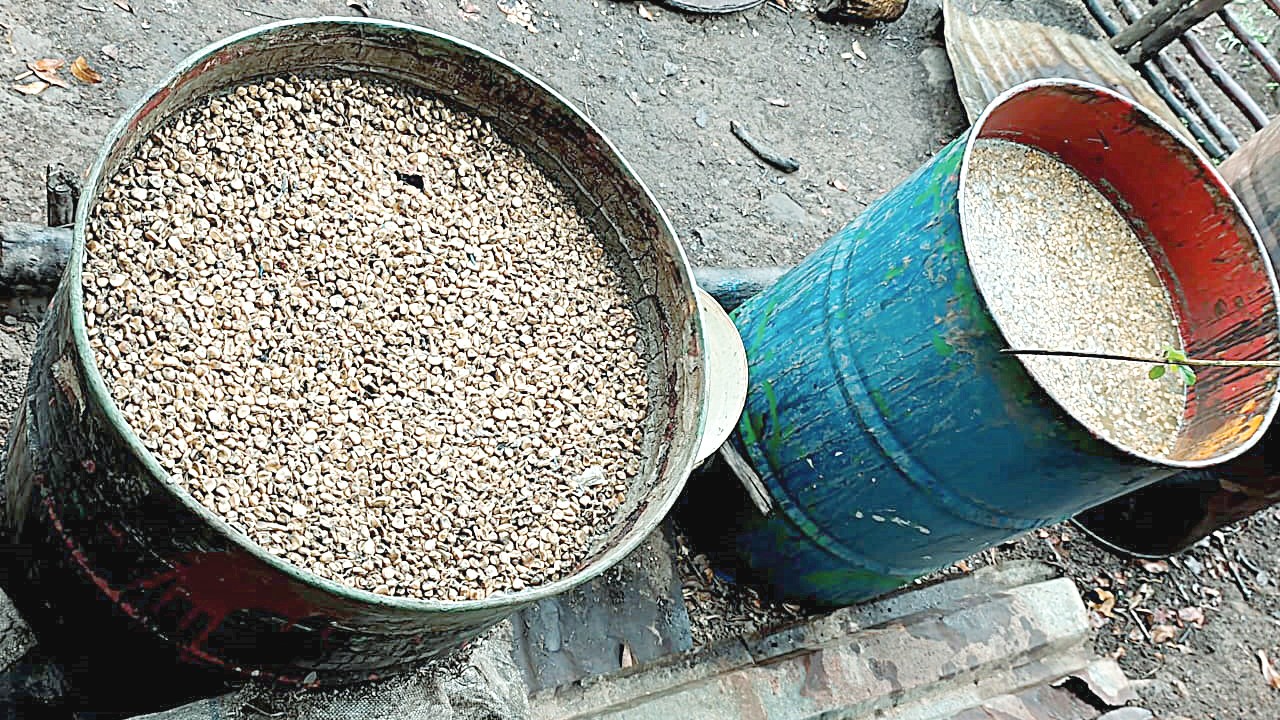
MBABANE – The effects of the deadly traditional fermented brew dontonto, also known as mankanjane, are far-reaching.
Not only is the brew deadly, but it also leads to severe health complications such as stunted growth among the youth and increased vulnerability to immune deficiency illnesses like tuberculosis (TB).
Health Promotion Officer in the Ministry of Health Sidumo Lukhele, has explained that smoking and alcohol consumption were major drivers of non-communicable diseases (NCDs). He added that unregulated fermented beverages are even more dangerous, as the presence of illicit or toxic substances in these drinks cannot be verified.
According to Lukhele, these substances often weaken an individual’s immune system, making them more susceptible to diseases such as TB.
Worth noting is that the police have repeatedly warned that consuming dontonto can cause severe illness or death. “These types of beverages are strongly discouraged as they can lead to life-threatening conditions,” said Lukhele.
He further noted that addiction is common among consumers, which in turn affects their socio-economic well-being and overall welfare. Lukhele also highlighted the dangers of selling such unregulated beverages, stressing that the absence of age restrictions at the places where they are sold results in young people being the main consumers.
“The substances used to brew these drinks are poisonous and interfere with the normal functioning and growth of the human body. This makes the brewing and sale of such beverages extremely harmful,” Lukhele added.
A 2009 study titled ‘Common Indigenous Fermented Foods and Beverages Produced in Swaziland’ revealed that several traditional fermented foods and beverages were made at household level in the country.
The review, authored by three University of Eswatini (UNESWA) lecturers and one from Massey University, listed locally fermented products sold at household level as being fermented maize (sancoti), porridges (incwancwa), milk products (emasi), non-alcoholic cereal beverage (emahewu) and alcoholic beverages including umcombotsi from sorghum (emabele) or millet (nyawotsi), malt-distilled spirits (mankanjane) and fermented fruit mashes like buganu (marula) and papaya beer.
Full article available in our publication.

















Leave a comment