

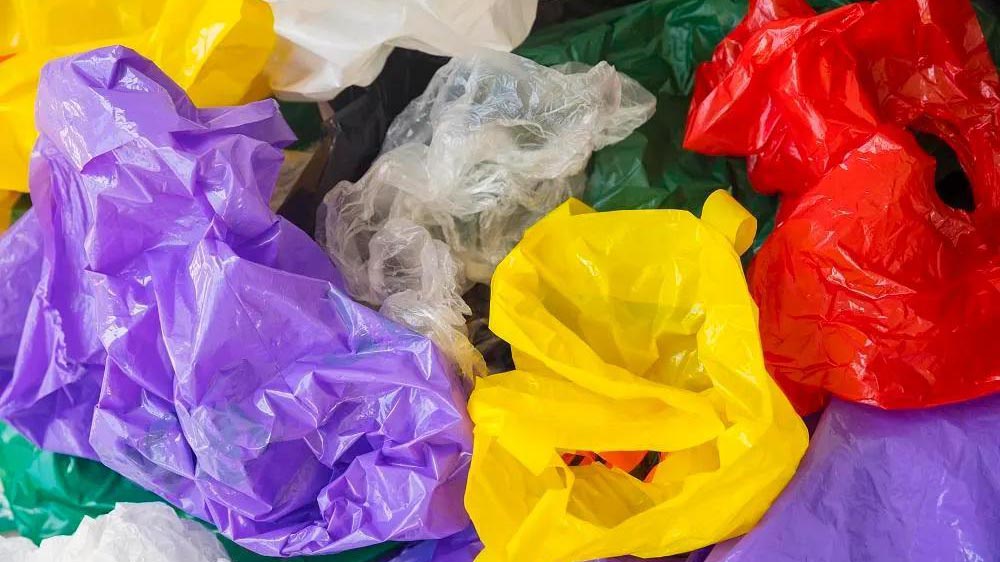
MBABANE – A routine purchase of plastic bags has highlighted growing inconsistencies in the enforcement of Eswatini’s plastic levy.
This causes confusion and concerns about fairness in the retail sector.
At a formal retail outlet in Mbabane, a pack of 100 plastic bags priced at E18 attracted an additional charge of 20 cents per bag under the plastic levy, bringing the total cost to E38. According to staff at the store, the levy is a legal requirement applicable to licensed sellers of plastic products. However, just a few metres away, another retailer was selling the same pack of plastic bags for E19, with no levy applied. The difference illustrates a long-standing challenge in the economy: Compliant, licensed businesses are required to collect and remit statutory levies, while some informal or unlicensed traders operate outside regulatory oversight, offering lower prices as a result.
Eswatini’s plastic levy was introduced to curb plastic pollution and encourage responsible consumption. Yet uneven application at retail level undermines both the environmental objective of the levy and fair competition among businesses.
Formal retailers argue that selective enforcement places them at a disadvantage, as consumers naturally settle towards cheaper alternatives, regardless of compliance. At the same time, government loses potential revenue when levies are not universally collected. Communications Officer in the Ministry of Tourism and Environmental Affairs Baphelele Dlamini revealed that there was an existing levy on plastics. However, she did not understand why some traders were not effecting the levy as required by policy. Policy experts have previously suggested that environmental levies would be more effective if collected at the point of importation or manufacture, rather than at retail level, to ensure universal compliance and remove distortions in pricing.
It should be mentioned that Parliament recommended a seven year extension on the plastic ban, which should be appropriate for local plastic manufacturers to diversify towards eco-friendly ideas. This was one of 10 recommendations that were made by the seven-member Parliament Select Committee on the ban of plastics led by Kubuta Member of Parliament Masiphula Mamba as the Chairman. The committee was tasked with investigating the ban on plastics through the Control of Plastic Ban Regulations, 2021.
*Full article available in our publication

















Leave a comment