

MBABANE – After several years of cautious credit extension, Eswatini’s banking sector is showing clear signs of easing lending conditions.
The banks are increasingly opening their lending taps to households, first-time borrowers and lower- to middle-income earners.
The shift comes amid persistent cost-of-living pressures, rising household financial needs and a broader policy push for financial inclusion. While credit risk management remains central, banks are recalibrating their lending appetite to balance prudence with accessibility.
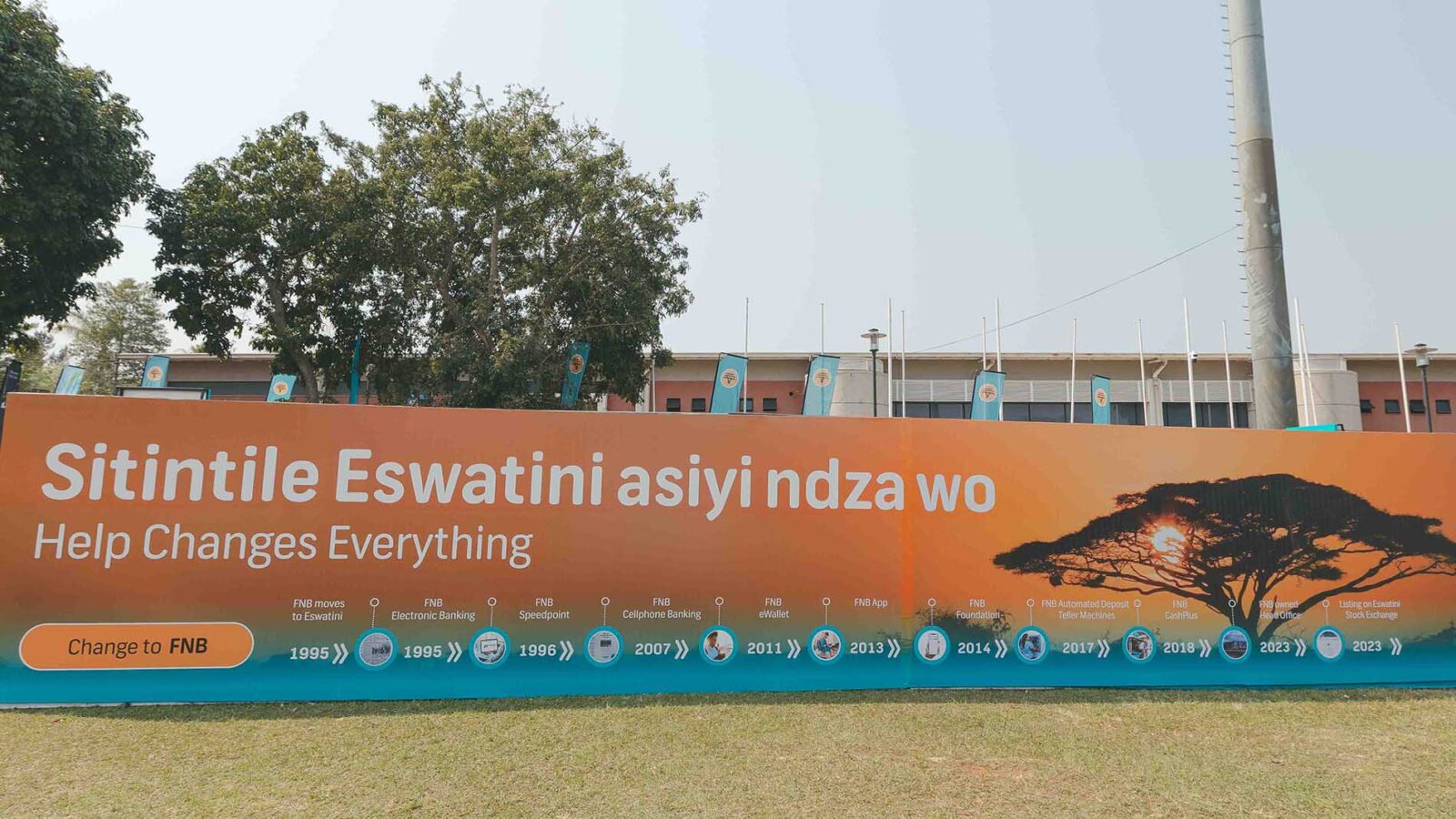
Among institutions illustrating this changing posture is FNB Eswatini, long regarded as one of the more conservative lenders in the local market.
Traditionally selective in its credit approvals, the bank has in recent months rolled out a wider suite of client-focused products, signalling a more inclusive approach to personal, lifestyle and home financing.
FNB Eswatini has reviewed its lending appetite to deliberately include the entry-level income segment, particularly customers earning between E2 000 and E8 000 per month.
This recalibration has been aimed at improving access to credit for working emaSwati who were previously underserved by traditional lending models, with the result being higher loan approval rates within this segment.
This renewed lending momentum is reflected across the bank’s unsecured loan offerings, lifestyle finance and its recent expansion into inclusive home ownership solutions. Collectively, these developments point to a broader industry trend where banks are responding to evolving consumer needs while seeking to support household resilience.
Under its unsecured lending portfolio, FNB Eswatini has positioned several products to address both short-term financial pressures and longer-term personal goals.
Through its ‘Help for life’s unexpected moments’ offering, customers can access FNB Pay Day Loans ranging from E200 to E20 000, repayable over three months. These facilities are designed to assist with emergencies such as school-related expenses or unforeseen household costs and are pre-approved for qualifying customers via the FNB App, allowing for instant access with minimal paperwork.
Complementing this is the FNB Overdraft facility, which provides salary-linked flexibility for customers whose monthly expenses may temporarily exceed income. Clients can access up to their net monthly salary for periods of up to 12 months, paying interest only on the amount utilised and settling balances at any time.
The product is positioned as a short-term buffer rather than a long-term debt solution, aligning with the bank’s emphasis on responsible borrowing.
For customers with larger funding needs, the bank is also promoting its Personal Loan offering, which allows borrowing of up to E500 000 with repayment terms of up to 84 months.
*..
… more home finance products
MBABANE – Most recently, more banks have also tapped into the home financing space.
Beyond unsecured lending, one of the most notable indicators of the FNB’s changing posture has been its move into more inclusive home financing.
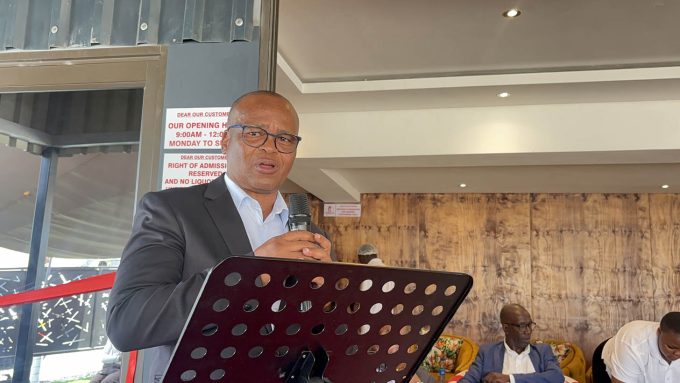
At the opening of the 2025 Eswatini International Trade Fair (EITF) at the Mavuso Trade and Exhibition Centre, FNB Eswatini unveiled its enhanced Sicalo Home Loan, designed specifically for emaSwati earning between E3 000 and E8 000 per month.
The facility represents a major expansion of the bank’s existing Umkhaya Home Loan and forms part of FNB Eswatini’s 30th anniversary celebrations. Through the Sicalo Home Loan, qualifying customers can borrow up to E90 000 to build on Eswatini Nation Land, an area historically excluded from mainstream mortgage finance due to tenure and collateral constraints.
FNB Eswatini Home Loans Lead Paris Dlamini said the product was about more than simply extending credit.
“At FNB, we understand that building a home is about more than bricks; it is about dignity, stability and creating something that lasts for your family.
*…
FNB extends credit lifeline to small businesses
MBABANE – As banks increasingly open lending taps to households, latest disclosures from FNB Eswatini show that small and medium enterprises (SMEs) are also emerging as a key focus of the sector’s evolving credit strategy.
In its 2025 Integrated Annual Report, FNB Eswatini notes that SME lending remains central to its growth agenda, reflecting the bank’s view that small businesses are critical to job creation, economic diversification and long-term resilience in the domestic economy.
The bank reported that SMEs continue to account for a significant share of its commercial loan book, with demand driven largely by working capital requirements, asset finance and expansion funding.
Despite a challenging operating environment marked by rising input costs and uneven consumer demand, FNB said its SME portfolio remained stable, supported by improved credit assessment frameworks and closer client engagement.
FNB Eswatini cautioned that while appetite for SME credit has strengthened, lending has remained disciplined, particularly given the sector’s vulnerability to cash-flow shocks.
The bank acknowledged that smaller enterprises continue to face structural challenges, including limited collateral, informal governance structures and exposure to volatile markets. To mitigate these risks, FNB said it has enhanced its risk-based lending approach, tailoring funding solutions to individual business models rather than applying uniform credit thresholds.
*Full article available in our publication



















Leave a comment