

MBABANE – The International Monetary Fund (IMF), through its regional technical assistance arm, has intensified efforts to bolster Eswatini’s financial sector resilience by providing specialised training on recovery planning for banks.
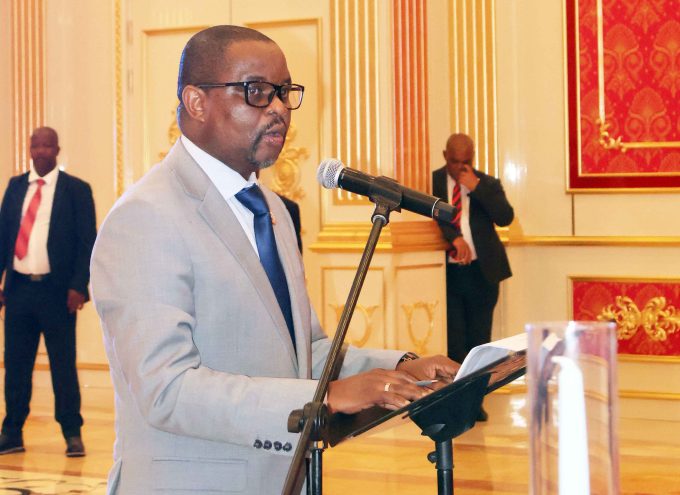
On Tuesday, the Governor of the Central Bank of Eswatini (CBE), Dr Phil Mnisi, met with Vern McKinley of IMF AFRITAC South, who was in the country on a Technical Assistance Mission. The mission focuses on equipping banks and regulators with the tools and frameworks necessary to develop and assess robust recovery plans in times of financial stress.
The initiative forms part of the CBE’s ongoing commitment to strengthening its supervisory and regulatory frameworks amid a rapidly evolving financial landscape.
Recovery planning has become an essential pillar of modern banking supervision globally, particularly in the wake of financial crises that exposed vulnerabilities in financial systems.
A recovery plan outlines the strategies and actions a bank would implement to restore its financial strength during periods of significant stress, thereby reducing the likelihood of failure and safeguarding depositors and the broader economy.
During the meeting, Governor Mnisi underscored the importance of proactive regulatory reform and institutional capacity building. He highlighted that the central bank is currently undergoing legislative reforms aimed at aligning Eswatini’s banking laws and supervisory practices with international standards.
“We also have two banks that have been granted provisional licences, and I am optimistic that you will provide them, like the rest of the industry, the necessary technical support in their recovery plans as they enter this highly dynamic market,” Mnisi said.
The governor’s remarks show a forward-looking approach by the regulator, particularly as the domestic banking sector prepares to welcome new entrants. Ensuring that both established institutions and newly licensed banks develop credible recovery plans is viewed as critical in maintaining financial stability and public confidence.
For the two provisionally licensed banks, the training comes at a pivotal stage. As they prepare to commence operations in a competitive and increasingly complex financial environment, early adoption of sound risk management and recovery frameworks will position them to respond effectively to potential shocks.
McKinley, representing IMF AFRITAC South, expressed appreciation for the engagement with the Central Bank and local financial institutions. He noted that the mission provided an opportunity to engage directly with banks on the processes required to put effective recovery plans in place, as well as clarifying the supervisory authority’s role in assessing their adequacy.
He emphasised the importance of collaboration between banks and regulators to ensure that recovery plans are practical, actionable and tailored to each institution’s risk profile. Supervisors, he added, must be equipped to evaluate whether such plans would be effective in dealing with various forms of distress, including liquidity pressures, capital erosion or operational disruptions.


















Leave a comment