

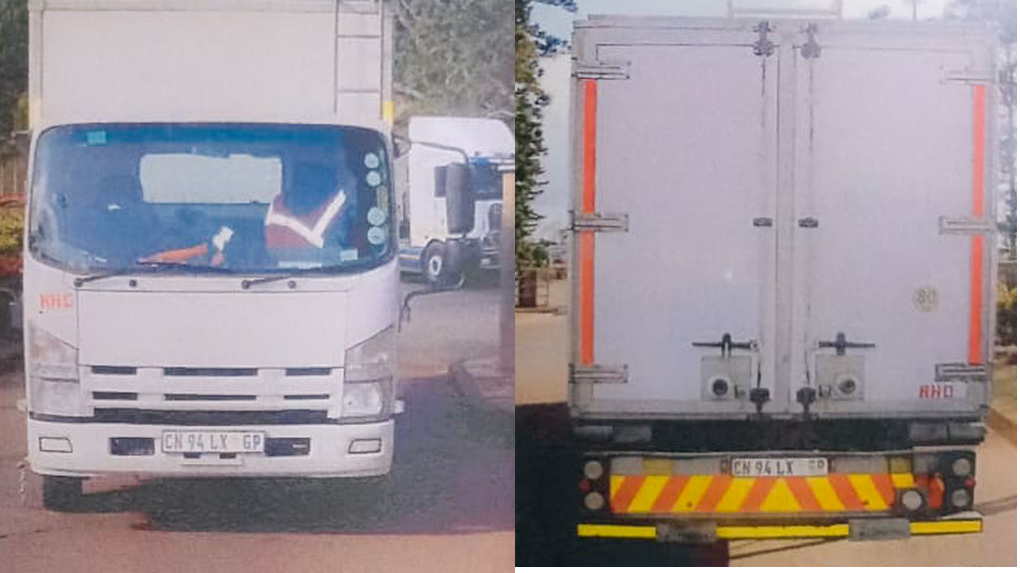
MBABANE – The High Court has granted an order for the preservation of 366 kilogrammes of hard drugs seized at the Lomahasha Border Gate.
This follows concerns that leaving the contraband in police custody for an extended period poses security risks.
A preservation order in terms of the Prevention of Organised Crime Act (POCA) is a court order that temporarily freezes property suspected to be linked to criminal activity, preventing it from being sold, transferred, hidden or disposed of while investigations or forfeiture proceedings are underway.
It was argued that large consignments of this nature pose risks if kept for extended periods, noting that individuals linked to the shipment could attempt to interfere with or recover the drugs without the knowledge of authorities.
The application was brought by the Office of the Director of Public Prosecutions, which argued that the large consignment, cash in different currencies and other items seized were instrumentalities of crime and liable to forfeiture to the State.
Police are currently searching for a Tanzanian national identified as Baraki Mkono, who is alleged to be a transporter of illicit drugs across several countries in the region. He is suspected to be a member of a well-organised drug syndicate engaged in the transnational trafficking of drugs.
According to the prosecution, Mkono is suspected of having, on several occasions, smuggled drugs from Mozambique to South Africa through Eswatini, using various ports of entry.
He allegedly abandoned a truck fitted with a concealed compartment at the Lomahasha Border Gate after immigration officers detected that he had been flagged in several countries as a suspected drug courier.
Upon searching the truck, police discovered 366 kilogrammes (kg) of hard drugs, including heroin, concealed inside a specially constructed false compartment. Two cellphones suspected to have been used in coordinating the criminal activities were also recovered, along with cash in different currencies.
The Crown contends that the presence of multiple currencies and international SIM cards found in the truck supports the suspicion that the suspect was operating across different jurisdictions.
Principal Crown Counsel Elsie Matsebula told the court that the truck was deliberately modified to facilitate cross-border drug trafficking.
She submitted that the false compartment was carefully planned and executed, involving intensive welding and fitting, demonstrating a high level of preparation.
“It would have been very difficult for the suspect to convey such a huge quantity of drugs without the truck. The vehicle was an essential tool in the commission of the offence,” she argued.
Matsebula further submitted that drug smugglers often avoid using their own property to evade asset recovery provisions, but in this instance, the suspect allegedly used his own vehicle, which she said suggested a bold and calculated operation.
*Full article available on Pressreader*




















Leave a comment