

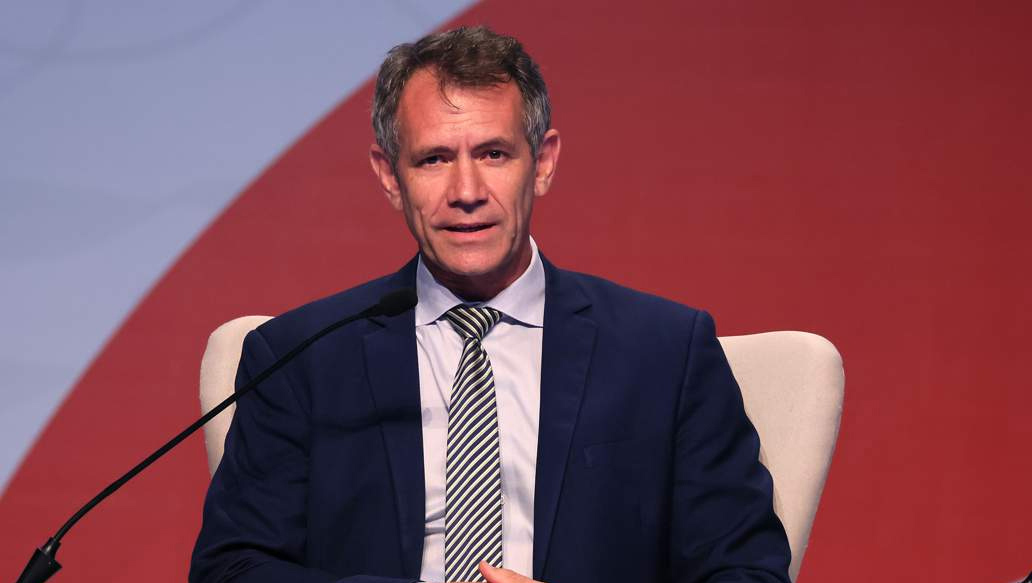
MBABANE – Minister for Finance Neal Rijkenberg is expected to table a national budget that favours ordinary consumers by stabilising prices, protecting incomes, improving public services and investing in economic growth.
When he delivers the budget at around 10am today, the minister will be guided by three key policy documents. These are the Speech from the Throne by King Mswati III, the 2026 Cabinet Retreat Declaration and the reform-focused budget presented this week in South Africa by Enoch Godongwana.
During the mid-term review, the national budget was projected at E32.6 billion.
Observers believe the minister’s message will centre on disciplined implementation of government programmes, firm economic growth, protection of vulnerable groups, investment in productive infrastructure and stronger action against corruption.
It is expected that Rijkenberg may echo South Africa’s emphasis on restoring credibility and maintaining strict control over public finances. However, he is likely to adjust these principles to suit Eswatini’s size, revenue structure and its dependence on the Southern African Customs Union (SACU).
For consumers, there is strong anticipation of short-term relief measures. These may include avoiding major new taxes, protecting social grants and improving the availability of medicines in public health facilities.
Such steps would help steady food and fuel prices, while keeping inflation under control. In the long term, benefits may come from infrastructure development, lower business costs, expanded energy sources, improved digital public services, stronger agriculture, job creation through industrial growth and stabilised national debt to prevent future financial crises.
Because the Lilangeni is pegged to the South African Rand and Eswatini imports about 80 per cent of its goods from South Africa, any tax or spending changes in Pretoria affect local prices. If South Africa eases tax pressure, it becomes difficult for Eswatini to move in the opposite direction without hurting consumers or affecting cross-border trade.
South Africa recently withdrew proposed tax increases, adjusted personal income tax brackets to match inflation and raised the VAT registration threshold for small businesses. These steps were meant to protect household spending power while keeping debt under control.
While Rijkenberg is unlikely to copy these measures exactly, analysts believe he may avoid introducing new broad-based taxes that reduce people’s take-home pay.
He has previously spoken about improving VAT collection, closing loopholes and tackling VAT fraud in supermarkets. According to the minister, this approach increases government revenue without putting extra pressure on taxpayers.
In a recent interview, Rijkenberg explained that diversifying revenue sources allows government to fund grassroots programmes such as the Rural Development Fund (RDF) and the Youth Fund.
By strengthening domestic funding, government can invest in small businesses, capital projects and community enterprises without relying heavily on external loans or grants.
This could complement support for small and medium enterprises (SMEs), especially as South Africa introduced tax measures aimed at supporting smaller businesses.
*…
… budget likely to support renewable energy initiatives
MBABANE – The budget is also likely to support renewable energy initiatives.
The Speech from the Throne acknowledged rising electricity import costs and called for cooperation with the Eswatini Electricity Company (EEC). South Africa’s reforms to attract private energy investment may provide a model for Eswatini.
Minister for Finance Neal Rijkenberg may, therefore, support policies that allow independent power producers to generate electricity and may offer financial support tied to reforms within the energy sector.
In the short term, this may not immediately reduce electricity tariffs. However, it could stabilise supply, reduce the risk of power cuts and limit price shocks from imported electricity. Over time, diversified energy sources may help control long-term costs for households.
South Africa’s strategy of stabilising debt, while investing in infrastructure is also reflected in Eswatini’s Cabinet Retreat report. Government has committed to tarring 500 kilometres of roads, developing industrial parks, constructing a national referral hospital and improving logistics infrastructure.
Rijkenberg may prioritise capital projects such as roads and industrial development rather than increasing day-to-day government spending. This could include refining public-private partnership (PPP) frameworks and announcing a clear borrowing plan focused on productive investments.
Infrastructure directly benefits consumers. Better roads reduce transport costs, which can lower prices in shops. Reliable energy reduces sudden tariff increases.
*Full article available on Pressreader*
MBABANE – Minister for Finance Neal Rijkenberg is expected to table a national budget that favours ordinary consumers by stabilising prices, protecting incomes, improving public services and investing in economic growth.
When he delivers the budget at around 10am today, the minister will be guided by three key policy documents. These are the Speech from the Throne by King Mswati III, the 2026 Cabinet Retreat Declaration and the reform-focused budget presented this week in South Africa by Enoch Godongwana.
During the mid-term review, the national budget was projected at E32.6 billion.
Observers believe the minister’s message will centre on disciplined implementation of government programmes, firm economic growth, protection of vulnerable groups, investment in productive infrastructure and stronger action against corruption.
It is expected that Rijkenberg may echo South Africa’s emphasis on restoring credibility and maintaining strict control over public finances. However, he is likely to adjust these principles to suit Eswatini’s size, revenue structure and its dependence on the Southern African Customs Union (SACU).
For consumers, there is strong anticipation of short-term relief measures. These may include avoiding major new taxes, protecting social grants and improving the availability of medicines in public health facilities.
Such steps would help steady food and fuel prices, while keeping inflation under control. In the long term, benefits may come from infrastructure development, lower business costs, expanded energy sources, improved digital public services, stronger agriculture, job creation through industrial growth and stabilised national debt to prevent future financial crises.
Because the Lilangeni is pegged to the South African Rand and Eswatini imports about 80 per cent of its goods from South Africa, any tax or spending changes in Pretoria affect local prices. If South Africa eases tax pressure, it becomes difficult for Eswatini to move in the opposite direction without hurting consumers or affecting cross-border trade.
South Africa recently withdrew proposed tax increases, adjusted personal income tax brackets to match inflation and raised the VAT registration threshold for small businesses. These steps were meant to protect household spending power while keeping debt under control.
While Rijkenberg is unlikely to copy these measures exactly, analysts believe he may avoid introducing new broad-based taxes that reduce people’s take-home pay.
He has previously spoken about improving VAT collection, closing loopholes and tackling VAT fraud in supermarkets. According to the minister, this approach increases government revenue without putting extra pressure on taxpayers.
In a recent interview, Rijkenberg explained that diversifying revenue sources allows government to fund grassroots programmes such as the Rural Development Fund (RDF) and the Youth Fund.
By strengthening domestic funding, government can invest in small businesses, capital projects and community enterprises without relying heavily on external loans or grants.
This could complement support for small and medium enterprises (SMEs), especially as South Africa introduced tax measures aimed at supporting smaller businesses.
*…
… budget likely to support renewable energy initiatives
MBABANE – The budget is also likely to support renewable energy initiatives.
The Speech from the Throne acknowledged rising electricity import costs and called for cooperation with the Eswatini Electricity Company (EEC). South Africa’s reforms to attract private energy investment may provide a model for Eswatini.
Minister for Finance Neal Rijkenberg may, therefore, support policies that allow independent power producers to generate electricity and may offer financial support tied to reforms within the energy sector.
In the short term, this may not immediately reduce electricity tariffs. However, it could stabilise supply, reduce the risk of power cuts and limit price shocks from imported electricity. Over time, diversified energy sources may help control long-term costs for households.
South Africa’s strategy of stabilising debt, while investing in infrastructure is also reflected in Eswatini’s Cabinet Retreat report. Government has committed to tarring 500 kilometres of roads, developing industrial parks, constructing a national referral hospital and improving logistics infrastructure.
Rijkenberg may prioritise capital projects such as roads and industrial development rather than increasing day-to-day government spending. This could include refining public-private partnership (PPP) frameworks and announcing a clear borrowing plan focused on productive investments.
Infrastructure directly benefits consumers. Better roads reduce transport costs, which can lower prices in shops. Reliable energy reduces sudden tariff increases.
*Full article available on Pressreader*














Leave a comment