

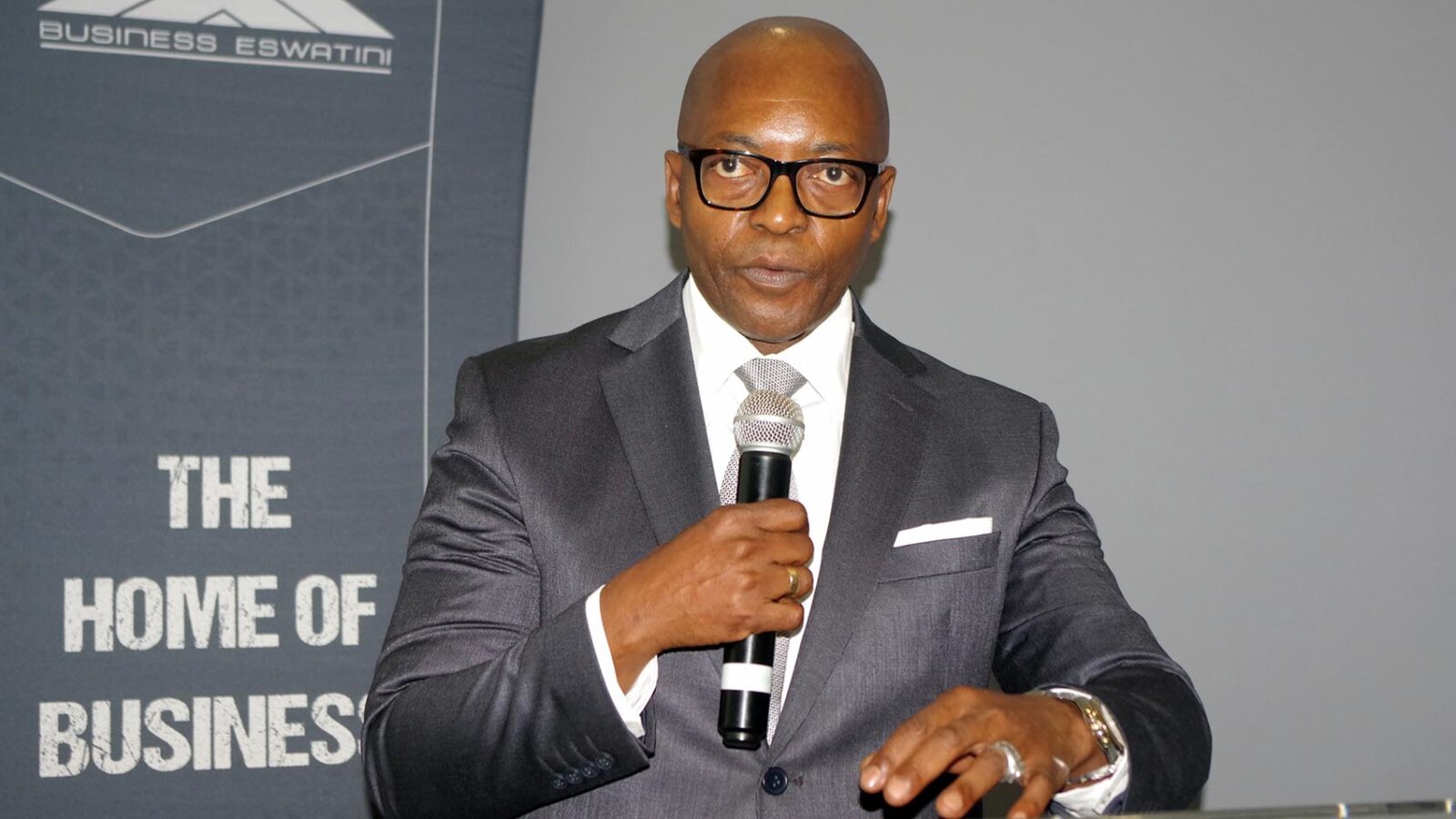
MBABANE – As the nation prepares for the tabling of the 2026/27 National Budget, Business Eswatini (BE) has issued a comprehensive roadmap of expectations aimed at steering the economy toward private-sector-led growth.
Tomorrow, Minister for Finance Neal Rijkenberg will stand before Parliament to deliver a speech that BE hopes will prioritise ‘disciplined yet growth-focused’ fiscal policy.
The following outlines the private sector’s formal expectations for the upcoming fiscal framework:
- Job Creation and Skills Alignment: BE identifies youth unemployment as the most pressing socio-economic challenge. They are calling for targeted job creation in productive sectors and stronger alignment between university/TVET curricula and actual industry needs to address the current skills mismatch.
- Energy Security and Utility Stabilisation: To maintain competitiveness, the private sector is seeking clarity on the procurement of local generation capacity to reduce reliance on electricity imports. BE also expects policy certainty regarding Independent Power Producers (IPPs) and embedded generation.
- Fiscal Discipline and Debt Management: With national debt always a concern, BE urges the Minister to present a budget that prioritizes fiscal sustainability. This includes a commitment to reducing the budget deficit and managing public debt to ensure long-term macroeconomic stability.
- Tax Policy and Revenue Administration: The private sector is advocating for a tax environment that encourages investment rather than stifling it. This includes improving the efficiency of tax collection through the Eswatini Revenue Service (ERS) while avoiding the introduction of new, burdensome taxes.
- Small and Medium Enterprise (SME) Support: BE emphasizes that SMEs are the engine of the economy. They expect the budget to include specific financial instruments and simplified regulatory requirements to help small businesses thrive.
- Public Sector Efficiency: There is a strong call for right-sizing the public wage bill and improving the efficiency of government service delivery. BE suggests that digital transformation (such as the IFMIS rollout) should lead to more streamlined processes and reduced wastage.
- Agricultural Productivity and Food Security: The budget should prioritise investments in irrigation infrastructure and climate-resilient farming. BE expects measures that help the agricultural sector move from subsistence to commercialized high-value production.
- Infrastructure and Return on Investment: While infrastructure development is critical, BE argues that priority must be given to projects with measurable economic returns. They are calling for transparent project selection and enhanced oversight to prevent budget overruns.
- Improving the Investment Climate: Finally, BE is calling for a structured Regulatory Impact Assessment (RIA) framework to be implemented before any new regulations are introduced. The goal is to improve the ease of doing business and provide much-needed certainty for both domestic and foreign investors.
A Critical Moment for the Economy
Minister Rijkenberg’s address comes at a time when the economy is projected to grow by approximately 4.6 per cent in 2026, driven largely by capital projects. However, with a reported deficit of roughly E3 billion in the previous fiscal cycle, the “Nkwe” (swift action) approach demanded by the Prime Minister must be balanced with the fiscal discipline BE is championing.
“The overarching priority must be restoring competitiveness and accelerating private-sector-led job creation,” the BE document concludes.
All eyes will be on the Minister tomorrow to see if the 2026/27 Budget provides the stable, reform-oriented framework the business community is waiting for.















Leave a comment