

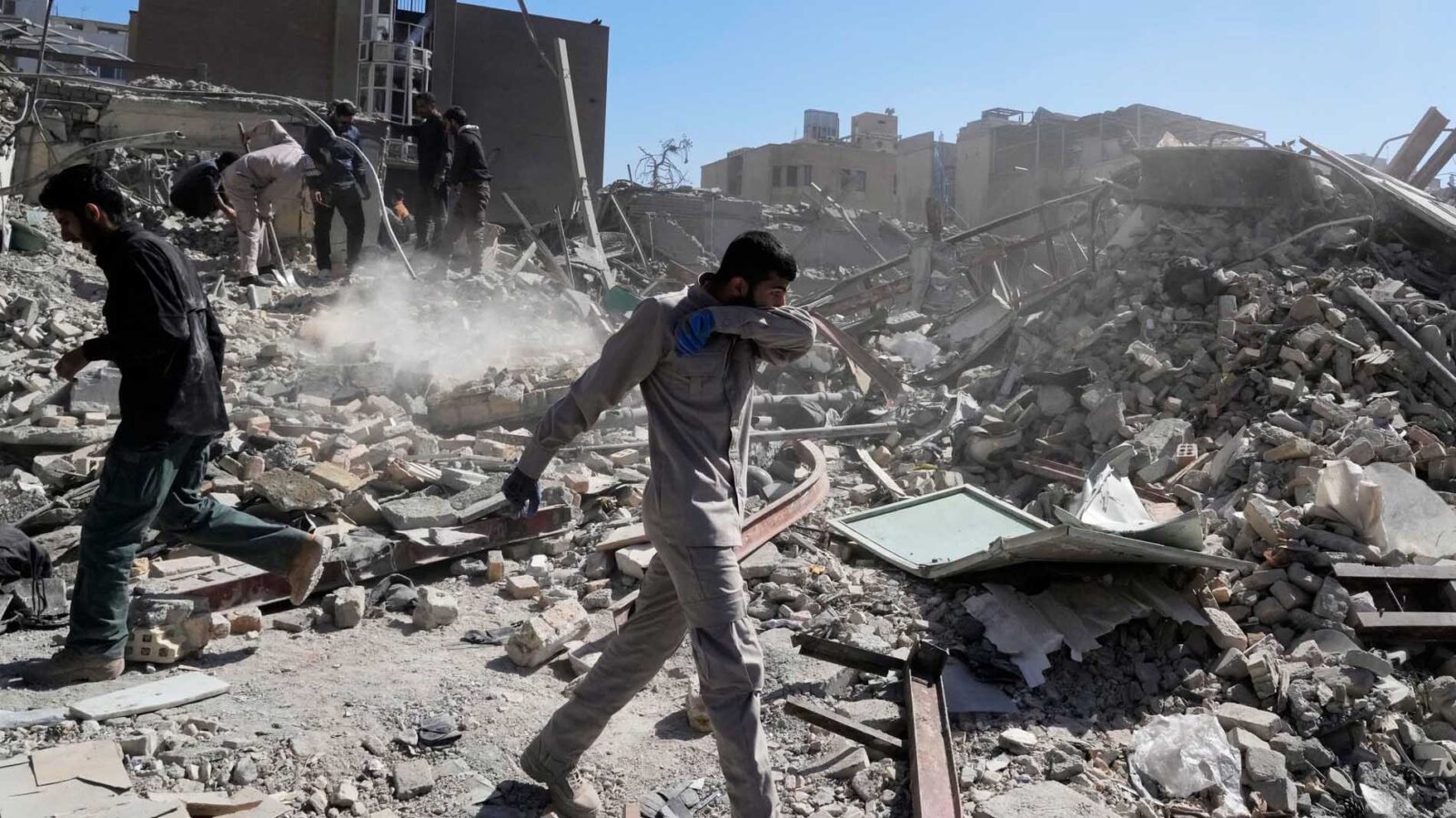
MANZINI – Economic growth threatened.
Economists and champions of investment have warned that the financial solutions provided in the E36.92 billion Budget Speech hang in the balance as the US war on Iran is poised to negate economic growth in developing nations, including Eswatini.
Two days after the war was triggered by bombs, it has been reported that it is causing severe economic shocks in Africa through surging fuel/energy prices, disrupted trade routes and potential inflationary pressure on food and imports. Rising oil costs directly strain economies, particularly affecting transportation, manufacturing and consumer prices, aggravating fiscal instability.
The Federation of Eswatini Business Community (FESBC) Chief Executive Officer Benjamin Simelane said yesterday, the ongoing conflict and the closure of the Strait of Hormuz can have profound negative effects on Eswatini’s economy, particularly given its reliance on imports, exports and external trade.
He said traders must prepare for increased shipping costs and delays due to disrupted supply routes. This, may herald higher prices for imported goods, especially fuel, affecting consumers and businesses relying on imported raw materials and products.
Under exports, Simelane said the business community can expect difficulties in exporting goods, especially if shipping routes are affected or if international buyers become hesitant due to geopolitical instability.
On the same note, he said disruptions in air freight and overland transport will lead to delays and increased operational costs.
FESBC foresees reduced investor confidence, owing to global instability, which can deter investment in local micro, small and medium enterprises (MSMEs).
He advised businesses to diversify supply chain by seeking local or regional suppliers to reduce dependency on distant or vulnerable routes.
He said they can also focus on regional markets within Southern Africa to mitigate international trade disruptions.
On digital and e-commerce platforms, Simelane said businesses can utilise online sales channels to reach customers directly, reducing reliance on physical exports. They are also advised to improve inventory management by building up buffer stocks where possible to cushion against supply delays.
“They can also review operational costs and optimise to remain competitive amid rising expenses. They are advised to invest in local raw material production to reduce reliance on imports,” he said.
Simelane said though the war started on Saturday, some MSMEs may have already experienced delays in receiving raw materials or finished goods. FESBC said general economic uncertainty might have diminished consumer spending and investment.
*…
War weakening Lilangeni – economist
MANZINI – Economist Sanele Sibiya has registered fears that the raging war between the United States of America and Iran is denting the Lilangeni exchange against major currencies.
He said as a result, investors are shifting their holdings away from emerging economies to more stable advanced economies, with a better propensity to shoulder the shock.
“At close of business yesterday, the USD/SZL was sitting comfortably at E16.58 from approximately E15.98 just last week Friday before the war started. Businesses importing input materials and other cost of sales-related implements are now paying an additional E0.60 on every Dollar. This makes imports into the production process expensive and thus, this is a direct cost that businesses have to bear on spot markets,” he said.
Sibiya said this results in increases in producer costs and effectively affects competitiveness on the domestic markets as part of that will be passed on to the consumer.
“However, there are short-term benefits to the currency weakness as it makes our commodities relatively cheap in the global markets. That is for commodities that will be produced with inputs sourced before the disruption,” he adds.
The economist says the Middle East had become the financial capital of the world and the connection capital of the world.
“Currently, businesses that used air-cargo that had to traverse through the gulf States are feeling the impact. That is in the sense that air travel has halted and this results in a logistical nightmare and therefore, business travel is restricted and businesses may also have to find alternative routes to get products into Eswatini. This may be more expensive and as such, this will have to be passed on to consumers.”
In that regard, Sibiya said European markets are on edge because of the escalating price of LNG and inflation fears are returning into European markets; this will be reduced in diminished demand from the European countries if this persists.
He said European stock markets are showing signs of heavy pricing in another energy shock into their investment decisions with the FTSE100 losing more than 400 points in trade yesterday.
*Full article available on Pressreader*
















Leave a comment