

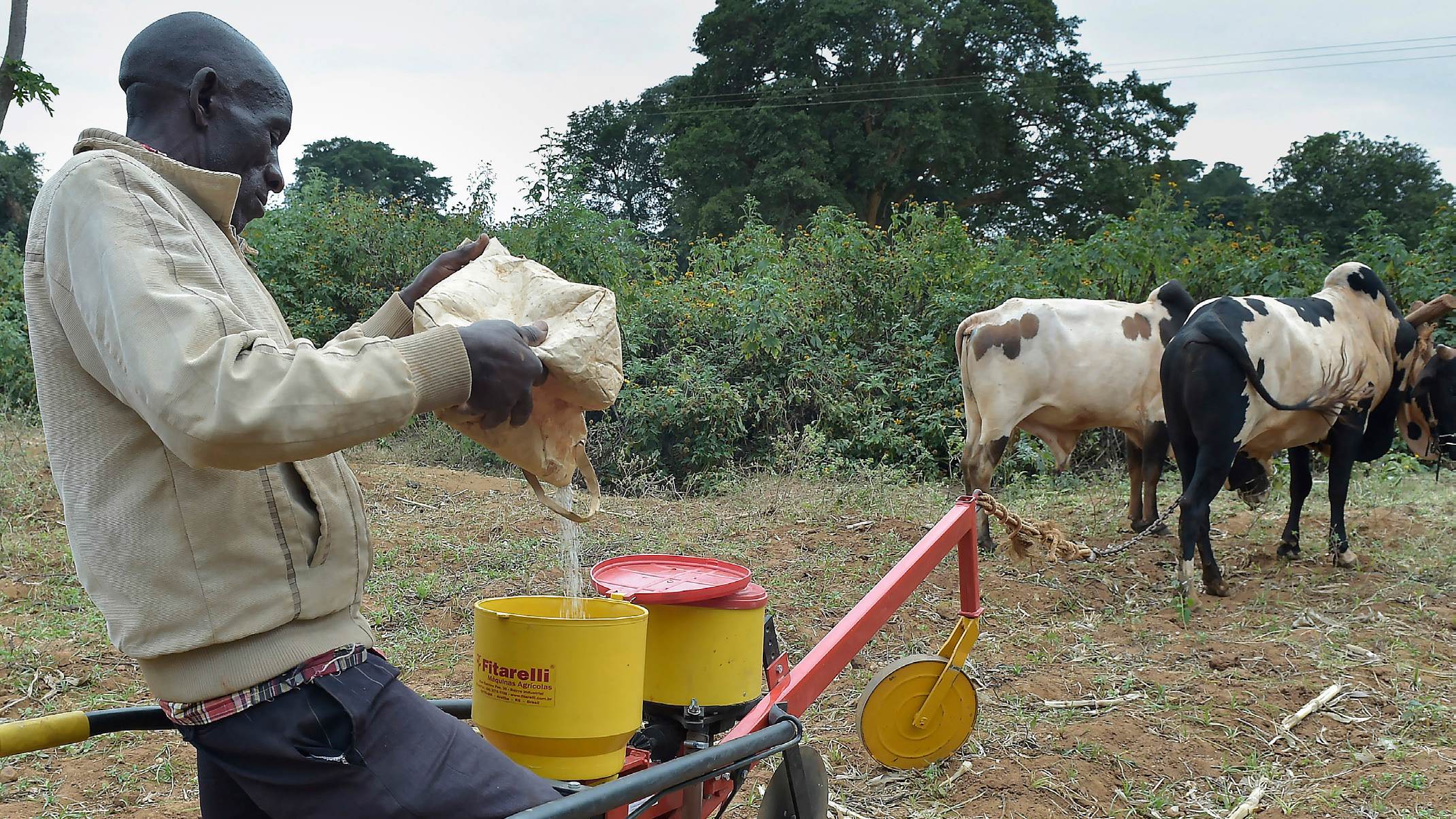
Farming is becoming more challenging as soil fertility declines, rainfall patterns grow more erratic and input costs continue to rise.
In the era of climate change, these challenges are worsening, with farmers facing erratic weather patterns, prolonged droughts, flooding and declining soil productivity.
To overcome these obstacles and secure better harvests while safeguarding livelihoods, Soil Science and Plant Nutrition Research Officer in the Department of Agricultural Research and Specialist Services at the Ministry of Agriculture, Bongani Mvubu, highlights the need for farmers to adopt practices that work with nature rather than against it.
He mentions that Conservation Agriculture (CA) offers a practical and proven alternative to conventional tillage, helping conserve moisture, protect soils, reduce labour, lower input costs and achieve more stable yields over time.
“It is a climate-smart farming approach that builds resilience while improving soil health and reducing greenhouse gas emissions,” he said.
CA and climate change
Mvubu says CA plays a tri-role in adaptation and mitigation while enhancing farm resilience:
- Adaptation: By conserving soil moisture, reducing erosion and improving soil structure, CA enables crops to withstand dry spells and heavy rains. Permanent soil cover and crop diversification provide a buffer against climate shocks.
- Mitigation: CA reduces carbon emissions from frequent tillage, promotes carbon sequestration through crop residues and increases soil organic matter, which locks carbon in the soil.
- Resilience: Healthy, well-structured soils store more water, recycle nutrients efficiently and support biodiversity, all of which help farms remain productive under changing climatic conditions.
How CA improves soil health
- Enhances soil organic matter: Residues decompose slowly, enriching the soil with nutrients.
- Improves soil structure: Stable aggregates reduce compaction and erosion.
- Boosts water retention and infiltration: Soils absorb and store more rainfall, reducing runoff and drought stress.
- Supports biodiversity: Earthworms, microbes and beneficial insects thrive under permanent cover and reduced disturbance.
- Maintains long-term fertility: Improved nutrient cycling sustains productivity over many seasons.
Three pillars of CA
Minimum soil disturbance (core principle)
Benefits: Protects soil structure, reduces erosion, conserves organic matter and minimises carbon loss.
Practices:
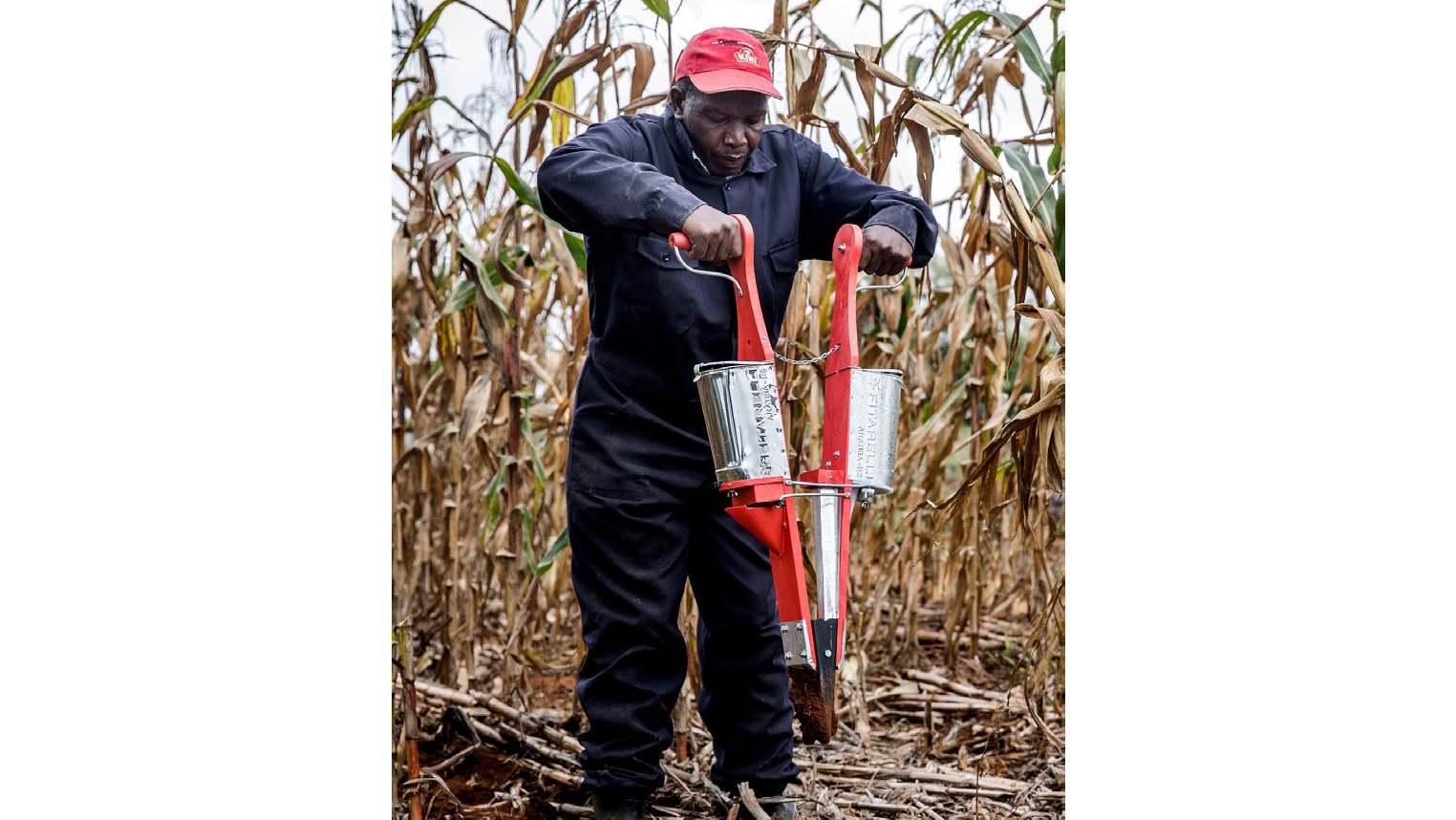
- Direct planting into crop residues (no-till)
- Ripping/subsoiling only in planting lines
- Avoiding repeated ploughing and harrowing
How minimum tillage improves soil structure and fertility:
- Maintains stable soil aggregates and reduces erosion
- Enhances organic matter through slow decomposition of residues
- Supports soil organisms that recycle nutrients and improve fertility
- Improves water infiltration and retention
- Builds long-term soil resilience against climate shocks
Permanent soil cover
Crop residues, mulch or cover crops protect the soil from erosion, reduce evaporation, suppress weeds and provide organic matter.
Residues act as a shield against heavy rainfall and as a moisture blanket during drought.
Crop diversification
Crop rotation and intercropping improve soil fertility, break pest and disease cycles and reduce reliance on chemical inputs.
Diverse crops increase resilience to climate variability and provide farmers with multiple sources of food and income.
Practical tips for implementing CA
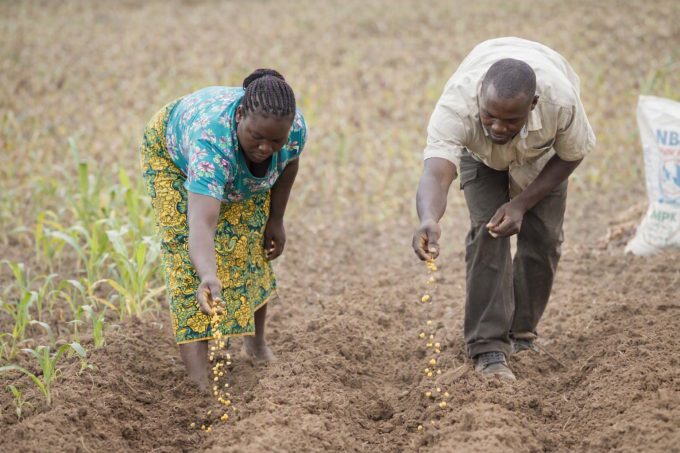
- Plant early to take advantage of the first rains.
- Regularly test soil for fertility and pH.
- Incorporate organic matter before planting.
- Avoid burning residues, use them as mulch instead.
- Manage weeds using mulches, cover crops or timely weeding instead of repeated ploughing.
Mvubu mentions that CA is not just a farming technique but a climate-smart pathway toward sustainable agriculture.
“By adopting the three core principles, particularly minimum soil disturbance, farmers can conserve resources, improve soil fertility and adapt to climate change while contributing to its mitigation.
“In the long run, CA builds productive, resilient and environmentally friendly farming systems that ensure food security for future generations,” he said.


















Leave a comment