

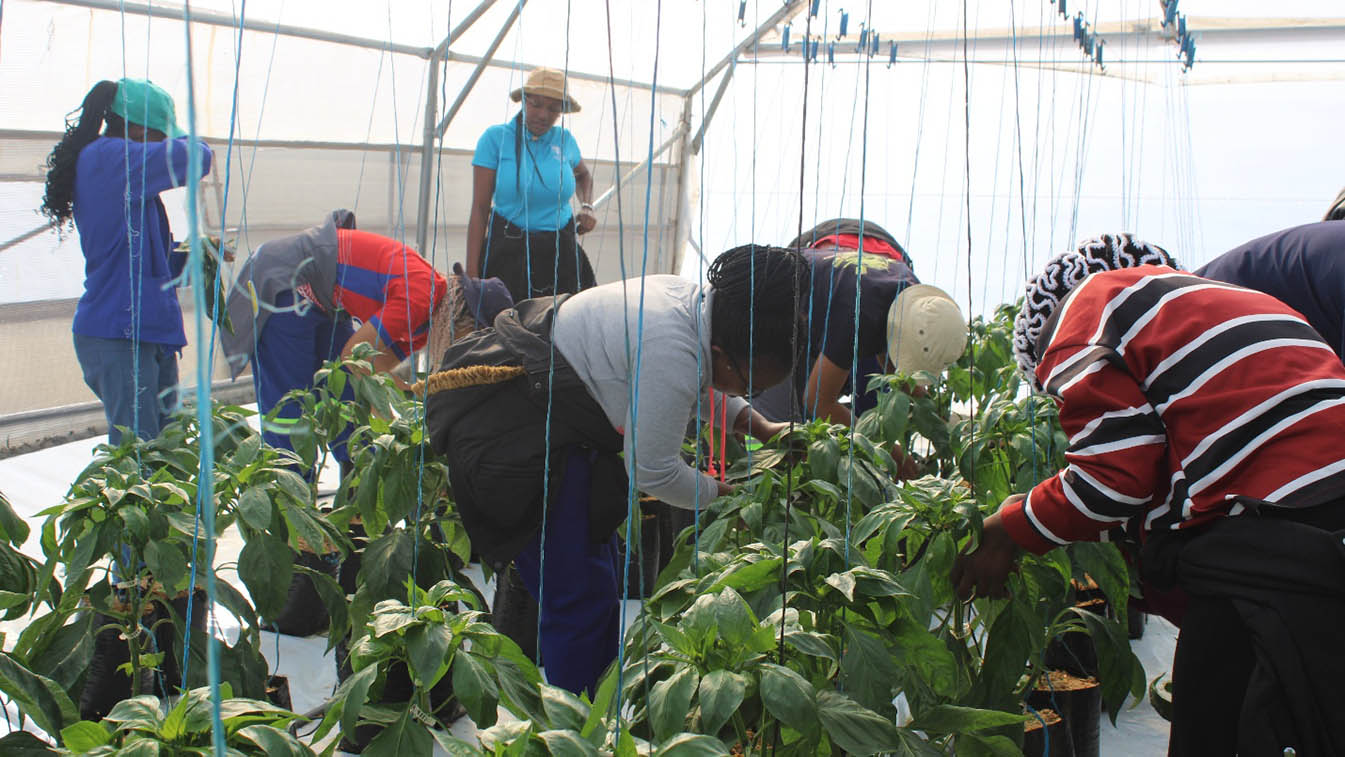
As Eswatini grapples with the dual challenges of youth unemployment and climate-induced food insecurity, a quiet revolution is taking root in the soil.
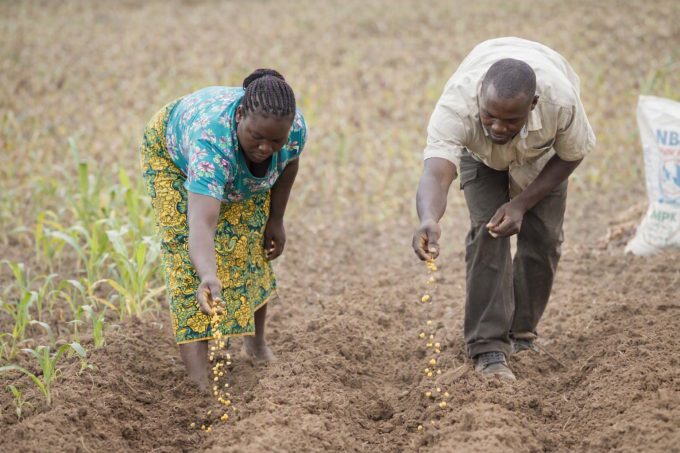
Across the country, a new generation of young people is stepping away from traditional, weather-dependent farming and embracing innovative, climate-smart agriculture to secure their futures and feed the nation.
This shift was vividly on display with the recent completion of training for Cohorts 12 and 13 of the Innovative Climate-Smart Youth Tunnel Production Training Programme, facilitated by the Woman Farmer Foundation.
The intensive initiative has equipped these aspiring young agripreneurs with critical technical skills, ranging from protective tunnel farming and sustainable agriculture to hands-on agribusiness management and entrepreneurship.
Rather than viewing agriculture as a fallback option, the enthusiastic participants demonstrated throughout their training that with the right skills, the land can be a powerhouse for economic independence.
From job seekers to job creators
Throughout the programme, the students were exposed to modern tunnel production technologies, business planning, financial management and marketing. They didn’t just learn how to grow crops; they learnt how to build profitable and sustainable businesses.
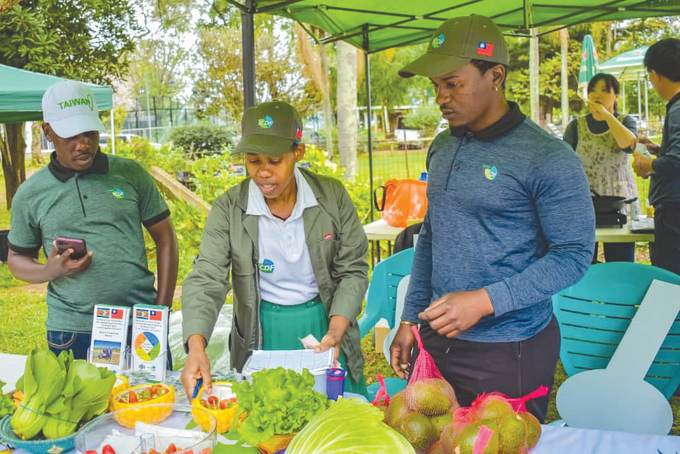
A particularly encouraging highlight of the programme was the enterprise development phase. Through business pitching exercises, the youth showcased innovative business ideas spanning high-value vegetable production, livestock enterprises, field crops, fruit tree cultivation and agricultural services.
These pitches proved that Eswatini’s youth possess the vision to become job creators rather than job seekers, injecting fresh innovation into the agricultural value chain.
The success of these transformative training sessions is a testament to the power of deliberate collaboration.
The Woman Farmer Foundation extends its sincere appreciation to all dedicated stakeholders, technical partners, facilitators and development organisations whose mentorship, expertise and resource support made this programme possible.
By investing in these young minds, these stakeholders have laid a solid foundation for sustainable rural development.
funding gap: A
call for capital
However, equipping the youth with knowledge is only the first step of a much longer journey. While these newly-trained youth possess the passion, business plans and technical know-how to run high-yielding farming enterprises, they face a towering barrier as they prepare to launch; capital.
Transitioning from a training ground to a commercial reality requires starting infrastructure. Setting up modern agricultural operations, such as installing greenhouse tunnels, setting up reliable drip irrigation systems and purchasing input requires upfront capital that most young people simply do not have.
If Eswatini is to truly dismantle youth unemployment and achieve food security, we must bridge the gap between training and enterprise.
This is a critical call to action for financial institutions, development partners, the private sector and philanthropic organisations. Providing tailored, youth-friendly financial support, such as low-interest loans, agricultural grants and flexible start-up capital packages, is no longer just corporate social responsibility; it is a strategic economic investment.
A growing movement
The desire for self-reliance is clearly surging. As recruitment activities and interviews get underway for Cohort 14, the foundation noted an overwhelming response from young people, particularly young women, eager to enter the climate-smart agricultural sector.
For those who want to catch the final wave of this transformative year, applications have officially opened for Cohort 15, marking the final intake of the programme for the year. Interested youth looking to build a viable career in agribusiness are encouraged to take advantage of this unique opportunity.
The youth have shown up, rolled up their sleeves and mastered the science of modern farming. Now, it is up to the nation’s financial ecosystem to give them the financial roots to grow.
For further information regarding Cohort 15 applications and/or any other queries, interested youth can contact the Woman Farmer Foundation directly at +268 7602 7207.















Leave a comment