

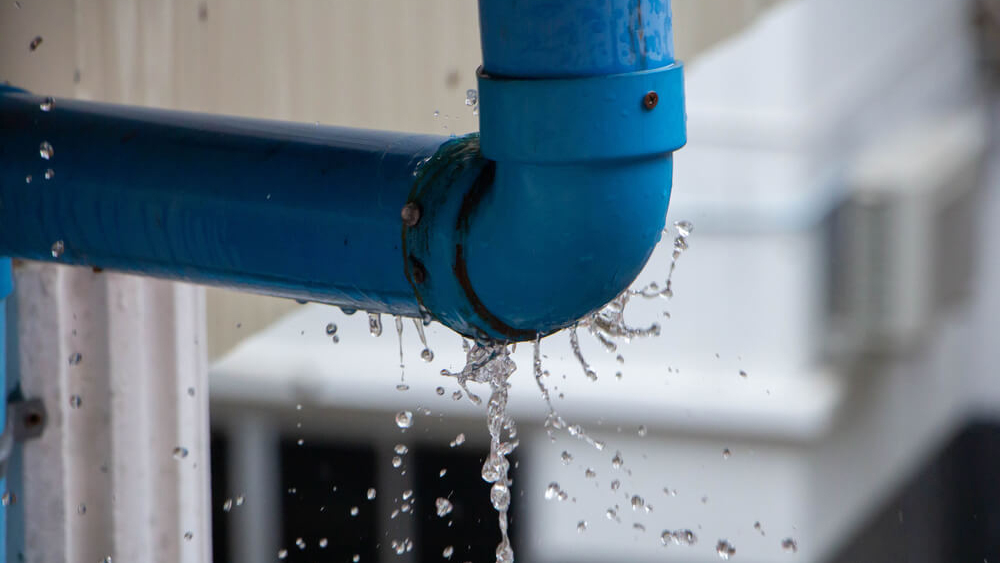
Plumbing leaks can be a common and frustrating issue for homeowners and businesses alike.
Not only do they waste water and lead to increased utility bills, but they can also cause damage to property if left untreated.
To shed light on this topic, we consulted Edmund Sikhonze, a knowledgeable plumber, who guided us on spotting leaks and taking swift action to address them effectively.
One of the key signs that indicate a potential water leak is discoloration or dampness on walls. According to Sikhonze, if a pipe has a leak behind a wall, the water can accumulate and cause the area to turn green.
“Eventually, the plaster might start to peel off. If you notice these signs, it’s crucial to act promptly,” he said.
To minimise the potential damage, he advises closing the valve outside your property as soon as you suspect a leak.
“This will help stop the water flow and prevent further water damage. Afterward, it’s essential to contact a reliable plumber immediately to assess and repair the issue,” added Sikhonze.
Another valuable tip shared by the plumber is learning how to read your water meter. By regularly checking the meter, you can monitor water usage and detect any unexpected increase. If the meter continues to run even when no water is being used in the house, it suggests a hidden leak that needs urgent attention. In such cases, calling a plumber promptly is crucial to prevent a significant increase in your water bill.
“It’s vital to inspect all your taps and ensure they are properly tightened.
Even a small drip can waste a significant amount of water over time, so addressing any leaks promptly can help conserve water and save on your utility bills,” he advised.
Reasons why pipes can break in warm weather:
Most families use more water in the summer than at any other time of the year. As your usage goes up, be aware that broken pipes can be caused by the following:
Tree roots: The roots of your beautiful shade tree might be drawn towards the tiniest sewer leak. Over time, root tendrils can make their way inside the pipe, expanding until they clog or split the sewer line entirely.
Alternating wet and dry spells: Rainy summer days make the soil in your yard heavy with moisture. Then, dry periods can loosen the dirt and cause it to shift. Both scenarios can jostle pipes around and cause breaks.
Rust and old age: Corroded pipe joints, aging seals and hardened rubber hoses can wear out, weaken and eventually fail any time of year.
Substandard repair work: It can be hard to spot a shoddy soldering job until it’s too late. That’s why it’s best to rely on a plumber for extensive pipe repairs.
Poorly aimed shovels: Construction and landscaping projects are common summertime activities. Make sure you know where your plumbing is located before you dig!
What to do if you find a broken pipe
When a broken pipe floods your home, every minute counts. Here’s how to minimise the water damage and begin the restoration process:
Act fast: Turn your home’s main water shutoff valve to stop the flow of water from a broken supply line. If the break is a sewer pipe, pause all water usage to avoid adding to the leak.
Fix the break: You’ll need a plumber’s help to find and replace the damaged pipe. Be prepared to cut holes in the wall or dig trenches in the yard, depending on where the break occurred.
Clean up the water: You must dry your home’s structure quickly to avoid mould growth. Begin by soaking up standing water, opening the windows and setting up fans.


















Leave a comment