

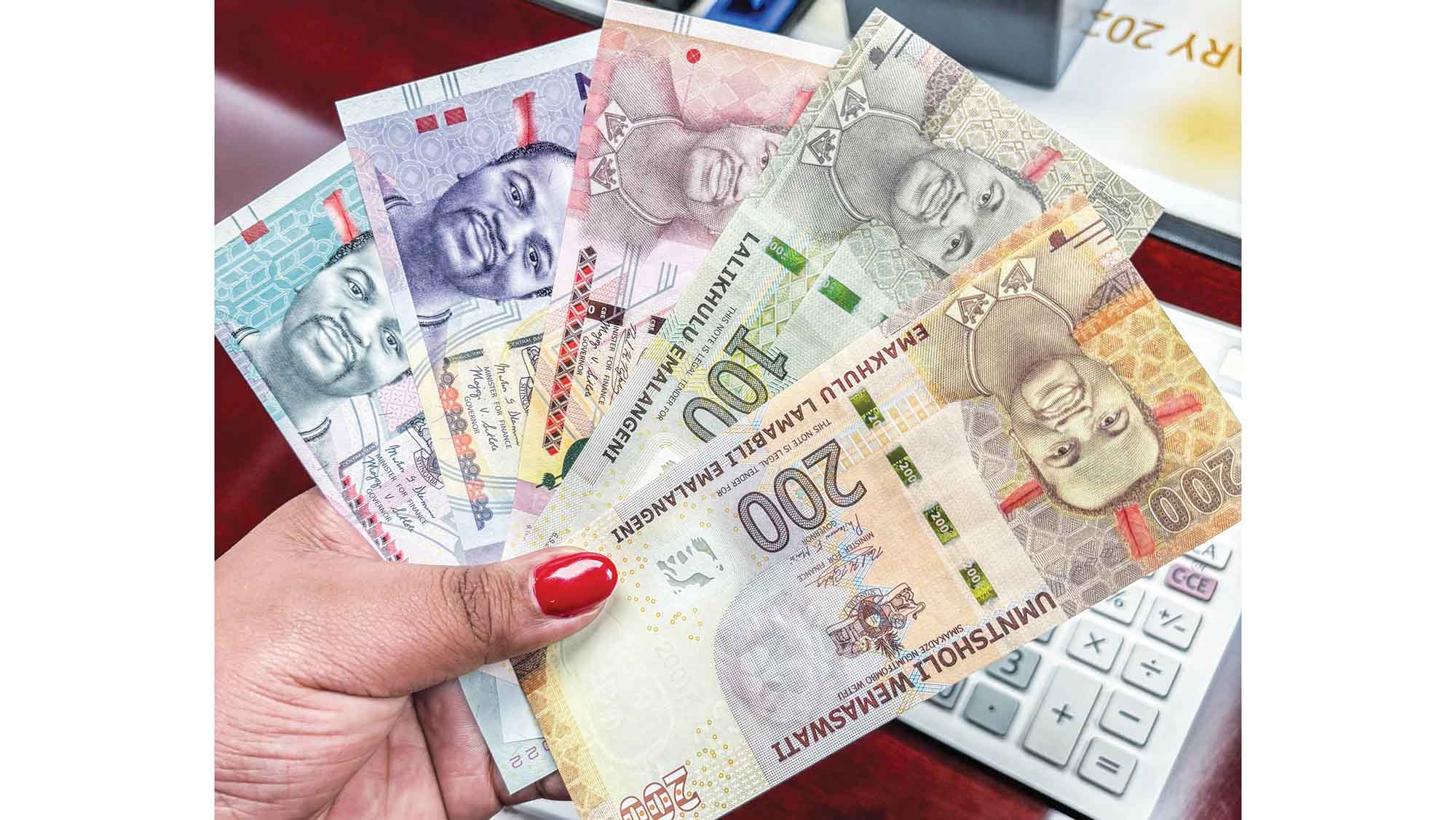
The December payout season is here, whether it’s your employer’s bonus or that long-awaited stokvel payout. We know how quickly festive joy can turn into January stress; so, before you splash out on groceries, travel and family treats, here are practical ways to make that money work for you and still enjoy the season.
That lumpsum hitting your bank account can feel like winning the lottery. You may feel like buying that new lounge suite, taking that dream holiday to Durban or doing that Christmas clothes shopping. However, this feeling of instant wealth is fleeting. According to financial advice shared on True Love magazine, treating your bonus and stokvel payout like a windfall, instead of earned income, is the single biggest mistake people make.
Start with a plan: Prioritise essentials first
Before the party mood takes over, list what must be paid in the new year: School fees, rent, medical bills and any seasonal obligations.
Use part of your bonus to settle these predictable costs so January doesn’t arrive as a financial hangover. This is exactly the advice finance experts give, paying forward known expenses avoids using your normal salary to plug holiday spending.
Follow a simple split, save, pay debt, enjoy
A rule of thumb that keeps working is to divide the money into three pots: Debt reduction (or essential payments), savings/emergency fund and a small ‘fun’ pot for a treat. Some advisers suggest an 80/20 approach for major payouts, most goes to goals, a little to reward yourself but you can adapt the split to your needs. The key is balance: Enjoy a treat, but don’t trade short-term thrills for long-term stress.
Pay down the most expensive debt first
If you carry high-interest loans, use part of your bonus to reduce them. Clearing or trimming high-interest debt frees up monthly cashflow and reduces what you’ll pay in interest next year, a move that often feels like getting a guaranteed return on your money. Financial planners consistently recommend this step as the best ‘investment’ many households can make.
Keep some away for January
A small but powerful trick is to place money in a short notice account or fixed deposit so it’s not immediately available for impulse buys. Advisers point to products like 32-day notice accounts so you can’t touch the cash right away, which means you’ll have something left when bills hit in January. Most banks in Eswatini offer similar short-term savings options; treat this as ‘paying your future self.’ Don’t spend money you don’t yet have, beware of pre-spending
It’s tempting to commit your bonus before it lands: Buying on credit assuming the payout will cover it. Don’t. Unexpected deductions, delays or shortfalls happen and you don’t want to start the year owing money you assumed you’d have. Wait until the funds are in your account, then allocate them according to your plan.
Be careful where you save or invest – watch for dodgy schemes
Stokvels are a valuable, community-driven way many in our region save and support one another. Whether you’re reinvesting your payout into a stokvel or chasing higher returns elsewhere, avoid offers that promise unrealistic growth or pressure you for immediate transfers. If you’re considering investment options, consult a reputable bank or certified financial adviser first. Trust and transparency matter, especially when family or neighbours are involved.
Final tips: If your stokvel payout comes as groceries, treat that as part of your budgeting, it can reduce December cash needs. If you’re travelling to visit family, set a modest travel budget and stick to it. Remember, a small, well-used bonus can do more for your peace of mind than a big, quickly spent one. Use your bonus to build momentum, not headaches. Pay the essentials, cut the costly debts, tuck away a safety buffer and give yourself one honest reward. That way, you’ll start next year feeling richer, not regretting December.



















Leave a comment