

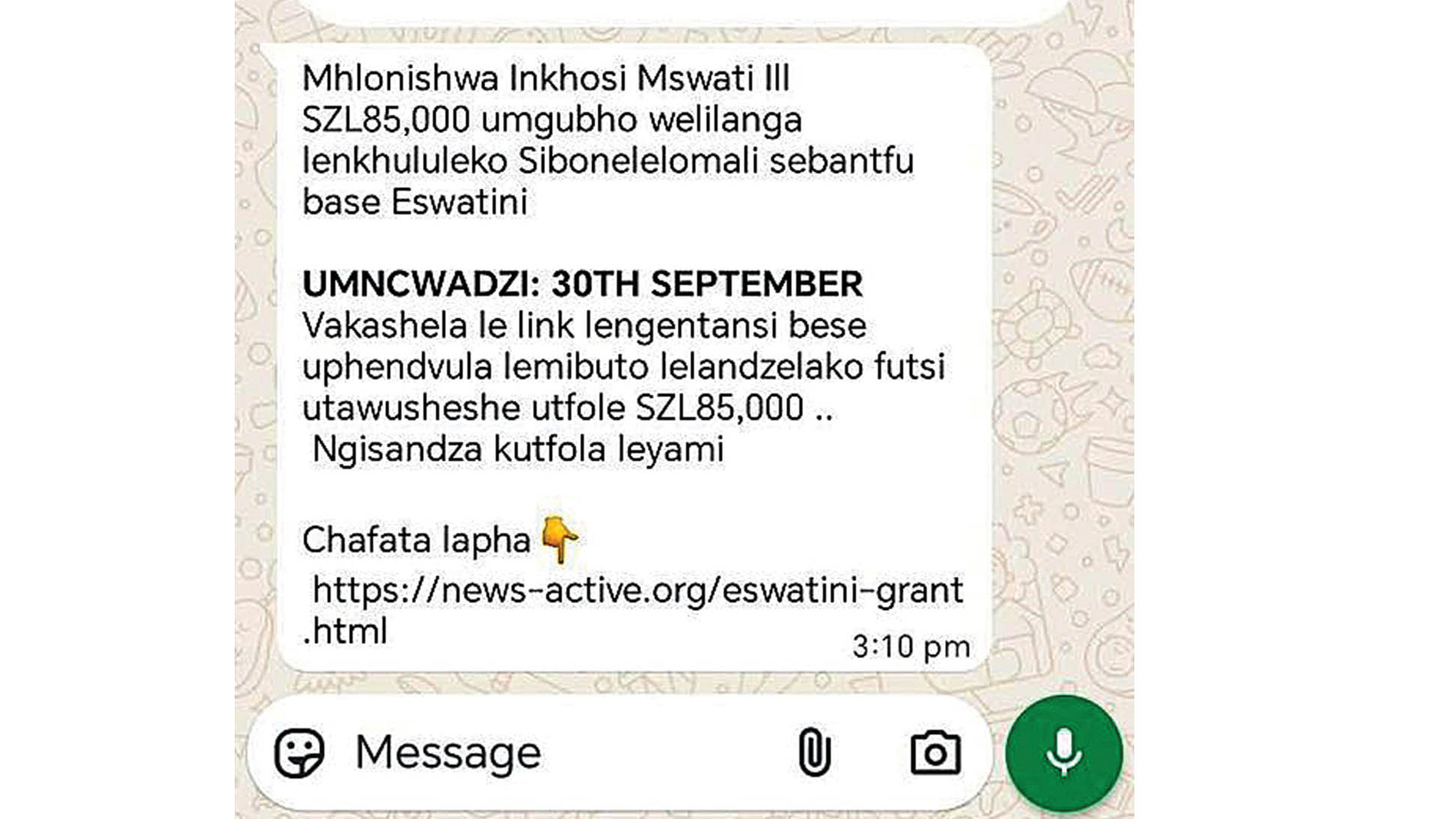
As the festive season draws closer and Black Friday fever takes over Eswatini, cyber criminals are sharpening their tricks and widening their nets. While many people look forward to specials, bonuses and shopping deals, fraudsters see an opportunity to exploit excitement, carelessness and the rush for bargains.
The rise of digital platforms, mobile money payments and online shopping has opened new windows for convenience, but it has also created fresh avenues for scams that are becoming more sophisticated every year. One of the most common threats is fake online stores, especially those advertising unbelievable Black Friday discounts.
Unsuspecting shoppers click, purchase and wait for deliveries that never arrive. These sites often look professional, complete with logos, product images and checkout pages. Some even run paid adverts on social media to appear legitimate.
Another growing scam is SIM swapping. Fraudsters gather your personal details through phishing messages or calls, then impersonate you to your mobile service provider.
Once they get control of your number, they access your mobile money accounts, banking apps and verification messages before you even realise what has happened.
People are also falling victim to parcel delivery scams, where fraudsters send SMS messages claiming a package is awaiting customs clearance or additional payment. In the festive chaos, many assume it is a genuine holiday parcel and click unsafe links.
QR code scams are also emerging. Fraudsters place fake QR codes at events, shops or parking areas. When scanned, these codes redirect you to malicious websites that steal data or instal harmful software.
Digital security specialists warn that fraudsters now specialise in deepfake voice calls, where artificial intelligence mimics the voice of your boss, colleague or family member asking you to urgently send money or share a password. In a moment of panic or urgency, many comply.
To protect yourself this season, consider the following tips:
- Always verify online stores before buying. Check reviews, physical addresses and contact details.
- Never share your PINs, OTPs or personal details over the phone. Legitimate institutions do not ask for them.
- If an offer looks too good to be true, it probably is. Avoid clicking links from unknown messages, especially parcel notifications.
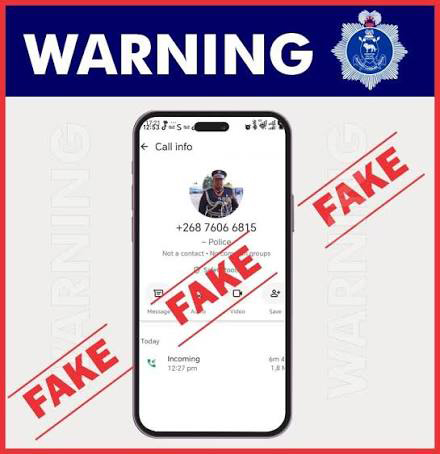
- Report suspicious numbers and block them immediately.
- Visit official websites or branches instead of relying on links sent to you.
- Enable two factor authentication on all accounts.
As Eswatini gears up for shopping, travelling and festive excitement, staying alert is your best defence. Fraudsters are working overtime, but with the right awareness, you can stay one step ahead.


















Leave a comment